

In the realm of cutting tools, diamond cutting discs have long been the go - to choice for a wide range of applications. As a supplier of Diamond Cutting Disc, I've witnessed firsthand their remarkable performance and versatility. However, in recent years, the question of whether there are alternatives to diamond cutting discs has become increasingly relevant. This blog post aims to explore this topic in depth, examining the pros and cons of diamond cutting discs and potential alternatives.
The Dominance of Diamond Cutting Discs
Diamond cutting discs are renowned for their exceptional hardness and cutting ability. Diamond is the hardest known natural material, with a Mohs hardness scale rating of 10. This property allows diamond cutting discs to effortlessly slice through tough materials such as concrete, stone, ceramics, and even some metals.
One of the key advantages of diamond cutting discs is their longevity. Compared to other cutting tools, they can maintain their sharpness for a much longer period, reducing the frequency of disc changes. This not only saves time but also cuts down on overall costs in the long run. Additionally, diamond cutting discs offer high precision cuts, which are crucial in applications where accuracy is paramount, such as in construction and tile installation.
In the construction industry, diamond cutting discs are used for tasks like cutting concrete slabs, bricks, and asphalt. In the stone fabrication industry, they are essential for shaping and sizing marble, granite, and other natural stones. Their ability to make clean and smooth cuts makes them indispensable in these sectors.
Potential Alternatives to Diamond Cutting Discs
While diamond cutting discs are highly effective, there are situations where alternatives may be more suitable. Let's explore some of these alternatives.
Abrasive Cutting Discs
Abrasive cutting discs are a common alternative to diamond cutting discs. These discs are made from abrasive materials such as aluminum oxide or silicon carbide. They are typically less expensive than diamond cutting discs, making them an attractive option for budget - conscious users.
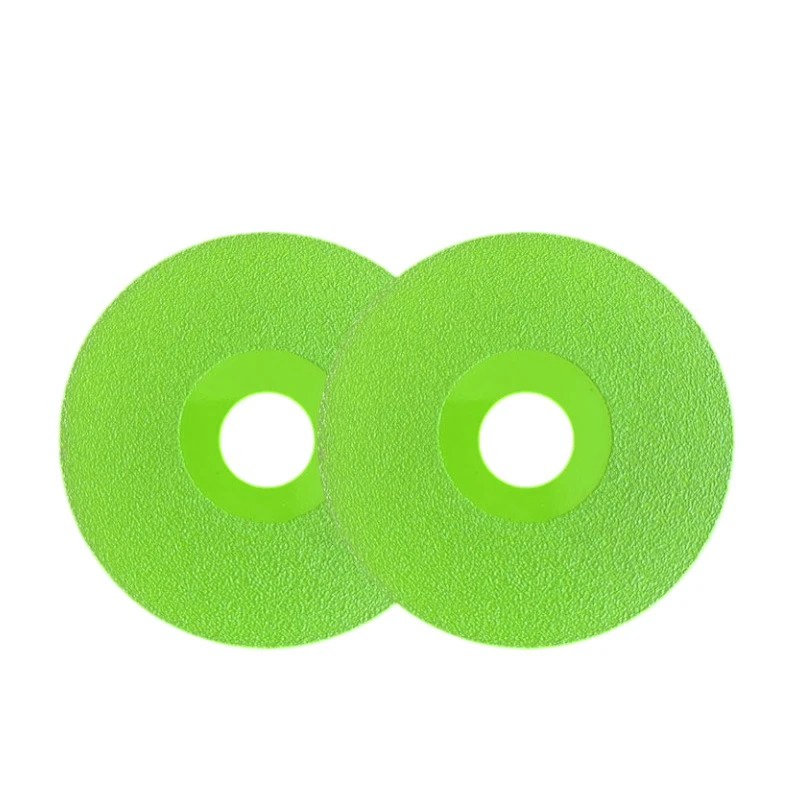

Abrasive cutting discs work well for cutting softer materials like mild steel, aluminum, and wood. They are widely used in metal fabrication shops for cutting metal bars, pipes, and sheets. However, they have limitations when it comes to cutting harder materials. Abrasive discs tend to wear out quickly when used on tough substances like concrete or granite, and they may not provide the same level of precision as diamond cutting discs.
Carbide - Tipped Cutting Discs
Carbide - tipped cutting discs are another alternative. Carbide is a compound composed of carbon and a metal, usually tungsten. These discs are known for their durability and can cut through a variety of materials, including wood, plastic, and some metals.
Carbide - tipped cutting discs are often used in woodworking and general - purpose cutting applications. They can make clean cuts and are less likely to chip or splinter the material being cut. However, similar to abrasive cutting discs, they are not as effective as diamond cutting discs when it comes to cutting extremely hard materials like stone or concrete.
Alloy&stone Cutting Disc
Alloy & stone cutting discs are designed specifically for cutting alloys and stones. These discs combine different materials to offer a balance between cutting performance and cost. They can be a good alternative to diamond cutting discs in certain applications.
These discs are capable of cutting through a range of alloys, as well as softer stones. They are often used in small - scale construction projects or DIY applications. However, they may not have the same cutting speed or precision as diamond cutting discs when dealing with large - scale or high - precision tasks.
Rail Cutting Disc
Rail cutting discs are specialized for cutting rails. While diamond cutting discs can also be used for rail cutting, rail cutting discs are designed to meet the specific requirements of this task. They are made with materials that can withstand the high - pressure and high - heat environment associated with rail cutting.
These discs are optimized for cutting through the hard and thick steel of rails. They may offer a more cost - effective solution for rail - cutting operations compared to using a general - purpose diamond cutting disc. However, their application is limited to rail - related tasks and may not be suitable for other cutting needs.
Factors to Consider When Choosing a Cutting Disc
When deciding whether to use a diamond cutting disc or an alternative, several factors need to be taken into account.
Material to be Cut
The type of material is the most important factor. As mentioned earlier, diamond cutting discs are best for hard materials like concrete and stone, while abrasive, carbide - tipped, alloy & stone, and rail cutting discs are more suitable for softer materials or specific applications.
Cost
Cost is a significant consideration. Diamond cutting discs are generally more expensive upfront, but their long lifespan can offset the initial cost. Alternatives like abrasive cutting discs are cheaper, but they may need to be replaced more frequently, which can add up over time.
Precision Requirements
If high precision is required, such as in fine stone carving or detailed metalwork, diamond cutting discs are usually the better choice. Alternatives may not be able to achieve the same level of accuracy.
Cutting Speed
Diamond cutting discs often offer faster cutting speeds when dealing with hard materials. However, for softer materials, some alternatives may provide comparable or even faster cutting speeds.
Conclusion
In conclusion, while diamond cutting discs are the preferred choice for many cutting applications due to their hardness, longevity, and precision, there are viable alternatives available. Abrasive cutting discs, carbide - tipped cutting discs, alloy & stone cutting discs, and rail cutting discs each have their own advantages and limitations.
As a supplier of diamond cutting discs, I understand that different customers have different needs. Whether you're a professional contractor working on large - scale construction projects or a DIY enthusiast tackling a home improvement task, choosing the right cutting disc is crucial.
If you're in the market for cutting discs, I encourage you to consider your specific requirements carefully. And if you're interested in learning more about our Diamond Cutting Disc products or exploring other options like Alloy&stone Cutting Disc and Rail Cutting Disc, feel free to reach out to start a procurement discussion. We're here to help you find the best cutting solution for your needs.
References
- Callister, W. D., & Rethwisch, D. G. (2014). Materials Science and Engineering: An Introduction. Wiley.
- Tooling U - SME. (n.d.). Cutting Tools Basics. Retrieved from various industrial training resources.