

As a supplier of Diamond Cutting Discs, I often encounter inquiries from customers regarding the potential risks of diamond loss from these cutting tools. Diamond cutting discs are widely used in various industries, including construction, manufacturing, and mining, due to their exceptional hardness and cutting efficiency. However, the question of diamond loss is a legitimate concern that warrants a detailed exploration.
Understanding Diamond Cutting Discs
Diamond cutting discs are composed of a metal matrix that holds synthetic diamonds. The diamonds are the key cutting elements, and their presence on the disc's edge allows it to cut through hard materials such as concrete, stone, and metals. The quality of the bond between the diamonds and the metal matrix is crucial for the performance and durability of the cutting disc.
Factors Contributing to Diamond Loss
There are several factors that can contribute to diamond loss from a cutting disc. Understanding these factors can help users take appropriate measures to minimize the risk.
1. Improper Cutting Conditions
One of the primary causes of diamond loss is improper cutting conditions. If the cutting speed is too high, the friction and heat generated can exceed the bond strength between the diamonds and the matrix, causing the diamonds to dislodge. Similarly, using the wrong cutting pressure can also lead to premature diamond loss. For example, applying excessive pressure can cause the diamonds to break or be forced out of the matrix.
2. Low - Quality Bonding
The quality of the bonding material used to hold the diamonds in place is another critical factor. A weak bond can result in the diamonds being easily detached during the cutting process. Inferior bonding materials may not be able to withstand the high - stress environment of cutting, leading to diamond loss even under normal operating conditions.
3. Wear and Tear
Over time, the constant contact between the cutting disc and the workpiece causes wear and tear. As the disc wears, the diamonds may become less securely held in the matrix. Eventually, the wear can reach a point where the diamonds start to fall out. This is a natural process, but it can be accelerated by factors such as using the disc on abrasive materials or in harsh working environments.
4. Impact and Vibration
During the cutting process, the disc may experience impacts and vibrations. These forces can be strong enough to loosen the diamonds from the matrix. For instance, if the cutting disc hits a hard object or encounters an uneven surface, the sudden shock can cause diamond loss.
Assessing the Risks
The risks of diamond loss from a cutting disc can have several implications. Firstly, it can significantly reduce the cutting efficiency of the disc. As diamonds are the cutting agents, their loss means that the disc will have a harder time cutting through materials, leading to slower cutting speeds and increased energy consumption.
Secondly, diamond loss can pose safety risks. Loose diamonds can be ejected at high speeds during the cutting process, which can cause injury to the operator or damage to surrounding equipment.
Finally, from a cost - effectiveness perspective, diamond loss means that the cutting disc has a shorter lifespan. This results in more frequent disc replacements, increasing the overall cost of operation for the user.
Mitigating the Risks
As a supplier, I understand the importance of helping customers minimize the risks of diamond loss. Here are some strategies that can be employed:
1. Selecting the Right Disc
Choosing the appropriate cutting disc for the specific application is crucial. Different cutting tasks require different types of discs with varying diamond concentrations and bond strengths. For example, when cutting hard and abrasive materials, a disc with a stronger bond and higher diamond concentration may be needed. Our company offers a wide range of Alloy&stone Cutting Disc that are designed to meet the diverse needs of different industries.
2. Proper Operation
Training operators on the correct use of the cutting disc is essential. They should be educated on the optimal cutting speed, pressure, and feed rate for the specific disc and material being cut. By following the recommended operating parameters, the risk of diamond loss can be significantly reduced.
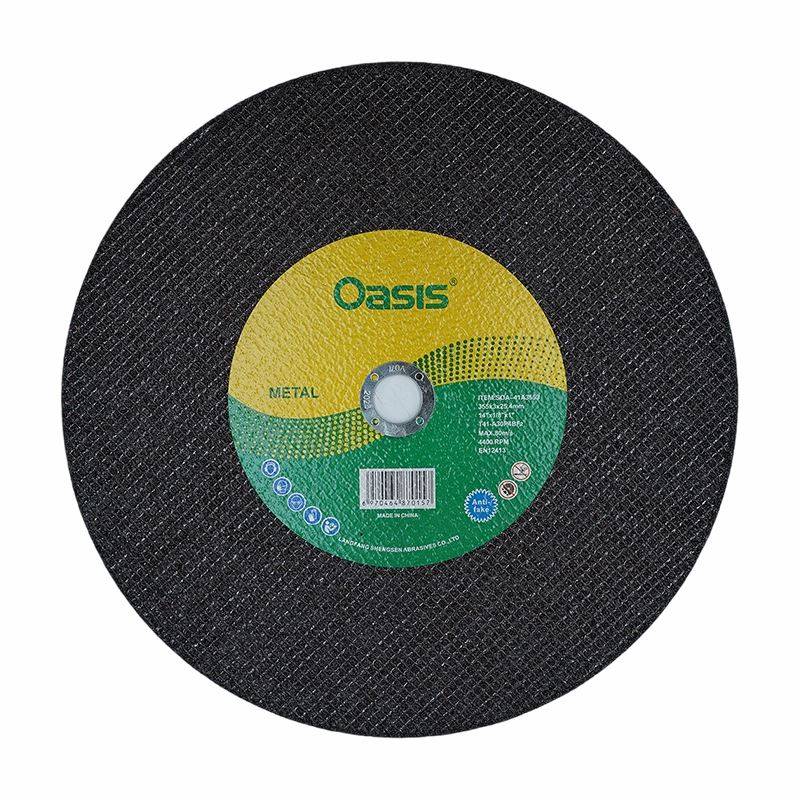

3. Regular Inspection
Regularly inspecting the cutting disc for signs of diamond loss or wear can help detect problems early. If any diamonds are found to be loose or missing, the disc should be replaced immediately to avoid further issues.
4. Quality Assurance
At our company, we ensure that all our diamond cutting discs are manufactured using high - quality materials and advanced production techniques. We conduct rigorous quality control tests to ensure that the bond strength between the diamonds and the matrix meets the highest standards. This helps to minimize the risk of diamond loss right from the start.
5. Using Compatible Equipment
Using the cutting disc with compatible equipment is also important. The machine's power, speed, and stability can all affect the performance of the disc. For example, using a disc on a machine that is not powerful enough may cause it to overheat and lead to diamond loss.
Case Studies
To illustrate the importance of addressing the risks of diamond loss, let's look at a couple of case studies.
In a construction project, a contractor was using a low - quality diamond cutting disc to cut through thick concrete slabs. Due to the weak bond between the diamonds and the matrix, a significant number of diamonds were lost during the cutting process. This not only slowed down the work but also increased the cost of disc replacements. After switching to our high - quality Rail Cutting Disc, which has a stronger bond and better diamond retention, the contractor noticed a significant improvement in cutting efficiency and a reduction in disc replacement costs.
In a manufacturing plant, a company was experiencing frequent diamond loss from their cutting discs when machining metal components. The problem was traced back to improper cutting conditions, including high cutting speeds and excessive pressure. After providing the operators with training on the correct operating parameters and supplying them with our Ceramic Corundum Cutting Disc, which is more suitable for metal cutting, the issue of diamond loss was effectively resolved.
Conclusion
In conclusion, while there are risks of diamond loss from a cutting disc, these risks can be effectively managed through proper selection, operation, and maintenance. As a supplier, we are committed to providing our customers with high - quality diamond cutting discs that minimize the risk of diamond loss. Our products are designed to offer superior performance, durability, and safety.
If you are in the market for diamond cutting discs and want to ensure that you are getting a product that is reliable and efficient, we invite you to contact us for a detailed discussion. We can help you select the right cutting disc for your specific application and provide you with all the necessary support and advice. Let's work together to achieve the best results in your cutting operations.
References
- "Cutting Tool Technology" by John A. Schey
- "Materials Science and Engineering: An Introduction" by William D. Callister Jr. and David G. Rethwisch
- Industry reports on diamond cutting disc manufacturing and usage.