

When it comes to cutting metal, one might wonder if there are different grades of cutting discs for metal. The answer is a resounding yes. As a supplier of cutting discs for metal, I've witnessed firsthand the importance of understanding these different grades. In this blog post, I'll delve into the various grades of metal cutting discs, their applications, and how they can make a significant difference in your metal - cutting tasks.
Understanding the Basics of Cutting Discs for Metal
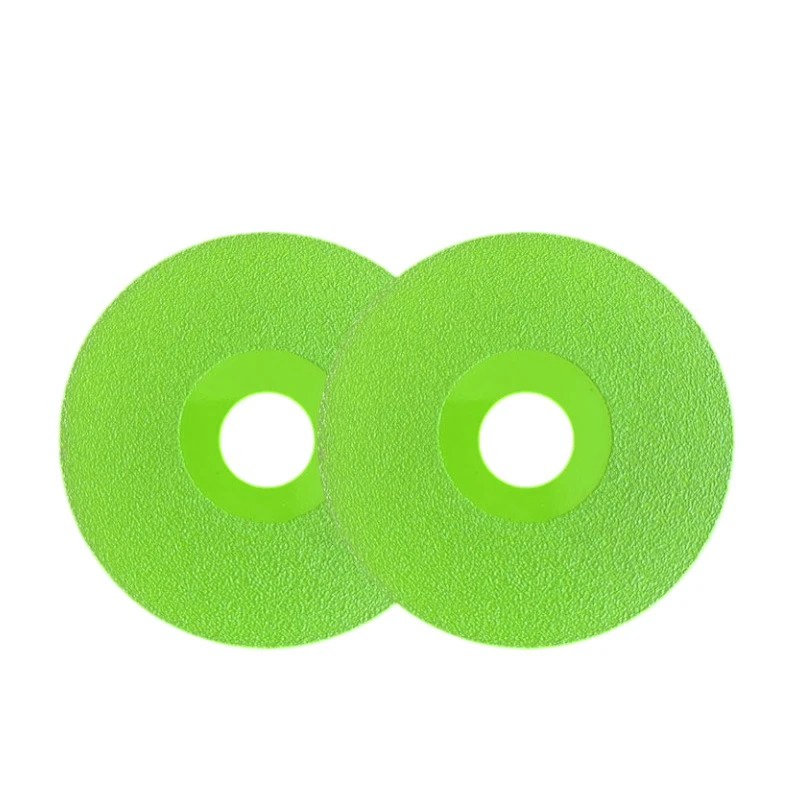
Cutting discs for metal are abrasive tools designed to cut through various types of metal. They are typically made from abrasive grains bonded together with a resin or other binding agents. The performance of a cutting disc is determined by several factors, including the type of abrasive grain, the bond strength, and the disc's thickness and diameter.
Different Grades of Cutting Discs for Metal
General - Purpose or Universal Cutting Discs
Universal cutting discs are a popular choice for many metal - cutting applications. These discs are designed to work on a wide range of metals, including mild steel, stainless steel, and aluminum. They offer a good balance between cutting speed and durability.
The abrasive grains in universal cutting discs are usually a combination of materials that can handle different metal hardness levels. For example, they might use aluminum oxide, which is a common and cost - effective abrasive. Universal cutting discs are suitable for both light - duty and medium - duty cutting tasks, such as cutting small metal pipes, bars, and sheets.
If you're looking for a versatile cutting disc that can handle various metals in your workshop, the Universal Cutting Disc is an excellent option. It can save you the hassle of having to switch between different discs for different metals.
High - Performance Cutting Discs
High - performance cutting discs are designed for more demanding metal - cutting applications. These discs are engineered to provide faster cutting speeds, longer life, and better performance on harder metals. They often use advanced abrasive materials and bonding technologies.
One type of high - performance cutting disc is the Ceramic Corundum Cutting Disc. Ceramic corundum is a very hard and sharp abrasive material. It can maintain its cutting edge for a longer time compared to traditional abrasives like aluminum oxide. This makes it ideal for cutting hard metals such as high - carbon steel and alloy steel. The Ceramic Corundum Cutting Disc can significantly reduce cutting time and increase productivity, especially in industrial settings where large - scale metal cutting is required.
Specialized Cutting Discs
There are also specialized cutting discs for specific metal - cutting needs. One of the most notable is the Diamond Cutting Disc. Diamond is the hardest known material, and diamond - based cutting discs are used for cutting extremely hard metals and materials, such as tungsten carbide and some high - strength alloys.
Diamond cutting discs are very expensive compared to other types of cutting discs, but they offer unparalleled performance in terms of cutting speed and precision when dealing with the toughest metals. If you're working on a project that involves cutting very hard and brittle metals, the Diamond Cutting Disc is the way to go.
Factors Affecting the Choice of Cutting Disc Grade
Metal Type
The type of metal you're cutting is the most crucial factor in choosing the right cutting disc grade. As mentioned earlier, softer metals like aluminum can be cut with a general - purpose disc, while harder metals like high - carbon steel require a high - performance or specialized disc.
Cutting Thickness
The thickness of the metal also plays a role. Thicker metals may require a more powerful and durable cutting disc to ensure a clean and efficient cut. For example, cutting a thick steel plate would be better done with a high - performance ceramic corundum disc rather than a universal disc.
Frequency of Use
If you're using the cutting disc frequently for industrial - scale production, investing in high - performance or specialized discs can be cost - effective in the long run. They may have a higher upfront cost but will last longer and increase productivity. On the other hand, if you're an occasional DIYer, a universal cutting disc may be sufficient for your needs.
Advantages of Using the Right Grade of Cutting Disc
Using the appropriate grade of cutting disc offers several advantages. Firstly, it ensures a clean and precise cut. A disc that is too weak for the metal being cut may result in a rough and uneven cut, while a disc that is too powerful can cause overheating and damage to the metal.
Secondly, the right cutting disc can increase efficiency. High - performance and specialized discs can cut through metal much faster, reducing the time and effort required for the job. This is especially important in industrial settings where time is money.

Finally, using the correct cutting disc can extend the lifespan of your tools. A well - matched disc puts less stress on the cutting machine, reducing wear and tear and potentially saving you money on maintenance and replacement costs.
How to Select the Best Cutting Disc for Your Needs
When selecting a cutting disc, start by identifying the type of metal you'll be cutting and its thickness. Consider your budget and how often you'll be using the disc. If you're unsure, it's always a good idea to consult with a professional or an experienced supplier like me.
It's also important to check the specifications of the cutting disc, such as its diameter, thickness, and maximum RPM (Revolutions Per Minute). Make sure these specifications are compatible with your cutting machine.
Conclusion
In conclusion, there are indeed different grades of cutting discs for metal, each designed to meet specific cutting needs. Whether you're a DIY enthusiast working on a small project at home or an industrial professional handling large - scale metal cutting tasks, understanding these different grades can help you choose the right cutting disc for the job.
As a supplier of cutting discs for metal, I'm here to assist you in making the best choice for your cutting needs. If you're interested in purchasing high - quality cutting discs, please feel free to reach out to me for more information and to discuss your requirements. We can have a detailed conversation about which cutting disc grade would be most suitable for your projects, and I can provide you with competitive pricing and excellent after - sales service.
References
- "Handbook of Abrasive Technology" by John C. Olsen
- "Cutting and Grinding of Metals" by Peter J. Argyris
- Industry reports on metal - cutting tools and technologies.