

Are there different types of stone cutting discs for different stones?
As a supplier of stone cutting discs, I often get asked the question: Are there different types of stone cutting discs for different stones? The answer is a resounding yes. Not all stones are created equal, and neither are the cutting discs used to shape and work with them. Using the right cutting disc for the right type of stone is not only crucial for achieving optimal results but also for ensuring safety and efficiency in your work.
Understanding the Basics of Stone Cutting Discs
Before we delve into the different types of cutting discs for various stones, let's first understand the basic components of a stone cutting disc. A typical stone cutting disc consists of an abrasive material bonded to a metal or fiberglass core. The abrasive material is responsible for cutting through the stone, while the core provides support and stability.
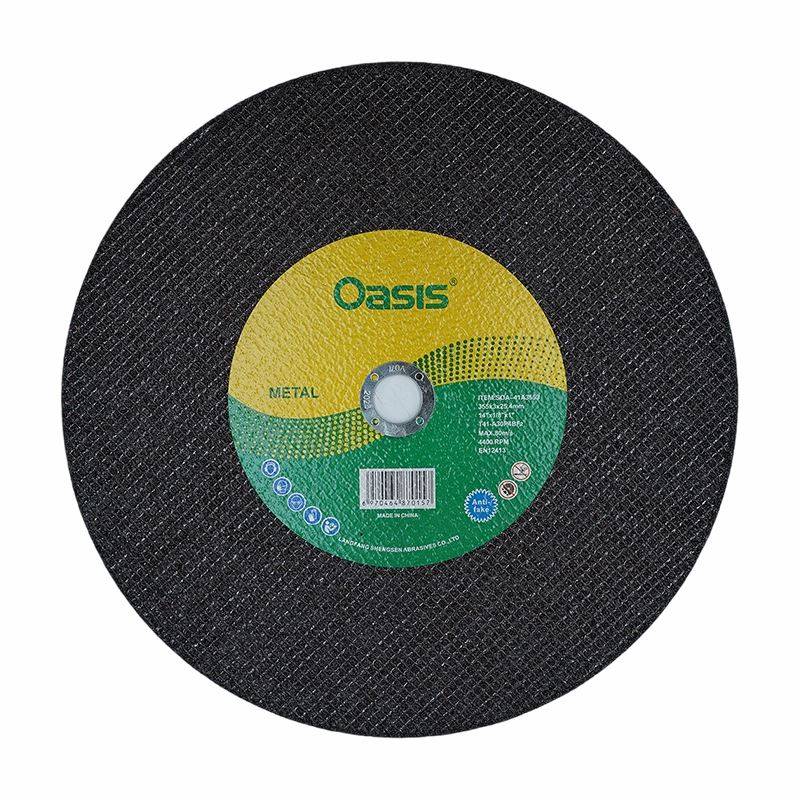

The choice of abrasive material depends on several factors, including the hardness, density, and composition of the stone. Different abrasives have different cutting properties, and selecting the appropriate one can significantly impact the cutting performance and the lifespan of the disc.
Types of Stones and Suitable Cutting Discs
Granite
Granite is a hard and dense igneous rock that is commonly used in countertops, flooring, and monuments. Due to its hardness, cutting granite requires a cutting disc with a high - quality abrasive material. Diamond - impregnated cutting discs are the most suitable for cutting granite. Diamonds are the hardest known material, and they can easily cut through the tough granite. These discs are available in different bond strengths, which determine how quickly the diamonds are released during cutting. A harder bond is suitable for softer granites, while a softer bond is better for harder granites.
Marble
Marble is a metamorphic rock that is softer and more porous than granite. It is often used in sculptures, flooring, and architectural elements. For marble cutting, a resin - bonded cutting disc with silicon carbide or aluminum oxide abrasives can be used. These abrasives are less aggressive than diamonds, which helps prevent chipping and damage to the relatively soft marble surface. The resin bond also provides a smooth cutting action, resulting in a clean and polished edge. Keep in mind that marble is more prone to staining, so it's important to use cutting discs that do not leave any residue.
Limestone
Limestone is a sedimentary rock that varies in hardness. Some limestones are relatively soft, while others can be quite hard. For softer limestones, a cutting disc with a medium - coarse grit aluminum oxide abrasive can be effective. These discs can cut through the material without causing excessive dust. For harder limestones, a diamond - tipped cutting disc may be necessary. The diamonds can penetrate the tougher parts of the limestone, providing a more efficient cutting process.
Sandstone
Sandstone is a sedimentary rock composed of sand grains cemented together. It is generally a softer stone compared to granite. A cutting disc with a silicon carbide abrasive is often a good choice for sandstone. Silicon carbide is a sharp and aggressive abrasive that can cut through the sandstone's granular structure with ease. The relatively low cost of silicon carbide - based cutting discs also makes them an economical option for working with sandstone.
Specialized Cutting Discs
Ceramic Corundum Cutting Disc
Ceramic corundum cutting discs are a specialized type of cutting disc that offers excellent performance and durability. These discs are made from ceramic corundum abrasives, which are highly resistant to wear and can maintain their cutting edge for a long time. They are suitable for cutting a variety of stones, including hard granites and some types of engineered stones. The ceramic corundum abrasives can withstand high temperatures generated during cutting, reducing the risk of disc breakdown and ensuring a consistent cutting performance.
Rail Cutting Disc
Although not strictly for natural stones, rail cutting discs are worth mentioning as they are often used in construction and industrial applications where cutting through metal - reinforced or hard - stone structures is required. These discs are designed to handle high - stress cutting situations. They are typically made with a tough abrasive material and a strong bond to ensure they can cut through rails and other hard materials without wearing out quickly. In some cases, they can also be used for cutting particularly hard and dense stones.
Alloy&stone Cutting Disc
Alloy&stone cutting discs are versatile discs that can be used for cutting both alloys and stones. They are made with a combination of abrasives that can handle the different properties of alloys and various types of stones. This makes them a convenient option for workshops or projects where both materials need to be cut. For example, if you are working on a construction project that involves installing metal brackets around stone structures, these discs can save you the hassle of switching between different cutting tools.
Factors to Consider When Choosing a Cutting Disc
Apart from the type of stone, there are several other factors to consider when choosing a stone cutting disc:
- Disc Size: The size of the cutting disc should be compatible with your cutting tool. Using an incorrect disc size can lead to poor cutting performance and even safety hazards.
- Thickness: Thicker discs are generally more durable and suitable for heavy - duty cutting, while thinner discs are better for precision cutting and achieving a finer finish.
- Speed Rating: Each cutting disc has a maximum speed rating. It's important to ensure that your cutting tool operates within this rating to prevent disc damage and ensure safe operation.
Importance of Quality Cutting Discs
Using high - quality cutting discs is essential for any stone - cutting project. Inferior discs may wear out quickly, leaving you with a less - than - perfect cut and requiring frequent disc changes. They can also pose safety risks, such as disc breakage, which can cause serious injuries. High - quality cutting discs, on the other hand, offer better cutting performance, longer lifespan, and improved safety.
Contact for Procurement
If you are in the market for stone cutting discs, whether it's for a small DIY project or a large - scale industrial operation, I encourage you to reach out. We have a wide range of cutting discs suitable for different stones and applications. Our team of experts can help you select the right disc for your specific needs. Don't hesitate to contact us to discuss your requirements and explore the options available.
References
- Smith, J. (2018). The Art of Stone Cutting. London: Stonecraft Press.
- Johnson, M. (2020). Abrasive Materials in Construction Tools. New York: Construction Tech Publishers.