

Are there grinding discs for magnesium alloys? You bet there are! As a grinding disc supplier, I've spent a fair bit of time diving into the world of different grinding solutions, and magnesium alloys are no exception.

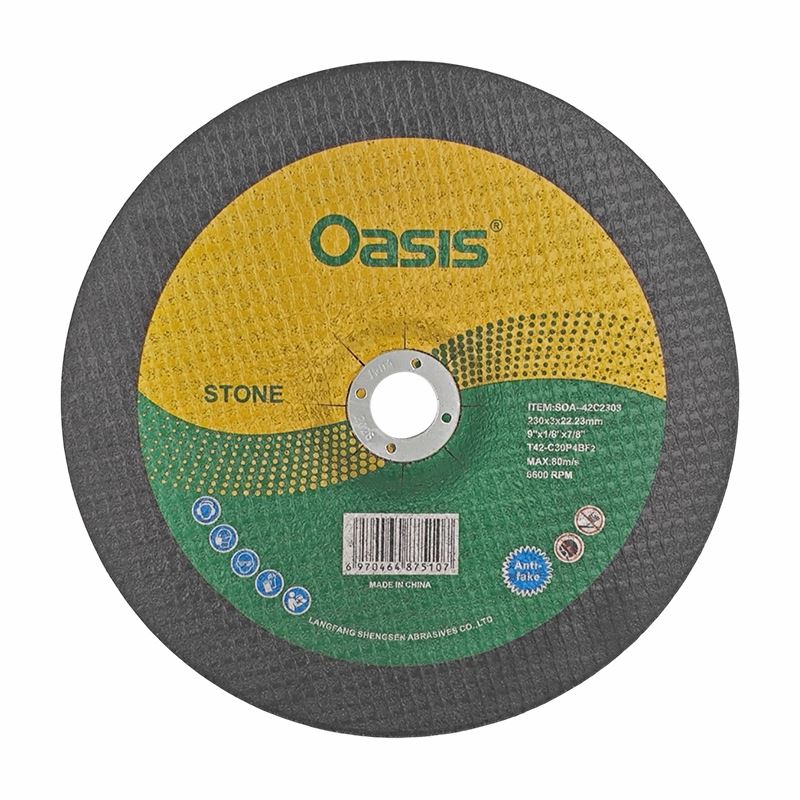
First off, let's talk about why magnesium alloys need special attention when it comes to grinding. Magnesium alloys are cool materials. They're super lightweight, which makes them perfect for applications where weight matters, like in the aerospace and automotive industries. But here's the catch - they're also quite reactive. When you're grinding magnesium alloys, there's a risk of sparks, and in some cases, even fires if you don't use the right equipment.
So, what kind of grinding discs are suitable for magnesium alloys? Well, one option is the Silicon Carbide Grinding Disc. Silicon carbide is a great abrasive material for grinding magnesium alloys. It has a high hardness and sharp cutting edges, which allows for efficient material removal. When you're using a silicon carbide grinding disc on magnesium alloys, you'll notice that it cuts through the material smoothly. The disc doesn't clog up easily either, which is a big plus. Clogging can lead to overheating, and as we know, overheating is a major no - no when dealing with magnesium alloys.
Another good choice is the Ceramic Corundum Grinding Disc. Ceramic corundum abrasives are known for their self - sharpening properties. As the disc grinds the magnesium alloy, the worn abrasive grains break off, exposing fresh, sharp edges. This ensures a consistent cutting performance throughout the grinding process. The heat generated during grinding with a ceramic corundum disc is also relatively low, which helps in preventing any potential issues like ignition of the magnesium alloy due to high temperatures.
There's also the Universal Grinding Disc. Now, as the name suggests, it's a bit of a jack - of - all - trades. Universal grinding discs work well on a variety of materials, including magnesium alloys. They offer a good balance between cutting speed and surface finish. While they might not be as specialized as the silicon carbide or ceramic corundum discs for magnesium alloys, they can definitely get the job done in a pinch.
When choosing a grinding disc for magnesium alloys, there are a few other things to keep in mind. The grit size is crucial. For rough grinding, you'll want a coarser grit size. This allows for faster material removal. But if you're looking for a smooth finish, a finer grit size is the way to go.
The bond type of the grinding disc also matters. A resin bond is commonly used for grinding magnesium alloys. Resin - bonded discs are flexible and can conform to the shape of the workpiece. They also have good heat - dissipation properties, which is important for keeping the temperature in check during grinding.
Another factor to consider is the disc's diameter and thickness. A larger diameter disc can cover more surface area in a single pass, but it might also require more power. The thickness of the disc affects its strength and flexibility. A thinner disc can be more flexible and is better suited for grinding complex shapes, while a thicker disc is stronger and can handle more aggressive grinding.
Now, I've seen some people try to use regular grinding discs on magnesium alloys without thinking about the risks. That's a big mistake. Using the wrong type of disc can lead to all sorts of problems, from poor grinding results to dangerous situations. Always make sure to use grinding discs that are specifically designed for magnesium alloys.
As a grinding disc supplier, I've worked with a lot of customers in different industries. I've seen how important it is to have the right tools for the job. Whether you're a small workshop working on custom magnesium alloy parts or a large manufacturing plant producing aerospace components, having high - quality grinding discs can make a huge difference in your productivity and the quality of your end products.
If you're in the market for grinding discs for magnesium alloys, don't hesitate to reach out for a chat. We can discuss your specific needs, the type of application you're working on, and I can recommend the best grinding disc for you. Whether it's a silicon carbide, ceramic corundum, or universal grinding disc, we've got a wide range of options to choose from.
In conclusion, yes, there are definitely grinding discs for magnesium alloys. By choosing the right type of disc and paying attention to factors like grit size, bond type, diameter, and thickness, you can ensure safe and efficient grinding of magnesium alloys. So, if you have any questions or are ready to start sourcing the right grinding discs for your magnesium alloy projects, drop me a line, and let's get the ball rolling on finding the perfect solution for you.
References
- Material Science Handbook: Deals with the properties of magnesium alloys and appropriate machining techniques.
- Abrasive Industry Journals: Provide in - depth information about different types of grinding discs and their applications.