

Can a cutting disc be used for cutting composite materials?
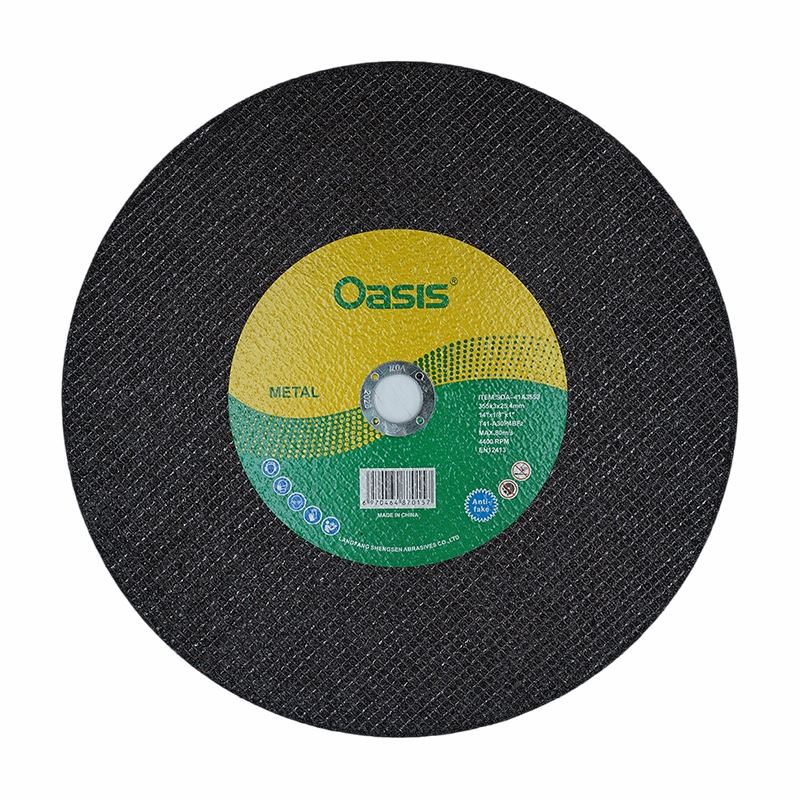
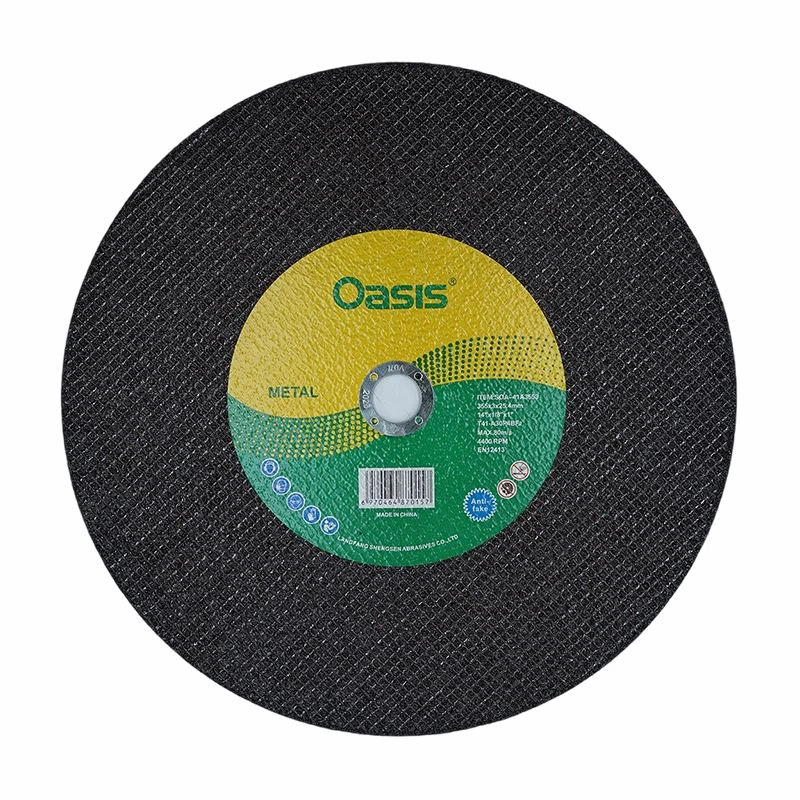
Hey there! I'm a supplier of cutting discs, and I often get asked this question: Can a cutting disc be used for cutting composite materials? Well, let's dive into this topic and find out.
First off, what are composite materials? Composite materials are made by combining two or more different materials with different properties to create a new material with enhanced characteristics. They're used in a wide range of industries, from aerospace and automotive to construction and sports equipment. Examples of composite materials include fiberglass, carbon fiber, and various polymer - matrix composites.
Now, let's talk about cutting discs. We've got different types of cutting discs in our catalog, like Alloy&stone Cutting Disc, Diamond Cutting Disc, and Rail Cutting Disc. Each type is designed for specific purposes, and we'll need to figure out if they're suitable for composite materials.
The Challenges of Cutting Composite Materials
Composite materials come with their own set of challenges when it comes to cutting. One of the main issues is delamination. Delamination occurs when the layers of the composite material start to separate during the cutting process. This can weaken the material and make the cut part unusable. Another problem is fiber pull - out. Composite materials are often reinforced with fibers like carbon or glass. If the cutting process isn't right, these fibers can be pulled out instead of being cleanly cut, leaving a rough and uneven edge.
Heat is also a concern. Many composite materials are sensitive to heat. Excessive heat generated during cutting can cause the resin matrix in the composite to melt or char, again affecting the quality of the cut.
Using Cutting Discs for Composite Materials
Let's start with the alloy&stone cutting disc. These discs are typically used for cutting metals and stones. The abrasive particles on these discs are designed to remove metal or stone material effectively. When it comes to composite materials, the aggressive nature of alloy&stone cutting discs can be a double - edged sword. On one hand, they can cut through the material relatively quickly. On the other hand, they can cause a lot of delamination and fiber pull - out because of their high cutting force. So, while it's possible to use an alloy&stone cutting disc for composite materials, it's not the best option if you're looking for a clean and precise cut.
Diamond cutting discs are a bit different. Diamonds are the hardest known material, and diamond cutting discs are great for cutting hard and brittle materials. When it comes to composites, though, it depends on the type of composite. For carbon fiber composites, diamond cutting discs can work well because they can cut through the hard carbon fibers. But they still need to be used carefully to avoid delamination. With glass fiber composites, the diamond discs can cut through the glass fibers, but there's still the risk of generating too much heat and causing problems with the resin matrix.
Rail cutting discs are designed specifically for cutting rails, which are usually made of steel. These discs are optimized for high - speed cutting of metal. Using a rail cutting disc for composite materials is generally not a good idea. The cutting action is too aggressive for composites, and it will likely cause significant damage to the material in the form of delamination, fiber pull - out, and excessive heat generation.
Tips for Using Cutting Discs on Composite Materials
If you still decide to use a cutting disc for composite materials, here are some tips to help you get better results. First, use a low - speed cutting operation. This will reduce the heat generated during cutting and minimize the risk of delamination and fiber pull - out. Second, use a proper coolant. A coolant can help dissipate heat and lubricate the cutting process, resulting in a cleaner cut. Third, choose the right cutting disc. As we mentioned earlier, diamond cutting discs may be a better option for certain composite materials compared to alloy&stone or rail cutting discs.
Conclusion
In conclusion, while it's possible to use a cutting disc for cutting composite materials, it's not always the most straightforward or ideal solution. Each type of cutting disc has its own characteristics, and depending on the type of composite material, you may face different challenges. But with the right choice of cutting disc and proper techniques, you can achieve a reasonable cut.
If you're interested in purchasing cutting discs for your specific needs, whether it's for composite materials or other applications, don't hesitate to reach out for a procurement discussion. We're always here to help you find the best cutting solution for your projects.
References
- Smith, J. (2018). Cutting Technologies for Composite Materials. Journal of Advanced Manufacturing.
- Johnson, A. (2019). The Impact of Heat on Composite Material Cutting. Materials Science Review.