

As a supplier of cutting disc inox, I often receive inquiries from customers about the suitability of our products for specific cutting tasks. One common question is whether a cutting disc inox can be used for cutting stainless - steel angles. In this blog post, I will delve into this topic, exploring the properties of cutting disc inox, the characteristics of stainless - steel angles, and the factors to consider when making this cutting decision.
Understanding Cutting Disc Inox
Cutting disc inox is a specialized type of cutting tool designed primarily for cutting stainless steel and other non - ferrous metals. These discs are engineered with abrasive grains that are capable of withstanding the high heat and wear associated with cutting through tough materials like stainless steel. The abrasive materials used in cutting disc inox are carefully selected to ensure efficient cutting and long - lasting performance.
One of the key features of cutting disc inox is its ability to resist corrosion. Stainless steel contains chromium, which forms a passive oxide layer on the surface, protecting it from rust and corrosion. A cutting disc inox is formulated to work well with this type of material without causing excessive wear or damage to the disc itself. Additionally, these discs are designed to produce clean cuts with minimal burrs, which is crucial for applications where a smooth finish is required.
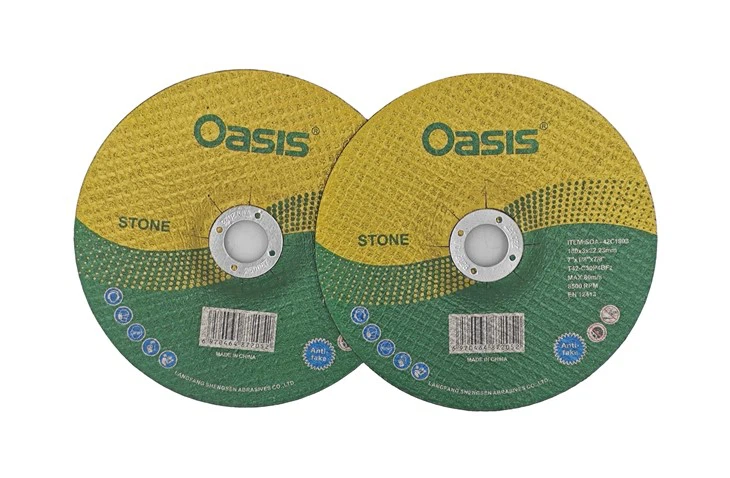
There are different types of cutting disc inox available on the market, each with its own unique properties and applications. For example, Ceramic Corundum Cutting Disc is known for its high - speed cutting ability and excellent heat resistance. These discs are suitable for heavy - duty cutting tasks and can handle large - scale projects efficiently. On the other hand, Alloy&stone Cutting Disc offers a good balance between cutting performance and cost - effectiveness. They are often used for general - purpose cutting of stainless steel and other alloys. Diamond Cutting Disc is the most expensive but also the most durable option. It is ideal for cutting extremely hard materials and can provide precise cuts with high accuracy.
Characteristics of Stainless - Steel Angles
Stainless - steel angles are structural components commonly used in construction, manufacturing, and engineering applications. They are made from stainless steel, which offers several advantages such as high strength, corrosion resistance, and aesthetic appeal. Stainless - steel angles come in various sizes and thicknesses, and their properties can vary depending on the grade of stainless steel used.
The hardness of stainless - steel angles can pose a challenge when it comes to cutting. Different grades of stainless steel have different levels of hardness, and some may be more difficult to cut than others. For example, austenitic stainless steels, which are the most common type used in angles, are relatively soft and ductile, but they can work - harden during the cutting process. This means that the material becomes harder and more difficult to cut as the cutting progresses, which can lead to increased wear on the cutting disc.
Another factor to consider is the shape of the stainless - steel angle. Angles have a corner or a bend, which can make it more challenging to achieve a clean and straight cut compared to cutting a flat piece of stainless steel. The cutting process needs to be carefully controlled to ensure that the disc does not bind or break during the cut.
Can a Cutting Disc Inox Be Used for Cutting Stainless - Steel Angles?
The short answer is yes, a cutting disc inox can be used for cutting stainless - steel angles. However, several factors need to be taken into account to ensure a successful cutting operation.
Compatibility
The first consideration is the compatibility between the cutting disc inox and the stainless - steel angle. As mentioned earlier, different types of cutting disc inox are designed for specific applications. You need to choose a disc that is suitable for the grade and thickness of the stainless - steel angle you are cutting. For example, if you are cutting a thick and hard - grade stainless - steel angle, a high - performance cutting disc such as a diamond cutting disc may be required.
Cutting Speed and Pressure
The cutting speed and pressure also play a crucial role in the cutting process. When using a cutting disc inox to cut stainless - steel angles, it is important to maintain a consistent cutting speed. Too high a speed can cause the disc to overheat and wear out quickly, while too low a speed can result in a poor - quality cut and increased work - hardening of the material. Similarly, the pressure applied during the cutting process should be carefully controlled. Excessive pressure can cause the disc to break or bind, while insufficient pressure may lead to a slow and inefficient cut.
Safety Precautions
Safety is of utmost importance when using a cutting disc inox to cut stainless - steel angles. Always wear appropriate personal protective equipment (PPE), such as safety glasses, gloves, and a face shield. Make sure the cutting machine is properly maintained and in good working condition. Follow the manufacturer's instructions for the cutting disc and the cutting machine to avoid accidents.
Tips for Cutting Stainless - Steel Angles with a Cutting Disc Inox
- Prepare the Workpiece: Before starting the cutting process, clean the surface of the stainless - steel angle to remove any dirt, grease, or debris. This will help the cutting disc to make better contact with the material and improve the cutting performance.
- Mark the Cutting Line: Use a marker or a scribe to mark the cutting line on the stainless - steel angle. This will help you to make a straight and accurate cut.
- Use a Guide: To ensure a straight cut, use a guide or a jig. This can be a straight edge or a custom - made fixture that holds the stainless - steel angle in place during the cutting process.
- Cool the Disc: During the cutting process, the cutting disc can generate a lot of heat. To prevent overheating and premature wear of the disc, you can use a coolant or a lubricant. Some cutting discs are designed to work with specific coolants, so make sure to follow the manufacturer's recommendations.
Conclusion
In conclusion, a cutting disc inox can be effectively used for cutting stainless - steel angles, provided that the right disc is selected, the cutting process is carefully controlled, and all safety precautions are taken. As a supplier of cutting disc inox, I am committed to providing high - quality products and expert advice to our customers. If you are looking for a reliable cutting solution for your stainless - steel angle cutting needs, please feel free to contact us for more information and to discuss your specific requirements. We are here to help you make the right choice and ensure a successful cutting operation.

References
- "Cutting Tools for Stainless Steel" - Industrial Metalworking Handbook
- "Stainless Steel: Properties and Applications" - Journal of Materials Science
- Manufacturer's manuals for cutting disc inox products