

Hey there! As a felt wheel supplier, I often get asked if a felt wheel can be used for engraving. It's a pretty interesting question, and I'm here to break it down for you.
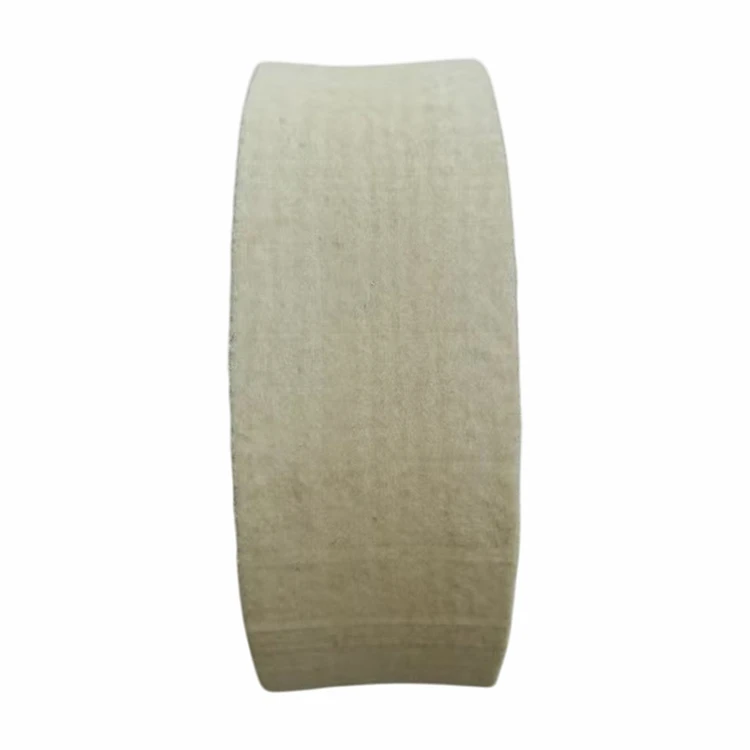
First off, let's talk a bit about what a felt wheel is. Felt wheels are made from compressed fibers, usually wool. They come in different shapes, sizes, and densities, and they're commonly used in various industries for tasks like polishing, buffing, and cleaning. But can they handle engraving?
Well, the short answer is yes, a felt wheel can be used for engraving, but it depends on a few factors. Engraving is the process of cutting or carving a design into a surface, and it typically requires a tool that can apply enough pressure and precision to make a mark. Felt wheels are more commonly associated with softer finishing tasks, but under the right conditions, they can be used for engraving.
One of the key factors is the type of material you're engraving. Felt wheels work best on softer materials like wood, plastic, and some types of metals. For example, if you're looking to engrave a design on a wooden plaque or a plastic nameplate, a felt wheel could potentially do the job. The fibers in the felt can grip the surface and, when combined with an appropriate abrasive compound, can create a controlled abrasion that etches the design.
Let's take a closer look at the different types of felt wheels we offer and how they might fare in an engraving scenario.
Pure Wool Polishing Pad
The Pure Wool Polishing Pad is a high - quality option. It's made from 100% pure wool, which gives it a soft yet durable texture. This pad is great for light engraving on softer materials. The natural fibers of the wool can hold an abrasive well, and the flexibility of the pad allows it to conform to the shape of the surface being engraved. However, for more detailed or deep engraving, you might need to pair it with a stronger abrasive and use it with a proper engraving machine.
Premium Wool Polishing Wheel
Our Premium Wool Polishing Wheel is another option. It's designed with a higher density of wool fibers, which gives it more strength and durability. This makes it suitable for slightly more demanding engraving tasks. If you're working on a harder plastic or a softer metal like aluminum, this wheel can apply more pressure and create a clearer engraving. The premium quality of the wool ensures that the wheel doesn't wear out quickly, even with repeated use.
Machinery Wool Felt Wheel
The Machinery Wool Felt Wheel is specifically engineered for use with machinery. It's built to withstand high - speed rotation and can be used for more industrial - scale engraving. This wheel has a very dense construction, which allows it to transfer more force to the surface being engraved. If you're running a business that requires large - volume engraving on materials like brass or copper, this is the wheel you'll want to consider.
Now, let's talk about the process of using a felt wheel for engraving.
The first step is to choose the right abrasive compound. There are various abrasives available, ranging from fine to coarse. For a light engraving on a soft material, a fine - grit abrasive might be sufficient. But if you're working on a harder material or need a deeper engraving, you'll need a coarser abrasive.
Once you've selected the abrasive, apply it to the felt wheel. You can do this by simply rubbing the abrasive compound onto the surface of the wheel. Make sure to spread it evenly so that the engraving is consistent.
Next, mount the felt wheel on your engraving machine. If you're using a hand - held tool, make sure it's properly secured. Then, start the machine and bring the felt wheel into contact with the material. Move the wheel slowly and steadily along the design you want to engrave. The key is to maintain a consistent pressure and speed to get a clean and precise result.
It's important to note that using a felt wheel for engraving has its limitations. For very hard materials like steel or glass, a felt wheel might not be the best choice. These materials require more powerful engraving tools like laser engravers or diamond - tipped cutters.
Also, the level of detail you can achieve with a felt wheel is somewhat limited compared to other engraving methods. If you're looking to create highly intricate designs with fine lines and small details, you might run into some challenges. But for more simple designs and larger - scale engravings, a felt wheel can be a cost - effective and accessible option.
In conclusion, a felt wheel can indeed be used for engraving, especially on softer materials and for less - detailed designs. Whether you're a hobbyist looking to add a personal touch to a project or a small business owner in need of an affordable engraving solution, our felt wheels offer a viable option.
If you're interested in trying out our felt wheels for your engraving needs, I'd love to have a chat with you. We can discuss your specific requirements, help you choose the right product, and provide any support you might need. Feel free to reach out to start the conversation about your potential purchase.

References
- "Handbook of Abrasive Technology" - A comprehensive guide on different abrasive materials and their applications.
- "Industrial Engraving Techniques" - A book that covers various engraving methods and tools in an industrial setting.