

Can a grinding disc be used on metal? This is a question that many people in the metalworking and industrial sectors often ask. As a grinding disc supplier, I am well - versed in the capabilities and limitations of different types of grinding discs when it comes to working with metal. In this blog post, I will delve into the details to provide you with a comprehensive answer.
Understanding Grinding Discs
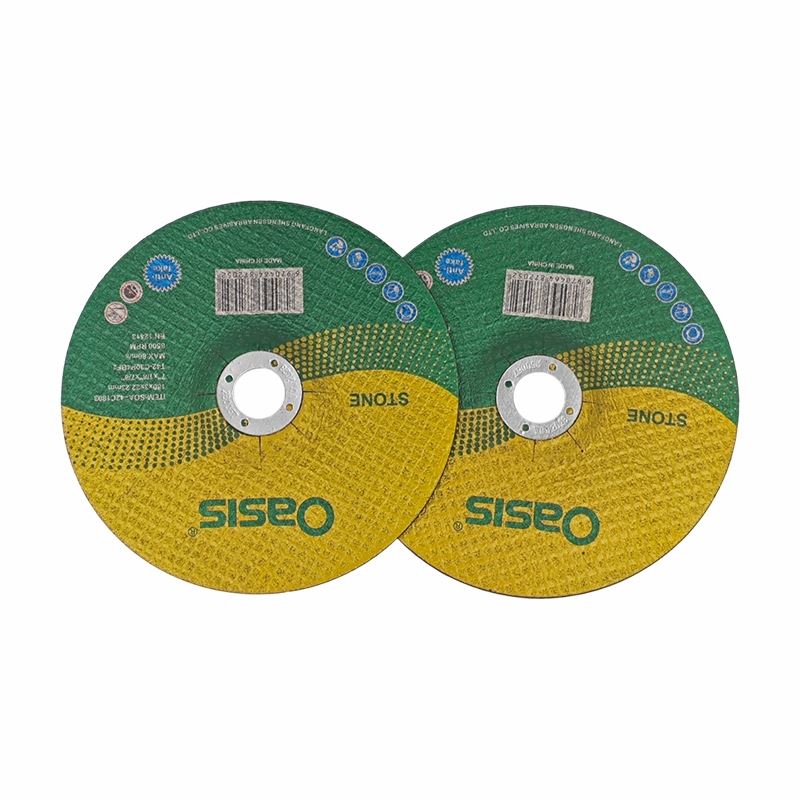
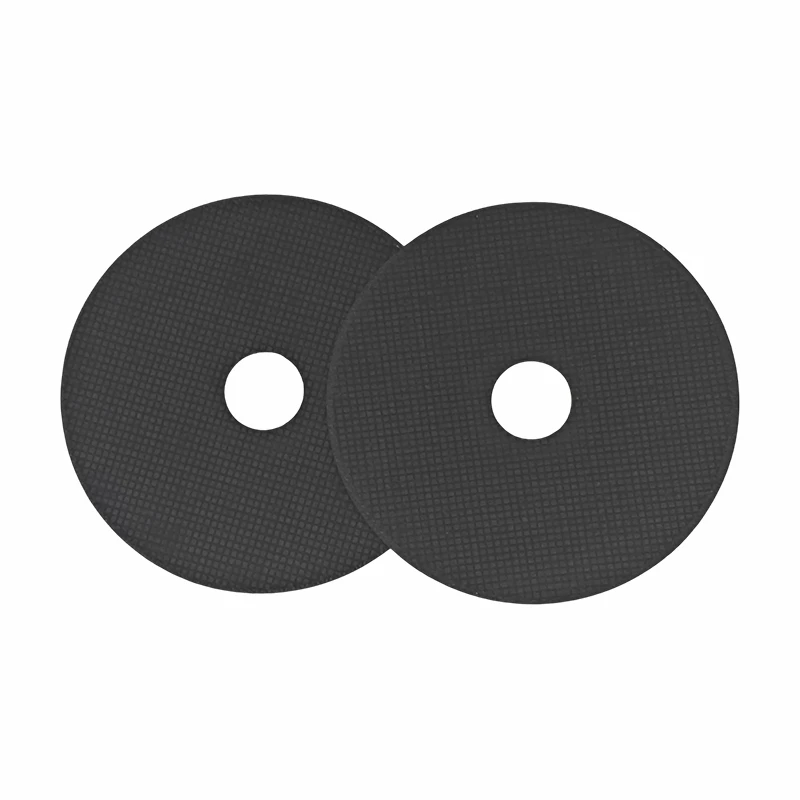
Grinding discs are abrasive tools used for various material - removal processes, such as grinding, cutting, and finishing. They come in different materials, shapes, and sizes, each designed for specific applications. The most common types of grinding discs used for metalworking include ceramic corundum, silicon carbide, and various bonded abrasives.
Ceramic Corundum Grinding Disc
The Ceramic Corundum Grinding Disc is a high - performance abrasive option for metalworking. Ceramic corundum abrasives are known for their self - sharpening properties. When used on metal, these discs can maintain a sharp cutting edge for a long time, which is crucial for efficient material removal.
One of the key advantages of using a ceramic corundum grinding disc on metal is its ability to handle high - pressure grinding. This makes it suitable for heavy - duty applications, such as grinding thick metal plates or removing large amounts of metal quickly. The ceramic corundum grains are extremely hard and can withstand high temperatures generated during the grinding process. This reduces the risk of the disc glazing over, which occurs when the abrasive particles become dull and clog with metal debris.
In addition, ceramic corundum grinding discs can provide a smooth finish on metal surfaces. This is beneficial for applications where a high - quality surface finish is required, such as in the manufacturing of precision metal parts or in the automotive industry.
Silicon Carbide Grinding Disc
Another popular option for grinding metal is the Silicon Carbide Grinding Disc. Silicon carbide is a very hard and sharp abrasive material. It is particularly effective for grinding non - ferrous metals, such as aluminum, brass, and copper.
Silicon carbide grinding discs work well on these softer metals because they can cut through the material without causing excessive heat buildup. Non - ferrous metals are more prone to heat - related damage, such as warping or melting, during the grinding process. The high heat dissipation properties of silicon carbide help to prevent these issues.
However, silicon carbide grinding discs are not as suitable for grinding ferrous metals (metals containing iron) as ceramic corundum discs. Ferrous metals are generally harder, and silicon carbide may not be as effective in removing large amounts of material quickly. The abrasive grains of silicon carbide can also wear out faster when used on ferrous metals compared to ceramic corundum.
Bonded Abrasive Grinding Discs
Bonded abrasive grinding discs are made by bonding abrasive grains together with a bonding agent. There are different types of bonding agents, such as resin, vitrified, and rubber. Each type of bonded abrasive grinding disc has its own characteristics and is suitable for different metalworking applications.
Resin - bonded grinding discs are flexible and can conform to the shape of the metal surface being ground. They are commonly used for grinding curved or irregularly shaped metal parts. Vitrified - bonded grinding discs, on the other hand, are more rigid and can provide a more precise grinding action. They are often used for precision grinding operations, such as in the tool and die industry.
Factors to Consider When Using Grinding Discs on Metal
When using a grinding disc on metal, several factors need to be considered to ensure optimal performance and safety.
Speed
The speed at which the grinding disc rotates is crucial. Different types of grinding discs have specific speed ratings, and it is important to match the disc's speed rating with the speed of the grinding machine. Using a grinding disc at a speed higher than its rated speed can cause the disc to break apart, which is extremely dangerous.
Pressure
Applying the right amount of pressure during grinding is also important. Too much pressure can cause the grinding disc to wear out quickly or overheat the metal, leading to damage. On the other hand, too little pressure may result in inefficient material removal.
Cooling
Proper cooling is essential when grinding metal. As mentioned earlier, the grinding process generates heat, and excessive heat can damage both the metal and the grinding disc. Some grinding operations may require the use of coolant to keep the temperature down. Coolants can also help to flush away metal debris from the grinding area, preventing the disc from clogging.
Applications of Grinding Discs on Metal
Grinding discs are used in a wide range of metalworking applications.
Metal Fabrication
In metal fabrication shops, grinding discs are used to cut, shape, and finish metal parts. They are used to remove excess material from welded joints, smooth rough edges, and prepare metal surfaces for painting or coating.
Automotive Industry
In the automotive industry, grinding discs are used for various tasks, such as grinding engine components, brake rotors, and body panels. They help to ensure the proper fit and finish of automotive parts.
Aerospace Industry
The aerospace industry requires high - precision metal parts. Grinding discs are used to achieve the tight tolerances and smooth surface finishes required for aerospace components, such as turbine blades and aircraft structural parts.
Safety Precautions
When using grinding discs on metal, safety should always be a top priority. Here are some safety precautions to follow:
- Wear appropriate personal protective equipment (PPE), including safety glasses, face shields, gloves, and hearing protection.
- Inspect the grinding disc before use to ensure that it is not cracked or damaged.
- Secure the grinding disc properly on the grinding machine to prevent it from coming loose during operation.
- Follow the manufacturer's instructions regarding the use of the grinding disc, including speed, pressure, and coolant requirements.
Conclusion
In conclusion, grinding discs can definitely be used on metal, but the choice of the right grinding disc depends on the type of metal, the application, and the desired outcome. Whether you need a high - performance Ceramic Corundum Grinding Disc for heavy - duty metal removal or a Silicon Carbide Grinding Disc for non - ferrous metals, we have the right solution for you.
If you are in the market for high - quality grinding discs for your metalworking needs, I encourage you to reach out to us. We are a trusted grinding disc supplier with a wide range of products to meet your specific requirements. Contact us today to discuss your needs and start a procurement negotiation. We are committed to providing you with the best products and services to help you achieve your metalworking goals.
References
- "Handbook of Abrasive Technology" by Ramesh Singh
- "Metalworking Processes and Machines" by Oberg, Jones, and Horton
- Manufacturer's technical manuals for grinding discs