

Hey there! As a supplier of metal cutting discs, I often get asked this question: Can a metal cutting disc be used on other materials besides metal? Well, let's dive right into it and find out.
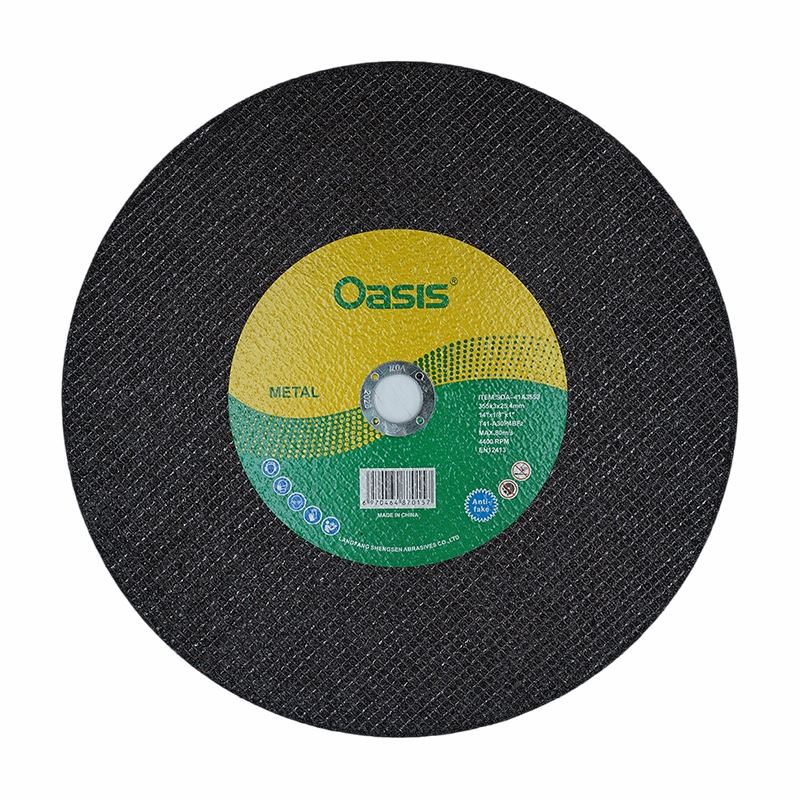
First off, let's understand what a metal cutting disc is. These discs are specifically designed to cut through various types of metals, like steel, iron, and aluminum. They're made with abrasive materials that can grind and slice through the tough metal surfaces. The most common types of abrasives used in metal cutting discs are aluminum oxide and silicon carbide. These materials are super hard and can withstand the high temperatures and pressures generated during the cutting process.
Now, onto the big question: Can they be used on other materials? The short answer is, it depends. There are some non - metal materials where a metal cutting disc might work, but there are also many where it's a big no - no.
Materials Where a Metal Cutting Disc Can Be Used
Concrete and Masonry
In some cases, a metal cutting disc can be used on concrete or masonry, but it's not the ideal tool. Metal cutting discs are generally not as efficient as Diamond Cutting Disc when it comes to cutting through these hard, brittle materials. Diamond cutting discs have actual diamond particles embedded in them, which are much better at grinding through concrete and brick. However, if you're in a pinch and don't have a diamond cutting disc on hand, a metal cutting disc can make small, rough cuts. Just keep in mind that it'll wear out the disc much faster, and the cut might not be as clean as you'd like.

Wood
You might think that a metal cutting disc could be used to cut wood, but it's really not a good idea. Wood is a soft material, and metal cutting discs are designed for hard, dense materials. Using a metal cutting disc on wood can cause a lot of problems. The disc can create a lot of heat, which can lead to the wood catching fire. Also, the abrasive nature of the disc won't give you a smooth cut on the wood. It'll likely tear and splinter the wood, ruining your project.
Materials Where a Metal Cutting Disc Should Not Be Used
Plastic
Plastic is a big no - go for metal cutting discs. Plastic melts at relatively low temperatures, and the heat generated by a metal cutting disc during the cutting process will quickly melt the plastic. This not only makes a mess but can also release harmful fumes. Additionally, the abrasive action of the disc won't cut the plastic cleanly; it'll just smear and deform it.
Glass
Glass is extremely brittle, and a metal cutting disc is too aggressive for it. The force applied by the disc can cause the glass to shatter into dangerous pieces. Specialized glass - cutting tools are designed to make precise, clean cuts on glass, and a metal cutting disc is definitely not one of them.
Universal Cutting Discs: A Compromise?
There are Universal Cutting Disc on the market that claim to be able to cut through a variety of materials, including both metal and some non - metal materials. These discs are a bit of a compromise. They're not as good as a dedicated metal cutting disc when it comes to cutting metal, and they're not as efficient as specialized discs for other materials like concrete or wood. But if you need to do a little bit of everything and don't want to carry around a bunch of different discs, a universal cutting disc can be a decent option.
Specific Applications and Safety Considerations
When it comes to specific applications, like cutting rails, you should always use a Rail Cutting Disc. These discs are designed to handle the unique properties of rails, such as their hardness and shape. Using a regular metal cutting disc might not give you the best results and could even be dangerous.
Safety is always a top priority when using any cutting disc. No matter what material you're cutting, make sure you wear the appropriate safety gear, like goggles, gloves, and a dust mask. Also, follow the manufacturer's instructions for the disc and the cutting tool. If you're using a disc on a material it's not designed for, you're increasing the risk of accidents, like the disc breaking or the material flying off.
Conclusion
So, can a metal cutting disc be used on other materials besides metal? It's possible in some cases, but it's usually not the best option. For the best results, it's always a good idea to use the right tool for the job. If you're in the market for cutting discs, whether it's for metal, concrete, or something else, we've got a wide range of high - quality options.
If you're interested in purchasing cutting discs for your projects, I'd love to have a chat with you. We can discuss your specific needs and find the perfect disc for you. Just reach out, and let's start the conversation.
References
- "Handbook of Abrasive Technology" by R. L. Jackson
- Manufacturer's guides for various cutting discs
- Industry safety standards and guidelines