

Can a Pure Wool Polishing Pad be used on PVC?
As a supplier of pure wool polishing pads, I often receive inquiries from customers about the compatibility of our products with different materials. One common question is whether a pure wool polishing pad can be used on PVC. In this blog post, I will delve into this topic, exploring the properties of both pure wool polishing pads and PVC, and providing insights on the feasibility and considerations of using a pure wool polishing pad on PVC.
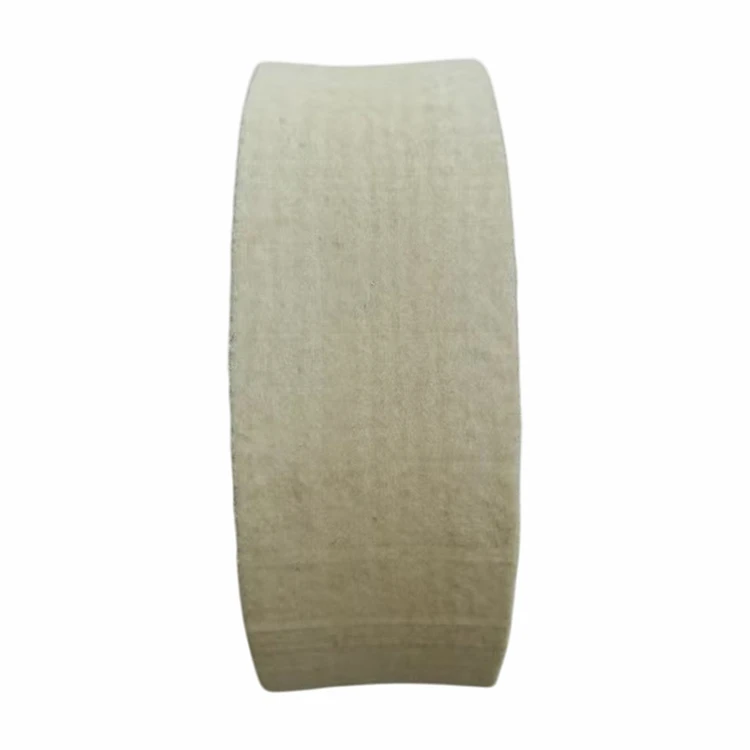
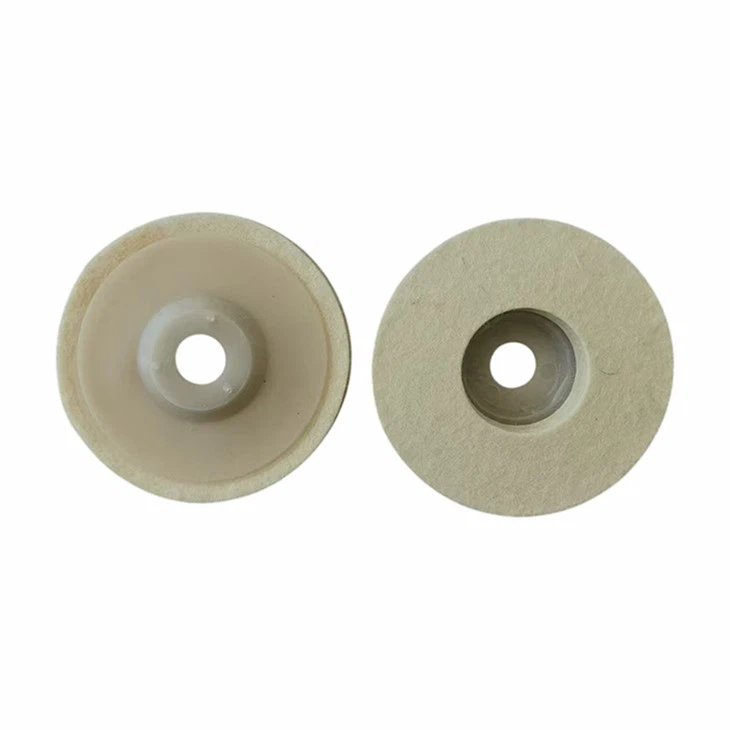
Understanding Pure Wool Polishing Pads
Pure wool polishing pads are made from high - quality wool fibers. Wool has several unique properties that make it an excellent material for polishing. Firstly, wool fibers are soft and flexible. This softness allows the pad to conform to the surface being polished, ensuring an even application of the polishing compound and reducing the risk of scratching the material.
Secondly, wool has a high absorbency. It can hold a significant amount of polishing compound, which is gradually released during the polishing process. This continuous supply of the compound helps to maintain a consistent polishing action, resulting in a smooth and shiny finish.
Moreover, wool is a natural material that is relatively durable. It can withstand the friction and wear associated with the polishing process, making it a long - lasting option for various polishing tasks. Our company offers a range of wool polishing products, including the Machinery Wool Felt Wheel, Wool Felt Wheel, and Premium Wool Polishing Wheel, all of which are crafted from pure wool and designed for different polishing requirements.
Properties of PVC
PVC, or polyvinyl chloride, is a widely used synthetic plastic polymer. It is known for its versatility, durability, and relatively low cost. PVC can be found in a variety of applications, such as pipes, flooring, window frames, and automotive interiors.
One of the key characteristics of PVC is its hardness. Depending on the formulation, PVC can range from rigid to flexible. Rigid PVC is more resistant to deformation, while flexible PVC has a certain degree of elasticity. Another important property of PVC is its surface finish. PVC surfaces can be smooth, textured, or have a matte or glossy appearance.
Feasibility of Using a Pure Wool Polishing Pad on PVC
In general, it is possible to use a pure wool polishing pad on PVC, but there are several factors to consider.
Advantages
- Gentle Polishing: The softness of the pure wool fibers means that they are less likely to cause scratches on the PVC surface compared to some abrasive polishing tools. This makes it suitable for achieving a fine finish on PVC products without damaging the material.
- Even Application of Compound: As mentioned earlier, the high absorbency of wool allows for an even distribution of the polishing compound. This can help to remove minor scratches, scuffs, and oxidation on the PVC surface, restoring its shine and appearance.
Disadvantages and Considerations
- Heat Generation: During the polishing process, friction between the wool pad and the PVC surface can generate heat. PVC has a relatively low melting point compared to some other materials. Excessive heat can cause the PVC to warp, melt, or deform. Therefore, it is crucial to control the pressure and speed during polishing to prevent overheating.
- Compatibility with Polishing Compounds: Not all polishing compounds are suitable for PVC. Some compounds may contain chemicals that can react with PVC, causing discoloration or damage to the surface. It is essential to choose a polishing compound that is specifically formulated for use on PVC.
- Surface Texture: If the PVC has a textured surface, the wool fibers may get caught in the texture, which can make the polishing process less effective and may even cause damage to the pad or the surface. In such cases, a different type of polishing tool or approach may be more appropriate.
Best Practices for Using a Pure Wool Polishing Pad on PVC
- Test on a Small Area: Before starting the full - scale polishing process, it is advisable to test the wool pad and the polishing compound on a small, inconspicuous area of the PVC surface. This will help you to determine if there are any adverse reactions, such as discoloration or deformation.
- Use the Right Polishing Compound: Select a high - quality polishing compound that is designed for PVC. Read the product instructions carefully to ensure proper application.
- Control Pressure and Speed: Apply gentle pressure during polishing and use a moderate speed. This will help to minimize heat generation and reduce the risk of damaging the PVC.
- Keep the Surface Cool: You can periodically spray the PVC surface with water or a coolant to dissipate heat during the polishing process.
- Clean the Pad Regularly: As you polish, the wool pad may accumulate dirt, debris, and used polishing compound. Clean the pad regularly to maintain its effectiveness and prevent contamination of the PVC surface.
Conclusion
In conclusion, a pure wool polishing pad can be used on PVC, but it requires careful consideration and proper techniques. When used correctly, it can help to enhance the appearance of PVC products by removing minor imperfections and restoring their shine. As a supplier of pure wool polishing pads, we are committed to providing high - quality products and sharing our expertise to help our customers achieve the best results.
If you are interested in purchasing our pure wool polishing pads or have any questions about using them on PVC or other materials, we encourage you to contact us for a detailed discussion. We look forward to working with you and meeting your polishing needs.
References
- "Polishing Techniques for Synthetic Materials", Industrial Polishing Handbook, 2020 Edition
- "Properties and Applications of PVC", Polymer Science Journal, Vol. 15, Issue 3, 2019