

As a supplier of stone cutting discs, I often receive various inquiries from customers. One question that has come up frequently is whether a stone cutting disc can be used for underwater cutting. In this blog post, I'll delve into this topic, exploring the technical aspects, feasibility, and potential applications of using stone cutting discs underwater.
Understanding Stone Cutting Discs
Before we discuss underwater cutting, let's first understand what stone cutting discs are. Stone cutting discs are abrasive tools designed to cut through different types of stones, such as granite, marble, and limestone. They are typically made of a combination of abrasive materials and a bonding agent. The abrasive materials, like diamond, ceramic corundum, etc., provide the cutting edge, while the bonding agent holds these materials together in a disc - shaped structure.

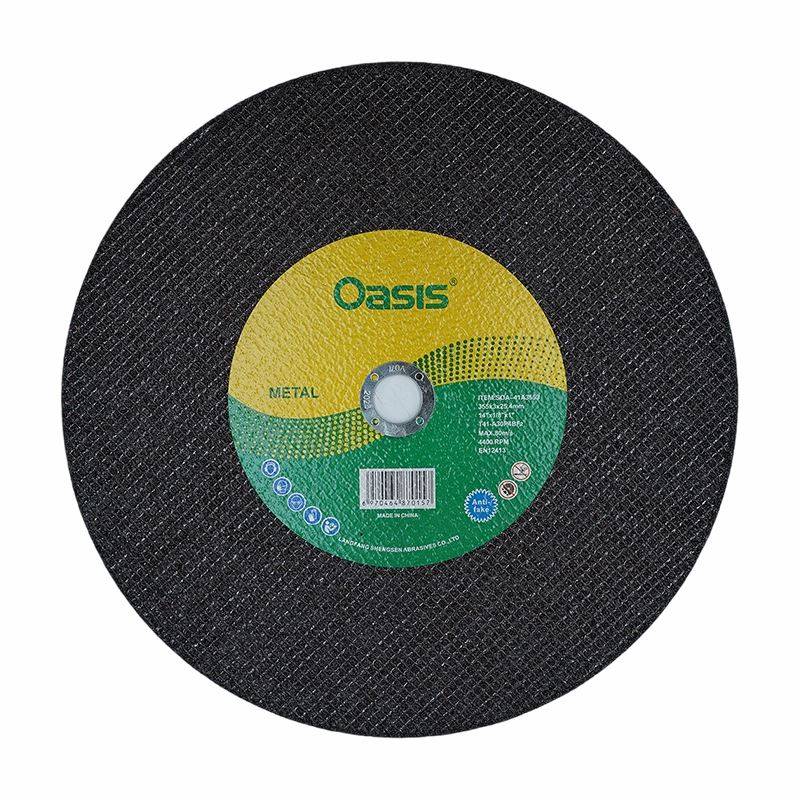
There are different types of stone cutting discs available in the market, each with its own unique features and applications. For instance, the Ceramic Corundum Cutting Disc is known for its high - speed cutting and long - lasting performance. It can withstand high temperatures and is suitable for cutting hard stones. On the other hand, the Rail Cutting Disc is specifically designed for cutting rails but can also be used for some types of stone cutting due to its strong cutting ability. And the Diamond Cutting Disc is the most powerful one, capable of cutting through extremely hard stones and other tough materials.
The Concept of Underwater Cutting
Underwater cutting is a specialized technique used in various industries, such as marine construction, salvage operations, and underwater maintenance. The main challenges of underwater cutting include the presence of water, which can affect the cutting process in multiple ways. Water can cool the cutting tool rapidly, change the friction between the tool and the material being cut, and also create a different environment for the abrasive particles to work.
Feasibility of Using Stone Cutting Discs Underwater
Advantages
- Cooling Effect: One of the significant advantages of underwater cutting with a stone cutting disc is the natural cooling provided by the water. During normal dry cutting, the friction between the cutting disc and the stone generates a large amount of heat, which can cause the disc to wear out quickly and may also damage the stone surface. In an underwater environment, the water continuously cools the cutting disc, reducing the temperature and potentially extending the lifespan of the disc.
- Dust Suppression: Cutting stones on land often produces a significant amount of dust, which is harmful to the environment and the health of the operators. Underwater cutting eliminates this problem as the water traps the dust particles, preventing them from being released into the air.
Challenges
- Reduced Cutting Efficiency: The presence of water increases the resistance between the cutting disc and the stone. The water creates a cushioning effect, which can make it more difficult for the abrasive particles on the disc to penetrate the stone surface. As a result, the cutting speed may be slower compared to dry cutting.
- Corrosion and Rust: Some components of the stone cutting disc, especially the metal parts in the bonding agent or the core of the disc, may be prone to corrosion and rust when exposed to water for an extended period. This can weaken the structure of the disc and affect its performance.
Technical Considerations
To use a stone cutting disc underwater effectively, several technical factors need to be considered:
Disc Design
The design of the cutting disc needs to be optimized for underwater use. For example, the abrasive particles should be firmly bonded to the disc to prevent them from being washed away by the water. The shape of the disc may also need to be adjusted to reduce the resistance caused by the water flow.
Power Supply
Underwater cutting requires a reliable power supply. Specialized underwater cutting equipment is usually used, which can provide sufficient power to overcome the increased resistance during cutting. The electrical components need to be well - insulated to prevent short - circuits in the water.
Operator Training
Operators need to be trained specifically for underwater cutting. They need to understand the unique characteristics of underwater cutting, such as how to control the cutting speed and pressure in the water environment.
Potential Applications
- Marine Construction: In marine construction projects, such as building breakwaters or installing underwater structures, stone cutting discs can be used to cut stones for shaping and fitting. Underwater cutting allows for more precise work in these complex marine environments.
- Underwater Salvage: When salvaging sunken ships or other underwater objects, stone cutting discs can be used to cut through stone - like materials or structures that may be blocking the salvage operation.
- Underwater Maintenance: For underwater pipelines or other infrastructure made of stone or stone - like materials, stone cutting discs can be used for repair and maintenance work.
Case Studies
Although there is limited public information on using stone cutting discs underwater, some small - scale experiments and projects have shown promising results. In a marine construction project in a coastal area, a team used a modified diamond cutting disc for underwater cutting of granite blocks. They found that with proper equipment and operator training, the disc was able to cut through the granite at a reasonable speed, and the cooling effect of the water significantly extended the lifespan of the disc.
Conclusion
In conclusion, it is possible to use a stone cutting disc for underwater cutting, but it comes with both advantages and challenges. The cooling effect and dust suppression are significant benefits, but the reduced cutting efficiency and the risk of corrosion need to be addressed. With proper disc design, suitable equipment, and well - trained operators, stone cutting discs can be a viable option for underwater cutting in various industries.
If you are interested in exploring the use of stone cutting discs for underwater applications or have any other cutting - related needs, I encourage you to reach out for a procurement discussion. We can work together to find the most suitable cutting solutions for your specific projects.
References
- "Handbook of Abrasive Technology" - This comprehensive handbook provides in - depth knowledge on abrasive tools, including stone cutting discs.
- "Underwater Engineering: Principles and Practice" - A valuable resource for understanding the principles and techniques of underwater operations, including cutting.
- Industry research reports on stone cutting and underwater cutting technologies.