

As a supplier of Universal Grinding Discs, I often receive inquiries from customers about the suitability of our products in various working conditions, especially high - temperature environments. This blog aims to provide a comprehensive analysis of whether a Universal Grinding Disc can be used in high - temperature situations.
Understanding Universal Grinding Discs
Universal Grinding Discs are designed to be versatile tools that can be used for a wide range of grinding tasks on different materials such as metals, stones, and ceramics. They are typically composed of abrasive grains bonded together by a matrix material. The abrasive grains are responsible for the cutting action, while the bond holds the grains in place during the grinding process.
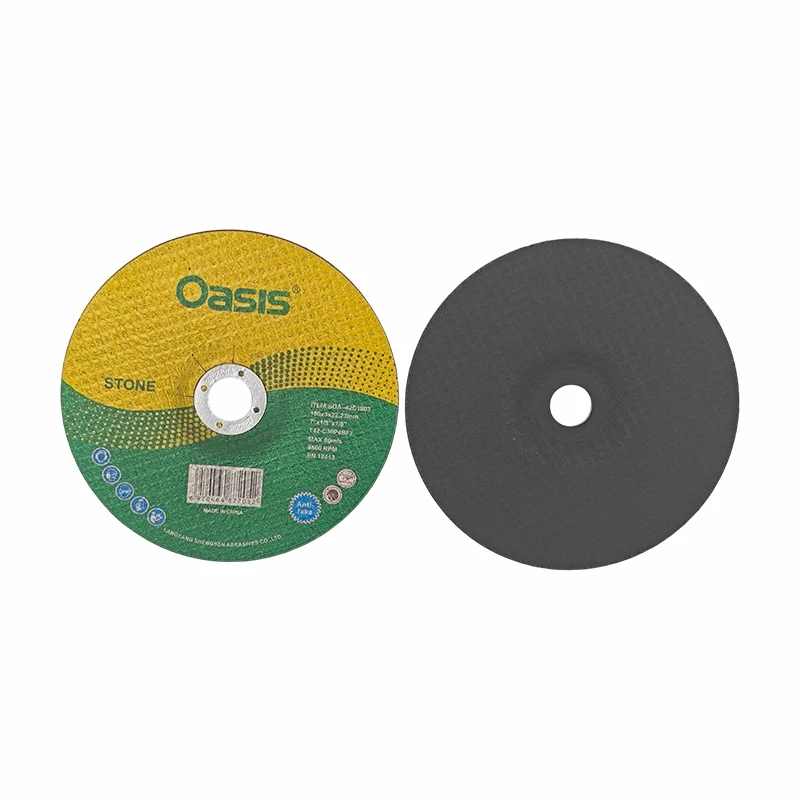
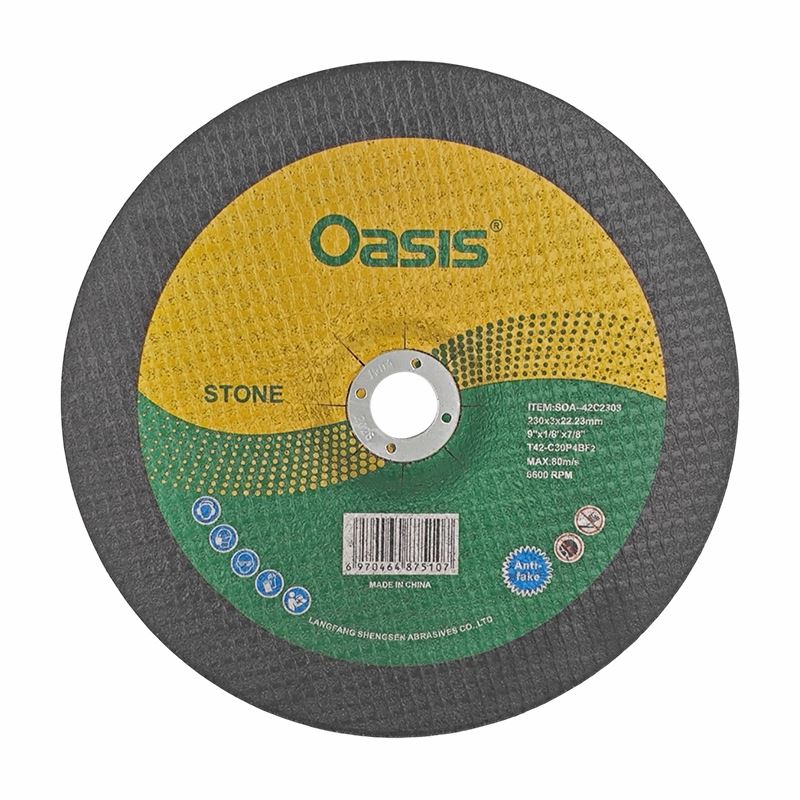
There are different types of abrasive grains used in Universal Grinding Discs, including aluminum oxide, silicon carbide, and ceramic abrasives. Each type has its own unique properties that determine its performance in different applications. For example, Silicon Carbide Grinding Disc is known for its high hardness and sharpness, making it suitable for grinding hard and brittle materials like ceramics and glass.
High - Temperature Environments and Their Impact on Grinding Discs
High - temperature environments can pose significant challenges to the performance and durability of grinding discs. When a grinding disc is used in such conditions, several factors come into play:
1. Thermal Expansion
All materials expand when heated. In a grinding disc, the abrasive grains and the bond material may have different coefficients of thermal expansion. This difference can lead to internal stresses within the disc as it heats up during grinding. If these stresses become too large, they can cause the bond to break, resulting in the premature loss of abrasive grains and a reduction in the disc's cutting ability.
2. Chemical Reactions
High temperatures can also trigger chemical reactions between the abrasive grains, the bond material, and the workpiece. For example, some abrasive grains may react with oxygen in the air at high temperatures, forming oxides that can reduce the hardness and cutting efficiency of the grains. Additionally, the bond material may decompose or undergo chemical changes, weakening its ability to hold the abrasive grains in place.
3. Softening of the Bond
The bond material in a grinding disc is designed to have a certain level of hardness and strength. However, at high temperatures, the bond may soften, losing its ability to keep the abrasive grains firmly in place. This can lead to excessive wear of the disc and a decrease in its grinding performance.
Can Universal Grinding Discs Be Used in High - Temperature Environments?
The answer is not a simple yes or no. It depends on several factors, including the type of abrasive grains, the bond material, and the specific high - temperature conditions.
Suitable Abrasive Grains for High - Temperature Use
- Ceramic Abrasives: Ceramic abrasives are known for their excellent heat resistance. They can maintain their hardness and cutting ability at high temperatures, making them a good choice for high - temperature grinding applications. For example, Ceramic Straight Wheels made with ceramic abrasives can be used for precision grinding in high - temperature environments.
- Silicon Carbide: As mentioned earlier, silicon carbide is a hard and sharp abrasive. It also has relatively good heat resistance, especially when compared to some other abrasive materials. Silicon carbide grinding discs can be used in high - temperature applications where the workpiece is a hard and brittle material.
Bond Materials for High - Temperature Resistance
- Resin Bonds: Resin - bonded grinding discs are commonly used in general - purpose grinding. However, they have limited heat resistance. At high temperatures, the resin bond may soften and break down.
- Vitrified Bonds: Vitrified bonds are made from glass - like materials and have excellent heat resistance. They can withstand high temperatures without significant softening or decomposition. Vitrified - bonded Universal Grinding Discs are often a better choice for high - temperature applications.
Case Studies and Practical Applications
Let's look at some real - world examples to illustrate the use of Universal Grinding Discs in high - temperature environments.
Metal Grinding in Foundries
In foundries, metal parts are often very hot when they are being ground. Universal Grinding Discs with ceramic abrasives and vitrified bonds have been successfully used in these applications. The ceramic abrasives can maintain their cutting ability at high temperatures, while the vitrified bond provides the necessary strength and heat resistance. For instance, Fish Scale Shaped Metal Grinding Disc with appropriate abrasive and bond combinations can be used to grind hot metal castings efficiently.
Stone and Ceramic Grinding in Kilns
When grinding stones or ceramics in kilns, high temperatures are present. Silicon carbide grinding discs are a popular choice in this scenario. Their high hardness and heat resistance allow them to effectively grind these hard and brittle materials even in high - temperature conditions.
Tips for Using Universal Grinding Discs in High - Temperature Environments
If you plan to use Universal Grinding Discs in high - temperature environments, here are some tips to ensure optimal performance:
- Select the Right Disc: Choose a disc with the appropriate abrasive grains and bond material for the specific high - temperature application. Consider factors such as the workpiece material, the grinding speed, and the expected temperature range.
- Control the Grinding Parameters: Adjust the grinding speed, feed rate, and pressure to minimize heat generation. Excessive grinding pressure can increase the heat generated during the process, which can be detrimental to the disc.
- Use Cooling Methods: Whenever possible, use cooling methods such as coolant or air cooling to reduce the temperature of the grinding disc and the workpiece. This can help prevent thermal damage to the disc and improve its performance and lifespan.
Conclusion
In conclusion, while using Universal Grinding Discs in high - temperature environments can be challenging, it is possible with the right selection of abrasive grains and bond materials. By understanding the effects of high temperatures on grinding discs and following the appropriate guidelines, you can achieve efficient and effective grinding results.
If you are interested in purchasing Universal Grinding Discs for high - temperature applications or have any questions about our products, please feel free to contact us. We are committed to providing you with the best grinding solutions tailored to your specific needs.
References
- "Grinding Technology: Theory and Applications of Machining with Abrasives" by Stephen Malkin
- "Handbook of Abrasive Technology" edited by Philip A. Bertrand