

Hey there! As a supplier of Wool Felt Wheels, I often get asked, "Can a wool felt wheel be used for buffing?" Well, let's dive right into this topic and find out.
First off, let's understand what buffing is. Buffing is a finishing process used to smooth a surface and give it a shiny, polished look. It's commonly used on metals, plastics, and even some types of wood. The goal is to remove minor imperfections and create a uniform, reflective surface.
Now, let's talk about wool felt wheels. Wool felt is made from natural wool fibers that are compressed and matted together. This creates a dense, durable material that has some unique properties. One of the key features of wool felt is its ability to hold and distribute polishing compounds effectively.
When it comes to using a wool felt wheel for buffing, there are several advantages. For starters, wool is a soft material, which means it won't scratch or damage the surface you're working on. This is especially important when dealing with delicate or high - value items. Whether you're buffing a piece of jewelry or a precision metal part, a wool felt wheel can provide a gentle yet effective polishing action.
Another great thing about wool felt wheels is their absorbency. They can soak up a significant amount of polishing compound, which allows for a more consistent and long - lasting buffing process. You don't have to keep stopping to reapply the compound as often, which can save you time and effort.
Let's take a closer look at some of the different types of wool felt wheels available. We have the Pure Wool Polishing Pad. These pads are made from 100% pure wool and are ideal for fine - finishing and high - gloss buffing. They're often used in the jewelry and watch - making industries, where a flawless finish is essential.
Then there's the classic Wool Felt Wheel. This is a versatile option that can be used for a wide range of buffing applications. It comes in various sizes and densities, so you can choose the one that best suits your needs. Whether you're working on a small DIY project or a large industrial job, a wool felt wheel can get the job done.
For more heavy - duty applications, we have the Machinery Wool Felt Wheel. These wheels are designed to withstand the rigors of continuous use in a machinery environment. They're thicker and more durable than standard wool felt wheels, making them perfect for buffing large metal components or industrial parts.

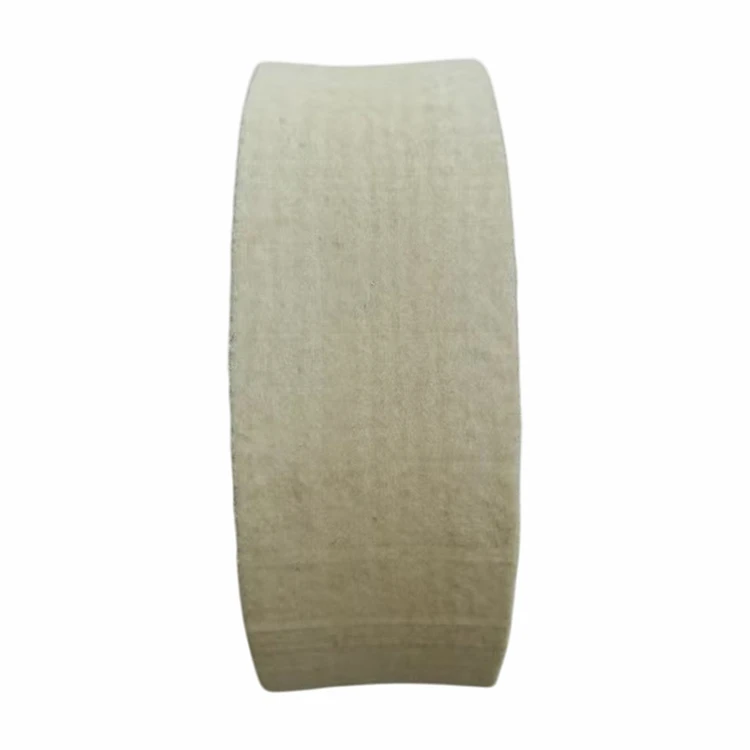
Now, let's talk about how to use a wool felt wheel for buffing. First, you'll need to choose the right polishing compound. There are different types of compounds available, depending on the material you're buffing and the level of finish you want to achieve. For example, if you're buffing stainless steel, you might want to use a compound that's specifically formulated for that material.
Once you've selected your compound, apply a small amount to the wool felt wheel. You can do this by simply rubbing the compound onto the wheel's surface. Make sure to spread it evenly to ensure a consistent buffing action.
Next, attach the wool felt wheel to your buffing machine. Most buffing machines have a chuck or a spindle where you can mount the wheel securely. Make sure the wheel is properly centered and tightened before you start the machine.
Now, it's time to start buffing. Hold the workpiece firmly against the rotating wool felt wheel, applying gentle pressure. Move the workpiece slowly and evenly across the wheel's surface to avoid creating uneven spots or scratches. As you buff, you'll notice that the surface starts to become smoother and shinier.
Keep an eye on the wheel and the compound. If the wheel starts to look dry or the compound isn't working as effectively, you can reapply a small amount of compound. Also, make sure to clean the wheel regularly to remove any debris or buildup that might affect its performance.
Of course, like any tool, there are some limitations to using a wool felt wheel for buffing. For example, if you're dealing with extremely rough or pitted surfaces, a wool felt wheel might not be the best choice. In these cases, you might need to use a more aggressive grinding or sanding process first to smooth out the surface before using a wool felt wheel for finishing.
Another thing to keep in mind is that wool felt wheels can wear out over time, especially if they're used frequently. You'll need to replace them periodically to ensure consistent buffing results.
In conclusion, a wool felt wheel can definitely be used for buffing, and it offers many advantages over other types of buffing tools. Whether you're a professional polisher or a DIY enthusiast, a wool felt wheel can help you achieve a high - quality, polished finish on a variety of materials.
If you're interested in purchasing wool felt wheels for your buffing needs, I'd love to hear from you. We offer a wide range of high - quality wool felt wheels at competitive prices. Contact us to discuss your specific requirements and start the procurement process. We're here to help you find the perfect solution for your buffing projects.
References
- "The Art of Metal Polishing" by John Smith
- "Wool Felt in Industrial Applications" by Mary Johnson
- Various industry - specific manuals and guides on buffing and polishing techniques