

Can a wool felt wheel be used for sanding? This is a question that many DIY enthusiasts, craftsmen, and industrial workers often ponder. As a long - time supplier of Wool Felt Wheel, I'm here to delve deep into this topic and provide you with comprehensive insights.
Understanding Wool Felt Wheels
Before we discuss whether wool felt wheels can be used for sanding, it's essential to understand what they are. Wool felt wheels are made from compressed wool fibers. The process of making felt involves matting, condensing, and pressing the wool fibers together. This results in a dense, resilient material with unique properties.
Wool, as a natural fiber, has several inherent advantages. It is soft yet durable, heat - resistant, and has good absorbency. These properties make wool felt wheels suitable for a variety of applications, primarily in the finishing and polishing processes. For example, in the jewelry industry, Pure Wool Polishing Pad is widely used to give precious metals a high - shine finish. In the woodworking field, they can be used to polish wooden surfaces to a smooth and lustrous state.
The Nature of Sanding
Sanding is a process that involves using an abrasive material to smooth a surface, remove material, or prepare it for further treatment. Abrasive materials typically have hard particles that can cut into the surface being sanded. The key characteristics of sanding are material removal and surface roughness modification. For instance, when sanding a wooden plank, the goal might be to remove rough spots, level the surface, or create a specific texture.
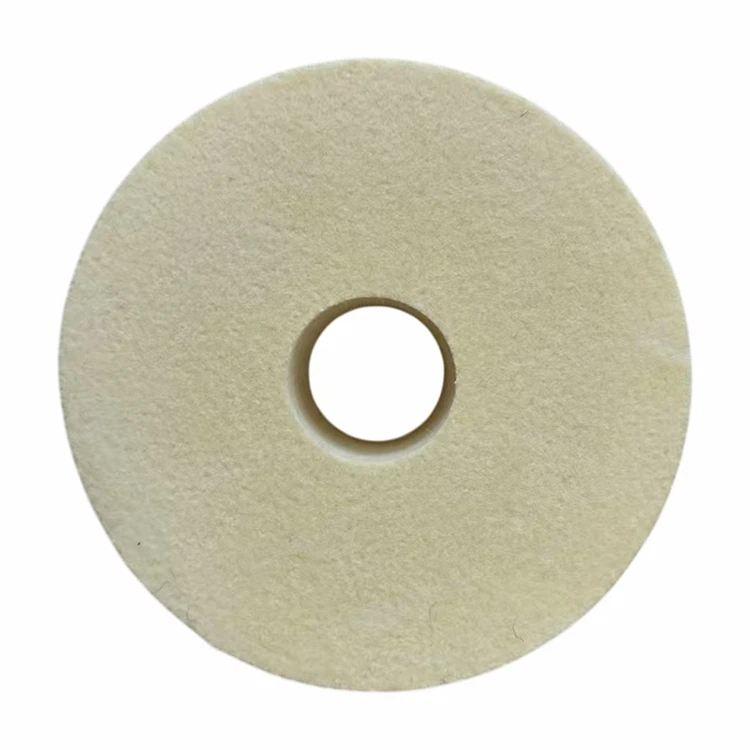
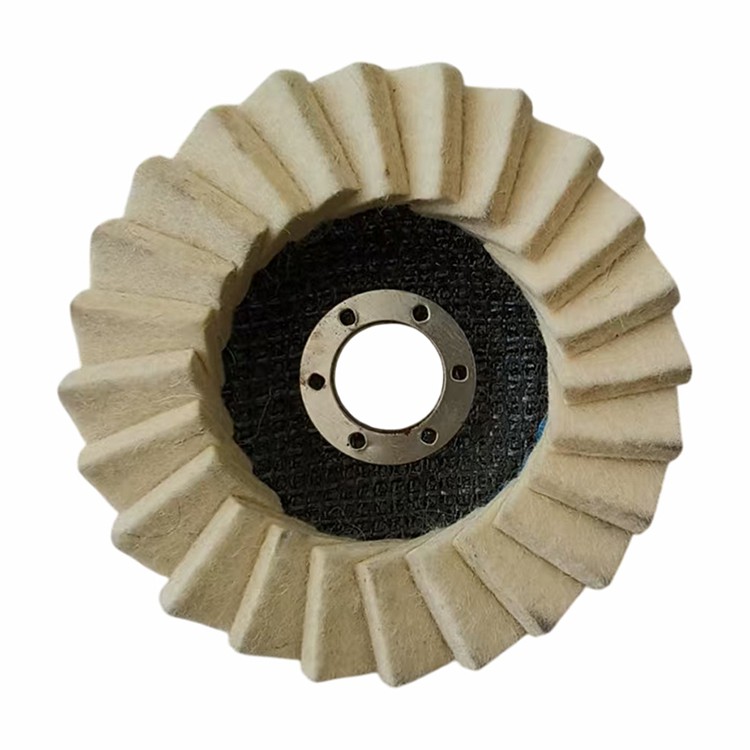
Can Wool Felt Wheels Sand?
The short answer is yes, but with limitations. Wool felt wheels are not traditional sanding tools like sandpaper or abrasive discs. However, they can perform a form of light sanding under certain conditions.
Light Surface Smoothing
Wool felt wheels can be used to smooth out very minor surface irregularities. For example, on a painted surface that has small bumps or unevenness, a wool felt wheel can gently abrade the surface to make it more uniform. The fine fibers of the wool can act as soft abrasives, gradually wearing down the high points on the surface. This is especially useful in the automotive industry when dealing with clear - coat finishes. A wool felt wheel can be used to polish out minor imperfections in the clear - coat, giving the car a showroom - quality finish.
Deburring
In metalworking, deburring is the process of removing small, sharp edges or burrs from a metal part. A wool felt wheel can be effective in this regard. When used with a mild abrasive compound, the wheel can gently remove these burrs without causing significant damage to the main body of the metal part. This is common in the manufacturing of precision metal components, where even the smallest burr can affect the functionality of the part.
Polishing and Fine - Tuning
While not strictly sanding in the traditional sense, the polishing action of a wool felt wheel can be seen as a form of fine - tuning the surface after initial sanding. After using a more aggressive sanding tool to shape and level a surface, a wool felt wheel can be used to refine the finish. For example, in the production of marble countertops, after rough sanding to achieve the desired shape, a wool felt wheel with a polishing compound can be used to bring out the natural shine of the marble.
Limitations of Using Wool Felt Wheels for Sanding
Limited Material Removal
One of the main limitations of using a wool felt wheel for sanding is its limited ability to remove large amounts of material. The soft nature of wool means that it cannot cut through hard materials as quickly as traditional sanding abrasives. For example, if you need to sand down a thick layer of paint from a metal surface, a wool felt wheel would take an extremely long time, if it could do it at all. In such cases, sandpaper or an abrasive disc would be a much more efficient choice.
Abrasive Power
Wool felt wheels do not have the same abrasive power as dedicated sanding tools. They are not suitable for sanding hard materials like concrete or thick metals. The fibers of the wool are not hard enough to cut into these materials effectively. If you try to use a wool felt wheel on a concrete surface, it will likely just wear out quickly without making any significant changes to the surface.
Ideal Applications for Wool Felt Wheels in Sanding - Related Processes
Jewelry Making
In jewelry making, wool felt wheels are used for both polishing and light sanding. After shaping a piece of metal, a wool felt wheel can be used to smooth out any rough edges left by the cutting or filing process. It can also be used to polish the metal to a high shine. The softness of the wool ensures that the delicate details of the jewelry are not damaged during the process.
Woodturning
Woodturners often use wool felt wheels for the final stages of finishing. After using sandpaper to rough - sand a turned wooden object, a wool felt wheel with a polishing compound can be used to give the wood a smooth and lustrous finish. This is especially important for items like wooden bowls or vases, where a beautiful finish is highly desirable.
Different Types of Wool Felt Wheels for Sanding - Related Tasks
Machinery Wool Felt Wheel
These are designed for use with machinery such as bench grinders or polishing machines. They are typically larger and more durable than hand - held wool felt wheels. Machinery wool felt wheels can be used for more heavy - duty sanding - related tasks, such as polishing large metal parts or smoothing out wooden furniture components.
Hand - Held Wool Felt Wheels
These are smaller and more suitable for detailed work. They are often used in DIY projects or in industries where precision is required, such as jewelry making or model building. Hand - held wool felt wheels can be easily maneuvered to reach small or hard - to - access areas.
Tips for Using Wool Felt Wheels for Sanding
- Choose the Right Abrasive Compound: When using a wool felt wheel for sanding - related tasks, the choice of abrasive compound is crucial. For light sanding and polishing, a fine - grit compound is recommended. For more aggressive sanding, a coarser compound can be used.
- Control the Pressure: Applying too much pressure when using a wool felt wheel can cause damage to the surface being worked on. It's important to use a light touch and let the wheel and the abrasive compound do the work.
- Maintain the Wheel: Regularly clean the wool felt wheel to remove any debris or used abrasive compound. This will ensure that the wheel remains effective and prolong its lifespan.
Contact for Purchase and Consultation
If you're interested in using wool felt wheels for your sanding or finishing projects, we're here to help. Whether you need advice on the right type of wheel for your specific application or are ready to place an order, we're just a message away. Our team of experts can provide you with detailed information and guidance to ensure you get the best results.
References
- "Handbook of Materials Finishing Processes" by John Wiley & Sons
- "Metalworking: A Practical Guide" by Industrial Press Inc.
- "Woodworking Techniques: From Basics to Advanced" by Taunton Press