

As a supplier of wool felt wheels, I often get asked whether these handy tools can be used in wet conditions. It's a valid question, especially considering the nature of wool and how it reacts to moisture. In this blog, I'll share my insights based on years of experience in the industry and the scientific properties of wool felt wheels.
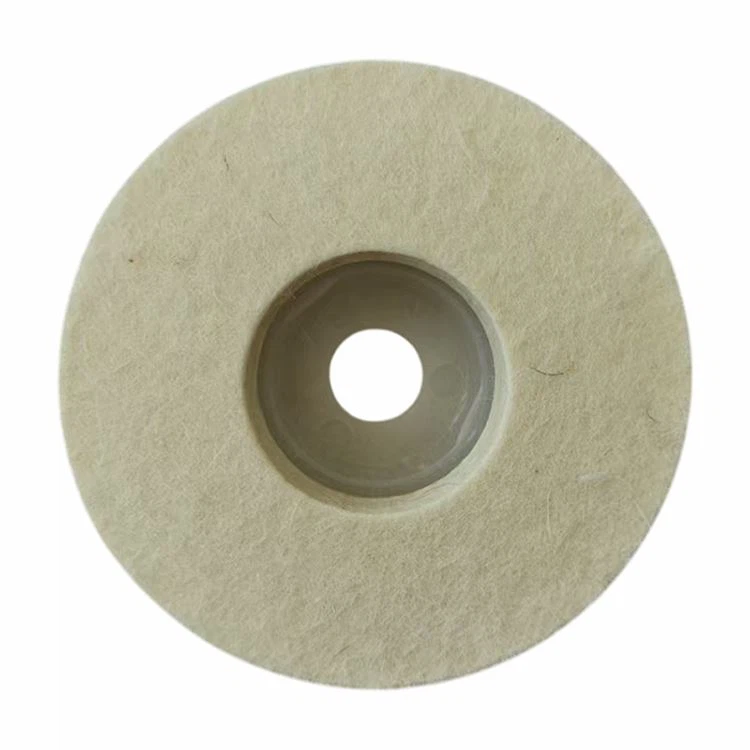
First off, let's talk about what wool felt wheels are. They're made from high - quality wool fibers that are compressed and shaped into wheels. These wheels are used in a variety of industries, from jewelry making to metal polishing. They're great for buffing, polishing, and adding a smooth finish to different surfaces.
Our Pure Wool Polishing Pad is a prime example of a product that offers excellent performance. It's crafted from 100% pure wool, which gives it a soft yet durable texture. And then there's our Machinery Wool Felt Wheel, designed specifically for use with machinery. It can handle high - speed rotations and is perfect for industrial applications. Our Premium Wool Polishing Wheel takes things a step further with its top - notch quality and enhanced polishing capabilities.
Now, back to the main question: can a wool felt wheel be used in wet conditions? Well, the answer isn't a simple yes or no. Wool is a natural fiber with some unique properties. It's hygroscopic, which means it can absorb and release moisture. In fact, wool can absorb up to 30% of its own weight in water without feeling wet to the touch. This is due to the structure of the wool fibers, which have tiny scales that can trap water molecules.
On one hand, using a wool felt wheel in wet conditions can have some benefits. When the wheel is wet, it can act as a lubricant during the polishing process. This reduces friction between the wheel and the surface being polished, which in turn can prevent overheating. Overheating can cause damage to both the wheel and the workpiece, so having that extra bit of lubrication can be a game - changer.
Another advantage is that a wet wool felt wheel can help to flush away debris. As you're polishing, small particles of the material being worked on can get stuck in the wheel. When the wheel is wet, these particles are more likely to be washed out, keeping the wheel clean and maintaining its effectiveness.
However, there are also some potential drawbacks. One of the biggest concerns is the risk of mold and mildew growth. If the wool felt wheel is constantly exposed to moisture and doesn't have a chance to dry properly, it can become a breeding ground for these unwanted organisms. Mold and mildew not only smell bad but can also damage the wool fibers, reducing the lifespan of the wheel.
Wet conditions can also cause the wool fibers to swell. This can change the shape and density of the wheel, which may affect its performance. For example, if the wheel swells too much, it might not fit properly in the polishing equipment or it could apply uneven pressure on the surface being polished.
So, if you decide to use a wool felt wheel in wet conditions, here are some tips to keep in mind. First, make sure to use clean water. Dirty water can contain contaminants that can damage the wheel or leave residue on the workpiece. Second, after each use, dry the wheel thoroughly. You can do this by leaving it in a well - ventilated area or using a low - heat dryer. Just be careful not to overheat the wheel, as this can also damage the wool fibers.
It's also a good idea to inspect the wheel regularly for signs of mold or damage. If you notice any discoloration or a musty smell, it's probably time to replace the wheel.
In conclusion, a wool felt wheel can be used in wet conditions, but it requires careful consideration and proper maintenance. If you take the necessary precautions, you can enjoy the benefits of using a wet wheel, such as reduced friction and debris removal.

If you're interested in purchasing our high - quality wool felt wheels or have any questions about using them in wet conditions, don't hesitate to reach out. We're here to help you make the most of these amazing tools and find the perfect product for your needs. Whether you're a small - scale hobbyist or a large - scale industrial user, we've got the right wool felt wheel for you.
References
- "Wool: Properties and Characteristics", Textile Institute Publications
- "Industrial Polishing Techniques", Manufacturing Technology Handbook