

Hey there! As a supplier of wool felt wheels, I often get asked whether a wool felt wheel can be used on plastic. Well, let's dive right into this topic and find out!
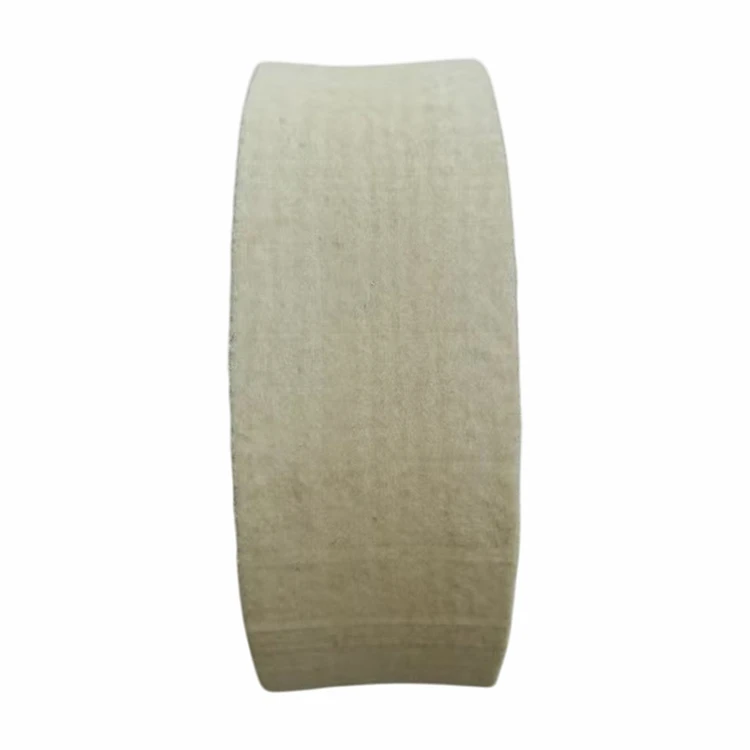
First off, let's understand what a wool felt wheel is. Wool felt wheels are made from natural wool fibers that are compressed and formed into a wheel - like shape. They're known for their softness, flexibility, and ability to hold polishing compounds. These wheels are commonly used in various industries for polishing, buffing, and finishing different materials.
Now, when it comes to using a wool felt wheel on plastic, there are both pros and cons.
The Pros
One of the biggest advantages of using a wool felt wheel on plastic is its gentle nature. Wool is a soft material, and when used with the right polishing compound, it can create a smooth and shiny finish on plastic surfaces without causing significant scratches. This is especially important for delicate plastics or those with a high - gloss finish that you want to maintain.
For example, if you're working on a plastic display case or a high - end plastic gadget, a wool felt wheel can help you achieve a professional - looking polish. The natural fibers of the wool can conform to the shape of the plastic, making it easier to reach into corners and curves.
Another benefit is the compatibility with a wide range of polishing compounds. You can choose from abrasive compounds for more aggressive polishing or finer compounds for a mirror - like finish. This versatility allows you to customize the polishing process according to the type of plastic and the desired outcome.
The Cons
However, there are also some challenges when using a wool felt wheel on plastic. One of the main issues is the potential for heat buildup. When you're using a wool felt wheel at high speeds, friction can generate heat. Some plastics are sensitive to heat and may warp or melt if the temperature gets too high. So, it's crucial to control the speed of the wheel and use cooling techniques, such as applying a small amount of water or a specialized coolant.
Another concern is the risk of leaving behind fibers. Wool fibers can sometimes break off during the polishing process and stick to the plastic surface. This can be a nuisance, especially if you're aiming for a flawless finish. To minimize this problem, you can pre - clean the wool felt wheel before use and use a lint - free cloth to wipe the plastic surface periodically.
Types of Plastic and Their Suitability
Not all plastics are created equal when it comes to using a wool felt wheel. Let's take a look at some common types of plastic and how they fare:
- Acrylic: Acrylic is a popular plastic that can be polished to a high shine. It's relatively heat - resistant compared to some other plastics, making it a good candidate for wool felt wheel polishing. You can use a medium - grit polishing compound first to remove any scratches and then switch to a finer compound for a mirror finish. Check out our Pure Wool Polishing Pad for a great option to polish acrylic.
- Polycarbonate: Polycarbonate is known for its strength and impact resistance. However, it's more sensitive to heat than acrylic. When using a wool felt wheel on polycarbonate, you need to be extra careful with the speed and pressure. A slow and steady approach with a fine - grit polishing compound is recommended. Our Premium Wool Polishing Wheel can be a good choice for polycarbonate polishing.
- ABS (Acrylonitrile Butadiene Styrene): ABS is a common plastic used in many consumer products. It can be polished with a wool felt wheel, but like polycarbonate, it's important to avoid overheating. A gentle polishing process with a suitable compound can give ABS a nice shine. Our Machinery Wool Felt Wheel is designed to work well with various plastics, including ABS.
Tips for Using a Wool Felt Wheel on Plastic
If you decide to use a wool felt wheel on plastic, here are some tips to help you get the best results:
- Choose the right wheel: Select a wool felt wheel with the appropriate density and hardness for the type of plastic you're working on. A softer wheel is generally better for more delicate plastics.
- Select the right compound: As mentioned earlier, the choice of polishing compound is crucial. Start with a test area to determine the best compound for your plastic.
- Control the speed: Keep the speed of the wheel at a moderate level to prevent heat buildup. You can always increase the speed gradually if needed.
- Clean the surface: Before you start polishing, make sure the plastic surface is clean and free of dirt and debris. This will help prevent scratches and ensure a better polish.
- Inspect regularly: Periodically stop and inspect the plastic surface for any signs of damage, such as warping or fiber residue. Make adjustments to the process as necessary.
Conclusion
So, can a wool felt wheel be used on plastic? The answer is yes, but with some precautions. It offers a great way to achieve a high - quality polish on many types of plastic, but you need to be aware of the potential challenges and take steps to overcome them.
If you're in the market for a wool felt wheel for your plastic - polishing needs, we've got you covered. We offer a wide range of Pure Wool Polishing Pad, Premium Wool Polishing Wheel, and Machinery Wool Felt Wheel to suit different applications.

If you have any questions or want to discuss your specific requirements, don't hesitate to reach out. We're here to help you make the right choice and achieve the best results with your plastic - polishing projects. Let's start a conversation and see how we can work together!
References
- "Plastics Polishing Handbook", Industrial Publishing Co.
- "Wool Felt Products: Properties and Applications", Textile Research Institute.