

Can I use a rail cutting disc in wet conditions?
As a supplier of Rail Cutting Discs, I often encounter questions from customers regarding the usage conditions of our products. One of the most frequently asked questions is whether a rail cutting disc can be used in wet conditions. In this blog post, I'll delve into this topic in detail, exploring the scientific aspects, potential risks, and benefits associated with using rail cutting discs in wet environments.
Understanding Rail Cutting Discs
Before we discuss wet conditions, let's first understand what rail cutting discs are. Rail cutting discs are specialized abrasive tools designed for cutting through railway tracks and other similar ferrous materials. They are typically made from high - quality abrasive grains bonded together with a resin or other binding agents. These discs are engineered to withstand high - speed rotation and the intense friction generated during the cutting process.
Our Rail Cutting Disc products are known for their durability, sharpness, and precision cutting. They are suitable for various applications in the railway industry, including track installation, maintenance, and repair.
The Impact of Wet Conditions on Rail Cutting Discs
- Cooling Effect
One of the primary advantages of using a rail cutting disc in wet conditions is the cooling effect. When cutting metal, a significant amount of heat is generated due to friction between the disc and the rail. Excessive heat can cause the abrasive grains on the disc to wear out quickly, reduce the disc's cutting performance, and even damage the disc. Water acts as a coolant, dissipating the heat generated during the cutting process. This helps to maintain the integrity of the abrasive grains, prolonging the life of the cutting disc. - Dust Suppression
Cutting rails dry can produce a large amount of dust, which is not only a nuisance but also a health hazard. Inhalation of metal dust can lead to respiratory problems such as silicosis and other lung diseases. When using a rail cutting disc in wet conditions, the water helps to suppress the dust. The water molecules bind with the dust particles, preventing them from becoming airborne. This creates a safer working environment for operators and reduces the need for additional dust - control equipment. - Corrosion Risk
However, using a rail cutting disc in wet conditions also presents some challenges. One of the main concerns is corrosion. The water can cause the metal parts of the cutting disc, such as the core and the metal - bonded segments, to rust. Corrosion can weaken the structure of the disc, leading to premature failure. To mitigate this risk, our rail cutting discs are treated with anti - corrosion coatings. These coatings provide a protective barrier between the metal and the water, reducing the likelihood of corrosion. - Electrical Hazard
Another important consideration is the electrical hazard. If the cutting equipment is not properly insulated, using a rail cutting disc in wet conditions can pose a significant risk of electric shock. It is essential to ensure that all electrical components of the cutting machine are waterproof and that the operator follows all safety procedures.
Compatibility with Different Types of Cutting Discs
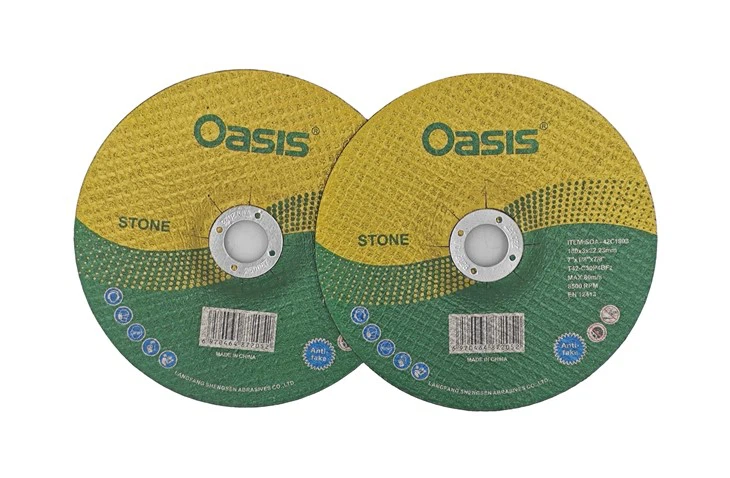
It's important to note that not all cutting discs are suitable for wet use. Some discs, such as those with a resin - bonded structure, may be more prone to damage in wet conditions. Our Alloy&stone Cutting Disc and Universal Cutting Disc are designed to be more versatile and can be used in both dry and wet conditions. However, it's always recommended to check the product specifications before use.
Best Practices for Using Rail Cutting Discs in Wet Conditions
- Choose the Right Disc
Select a rail cutting disc that is specifically designed for wet use. Look for discs with anti - corrosion features and a high - quality binding agent that can withstand the presence of water. - Inspect the Equipment
Before starting the cutting process, thoroughly inspect the cutting equipment. Check for any signs of damage to the electrical insulation and ensure that all safety features are working properly. - Control the Water Flow
Proper water flow is crucial when using a rail cutting disc in wet conditions. Too little water may not provide sufficient cooling and dust suppression, while too much water can cause the disc to lose its cutting efficiency. Adjust the water flow according to the cutting speed and the type of rail being cut. - Maintain the Disc
After each use, dry the rail cutting disc thoroughly to prevent corrosion. Store the disc in a dry place to extend its lifespan.
Conclusion
In conclusion, using a rail cutting disc in wet conditions has both advantages and disadvantages. The cooling effect and dust suppression are significant benefits, but the risks of corrosion and electrical hazards need to be carefully managed. As a supplier of high - quality rail cutting discs, we have designed our products to be suitable for wet use, with anti - corrosion coatings and other features to ensure optimal performance and safety.
If you are in the market for a reliable rail cutting disc that can be used in various conditions, including wet environments, we invite you to explore our Rail Cutting Disc product range. Our team of experts is always ready to assist you with any questions or concerns you may have. Whether you are a railway maintenance company, a construction firm, or an individual contractor, we can provide you with the right cutting solution for your needs. Contact us today to discuss your requirements and start a procurement negotiation.

References
- Abrasive Engineering Handbook. This comprehensive handbook provides in - depth information on the design, manufacturing, and application of abrasive cutting tools.
- Safety Standards for Metal Cutting Equipment. These standards outline the safety requirements for using cutting discs in different environments, including wet conditions.
- Research Papers on Abrasive Wear in Wet Cutting Processes. These papers present the latest research findings on the impact of wet conditions on the performance and lifespan of cutting discs.