

Can I use an alloy cutting wheel on a file (for sharpening metal tools)?
When it comes to sharpening metal tools, the choice of the right abrasive tool is crucial. As a supplier of alloy cutting wheels, I am often asked whether an alloy cutting wheel can be used on a file for sharpening metal tools. In this blog post, we will delve into this topic, examining the feasibility, advantages, and potential drawbacks of using an alloy cutting wheel for this purpose.
Understanding Alloy Cutting Wheels
Alloy cutting wheels are abrasive wheels made from a combination of different metals and abrasives. These wheels are designed for cutting a wide range of metals, including steel, stainless steel, aluminum, and alloys. They are known for their high cutting speed, durability, and ability to withstand high temperatures. The composition of the alloy gives the cutting wheel its unique properties, making it suitable for various industrial and DIY applications.
Sharpening Metal Tools with a File
Files are traditional hand tools used for sharpening, shaping, and smoothing metal surfaces. They come in different shapes, sizes, and tooth patterns to suit different types of metalworking tasks. When sharpening a metal tool with a file, the user typically moves the file across the edge of the tool in a controlled manner, removing small amounts of material to achieve a sharp edge.
Using an Alloy Cutting Wheel on a File
Technically, it is possible to use an alloy cutting wheel on a file for sharpening metal tools. However, there are several factors to consider before doing so.
Advantages
- Efficiency: Alloy cutting wheels can remove material much faster than a traditional file. This can significantly reduce the time required to sharpen a metal tool, especially if the tool has a large surface area or if the edge is very dull.
- Versatility: Alloy cutting wheels can be used on a variety of metals, including hardened steels that may be difficult to file. This makes them a more versatile option for sharpening different types of metal tools.
- Precision: When used correctly, an alloy cutting wheel can provide a high level of precision. Some alloy cutting wheels are designed with fine grits, which can produce a smooth and sharp edge on the metal tool.
Drawbacks
- Heat Generation: Alloy cutting wheels generate a significant amount of heat during the cutting process. This heat can cause the metal tool to overheat, which may lead to changes in the metal's properties, such as hardness and toughness. Overheating can also cause the tool to warp or lose its shape.
- Lack of Control: Unlike files, which allow for a high degree of manual control, alloy cutting wheels can be more difficult to control. This can make it challenging to achieve a precise and uniform edge on the metal tool, especially for novice users.
- Safety Risks: Using an alloy cutting wheel requires proper safety precautions. The wheel can produce sparks, debris, and high-speed particles, which can pose a risk of injury to the user. Additionally, if the wheel is not properly installed or maintained, it can break or shatter during use, causing serious harm.
Alternatives to Using an Alloy Cutting Wheel on a File
If you are hesitant to use an alloy cutting wheel on a file for sharpening metal tools, there are several alternatives available.
- Diamond Cutting Disc: Diamond cutting discs are known for their high cutting efficiency and precision. They are made with diamond particles embedded in a metal or resin bond, which allows them to cut through hard materials with ease. You can find a wide range of Diamond Cutting Disc options on our website.
- Universal Cutting Disc: Universal cutting discs are designed to be used on a variety of metals and materials. They offer a good balance between cutting speed and durability, making them a popular choice for general-purpose metalworking tasks. Check out our Universal Cutting Disc selection for more information.
- Rail Cutting Disc: Rail cutting discs are specifically designed for cutting rails and other heavy-duty metal components. They are made with a high-quality abrasive material that can withstand the high pressure and stress of cutting thick metal. If you need to cut or sharpen rail-related metal tools, our Rail Cutting Disc may be the right choice for you.
Conclusion
In conclusion, while it is possible to use an alloy cutting wheel on a file for sharpening metal tools, it is important to weigh the advantages and drawbacks carefully. If you decide to use an alloy cutting wheel, make sure to follow all safety guidelines and use the wheel correctly to avoid any potential risks. Alternatively, you may want to consider using one of the alternative cutting discs mentioned above, which may be more suitable for your specific sharpening needs.
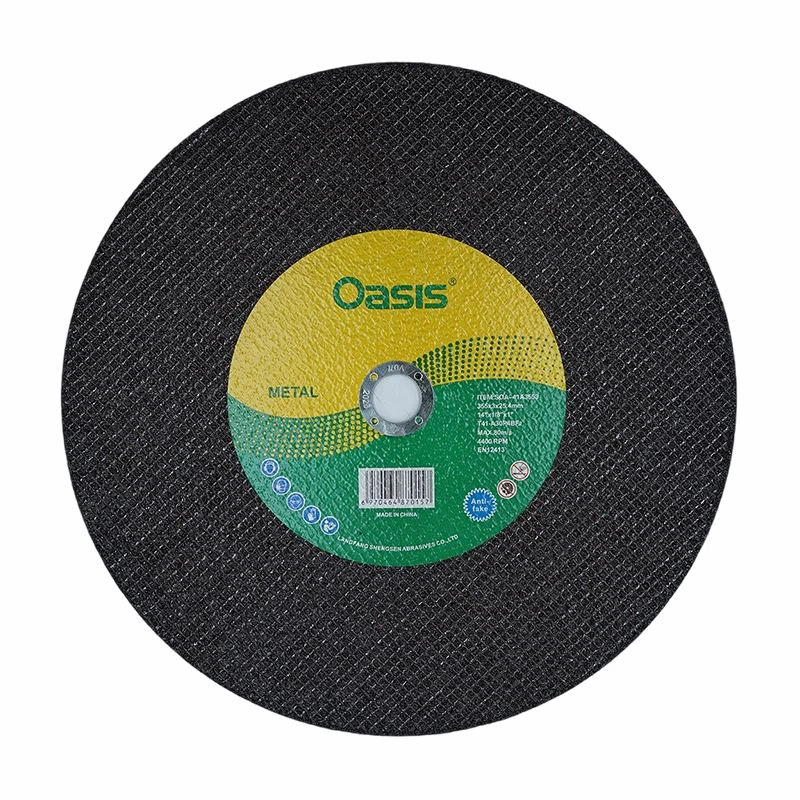

If you are interested in purchasing alloy cutting wheels or any of our other cutting disc products, please feel free to contact us to discuss your requirements. Our team of experts is always ready to provide you with professional advice and support to help you make the right choice for your metalworking projects.
References
- "Handbook of Abrasive Technology" by R. H. King
- "Metalworking: A Practical Guide" by J. R. Walker