

Hey there! I'm an alloy cutting wheel supplier, and I often get asked this question: "Can I use an alloy cutting wheel on a hand - held saw?" Well, let's dig into this topic and find out.
First off, what are alloy cutting wheels? These are super - handy tools designed to cut through all sorts of alloy materials. They're made with special abrasives that can handle the tough job of slicing through metals that are a mix of different elements. And they come in different types, like the Alloy&stone Cutting Disc, which can be used for both alloy and stone materials. This versatility makes them a popular choice for many DIYers and professionals alike.
Now, let's talk about hand - held saws. They're portable, easy to use, and can be a real game - changer when you need to make quick cuts on the go. But can they handle an alloy cutting wheel? The short answer is, in most cases, yes, but there are some important things to consider.
Compatibility
The first thing you need to check is if your hand - held saw is compatible with the alloy cutting wheel. Different saws have different specifications, like the size of the arbor (the central shaft where the wheel attaches). You need to make sure the arbor size of your saw matches the inner diameter of the cutting wheel. If they don't match, it's not going to work properly, and it can even be dangerous.
For example, if the arbor is too small for the wheel, the wheel won't be held securely, and it could fly off during operation. On the other hand, if the arbor is too large, the wheel might not fit at all. So, always check the user manual of your saw and the product details of the cutting wheel to ensure a proper fit.
Power and Speed
Another crucial factor is the power and speed of your hand - held saw. Alloy cutting wheels are designed to work within a certain range of speeds. If your saw runs too fast, it can cause the cutting wheel to overheat, which can lead to premature wear and even breakage. On the flip side, if the saw is too slow, it won't be able to cut through the alloy effectively, and you'll end up wasting a lot of time and effort.
Most alloy cutting wheels come with a recommended operating speed. You need to make sure your hand - held saw can operate within that range. Some high - end hand - held saws allow you to adjust the speed, which is a great feature when using an alloy cutting wheel. This way, you can fine - tune the speed according to the type of alloy you're cutting and the thickness of the material.
Safety Precautions
Using an alloy cutting wheel on a hand - held saw is not without risks, so safety should always be your top priority. Here are some important safety precautions to follow:
- Wear Protective Gear: Always wear safety glasses to protect your eyes from flying debris. A face shield can also provide extra protection. Gloves are a must to protect your hands from cuts and abrasions. And don't forget to wear ear protection, as the noise from the saw can be quite loud.
- Inspect the Cutting Wheel: Before using the cutting wheel, carefully inspect it for any signs of damage, such as cracks or chips. A damaged cutting wheel can break during operation, which is extremely dangerous. If you find any damage, don't use the wheel and replace it immediately.
- Secure the Workpiece: Make sure the workpiece is firmly secured before you start cutting. This will prevent it from moving around during the cutting process, which can lead to uneven cuts and increase the risk of accidents. You can use clamps or a vise to hold the workpiece in place.
- Follow the Right Cutting Technique: When cutting, apply steady pressure on the saw, but don't force it. Let the cutting wheel do the work. If you try to force the saw through the material, it can cause the wheel to bind or break. Also, make sure to cut in a straight line to get a clean and accurate cut.
Types of Alloy Cutting Wheels for Hand - Held Saws
There are different types of alloy cutting wheels that are suitable for hand - held saws. One popular type is the Rail Cutting Disc. As the name suggests, it's designed specifically for cutting rails, but it can also be used for other types of alloy materials. These discs are usually made with a tough abrasive that can handle the high - strength alloys used in rails.
Another type is the Universal Cutting Disc. This is a great all - around option if you need to cut different types of alloys. It's versatile and can be used for a variety of applications, from thin sheets of alloy to thicker bars.
Benefits of Using an Alloy Cutting Wheel on a Hand - Held Saw
There are several benefits to using an alloy cutting wheel on a hand - held saw. Firstly, it gives you the flexibility to make cuts wherever you need them. You're not tied to a fixed workstation, and you can take your saw and cutting wheel to the job site. This is especially useful for construction workers, plumbers, and electricians who need to make on - the - spot cuts.
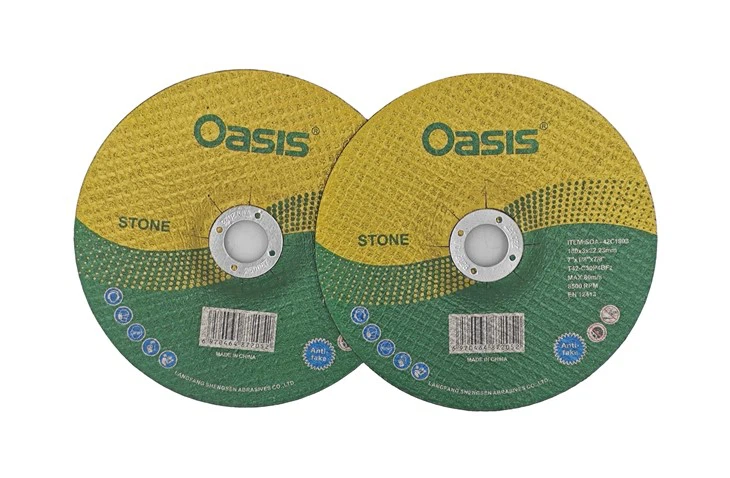
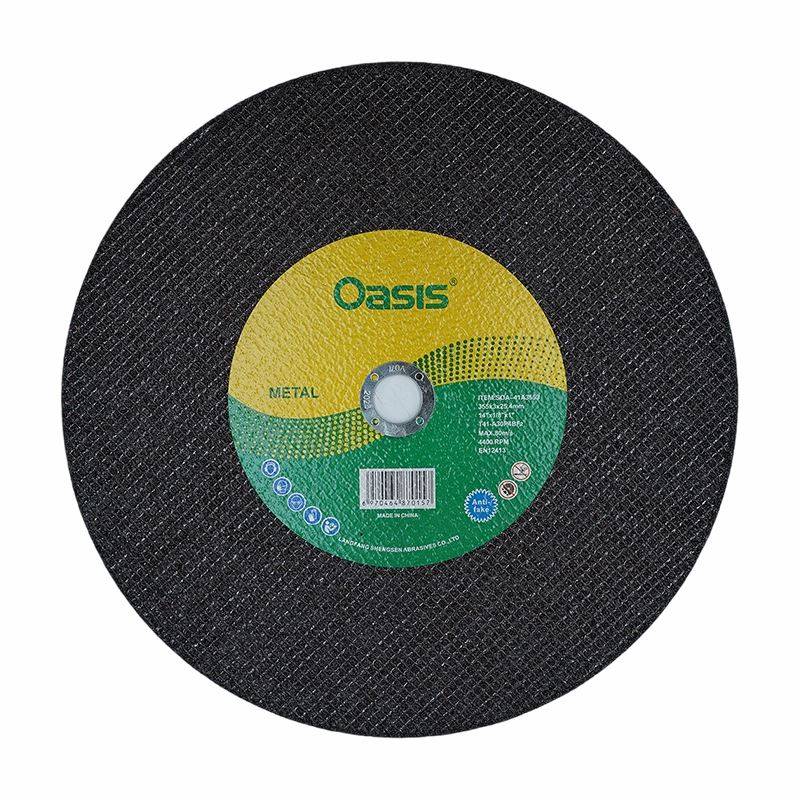
Secondly, alloy cutting wheels are very efficient. They can cut through alloy materials quickly and cleanly, which saves you time and effort. This is important when you have a large number of cuts to make or when you're working on a tight schedule.
Finally, using an alloy cutting wheel on a hand - held saw can be cost - effective. Instead of investing in a large, expensive cutting machine, you can use a relatively inexpensive hand - held saw and a cutting wheel. This is a great option for small businesses and DIY enthusiasts who don't have a lot of money to spend on equipment.
When to Avoid Using an Alloy Cutting Wheel on a Hand - Held Saw
While in most cases, you can use an alloy cutting wheel on a hand - held saw, there are some situations where it's not a good idea. For example, if you're cutting extremely thick or hard alloys, a hand - held saw might not have enough power to do the job effectively. In these cases, it's better to use a more powerful stationary cutting machine.
Also, if you're not experienced in using a hand - held saw with an alloy cutting wheel, it's a good idea to get some training first. Cutting alloys can be tricky, and if you don't know what you're doing, you can easily make mistakes that can lead to accidents.
Conclusion
So, can you use an alloy cutting wheel on a hand - held saw? The answer is yes, but only if you take the necessary precautions and make sure your saw is compatible with the cutting wheel. By following the safety guidelines and using the right type of cutting wheel, you can safely and effectively cut through a variety of alloy materials using a hand - held saw.
If you're interested in purchasing high - quality alloy cutting wheels, I'd love to talk to you. Whether you're a professional tradesperson or a DIY enthusiast, I can help you find the right cutting wheel for your needs. Just reach out, and we can start a conversation about your requirements.
References
- "Hand - Held Power Tools Safety Manual", Occupational Safety and Health Administration (OSHA)
- "Cutting Tools Handbook", Industrial Tooling Institute