

As a supplier of felt wheels, I often encounter questions from customers regarding the maintenance and operation of these products. One of the most frequently asked questions is whether felt wheels need to be lubricated. In this blog post, I will delve into this topic, exploring the reasons behind lubrication, the types of lubricants suitable for felt wheels, and the potential consequences of improper lubrication.
Understanding Felt Wheels
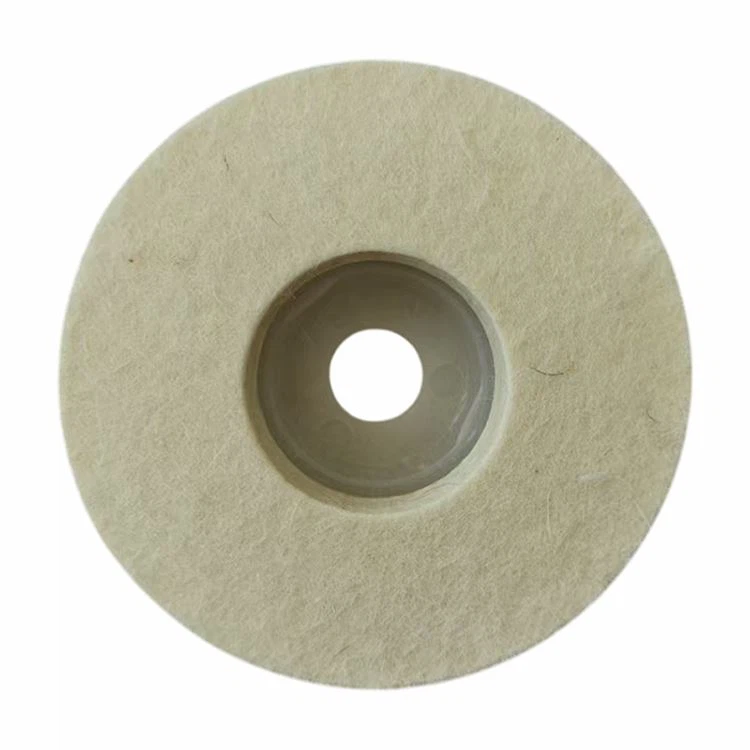
Before discussing lubrication, it's essential to understand what felt wheels are and how they are used. Felt wheels are made from compressed wool fibers, which provide a soft and flexible surface for polishing, buffing, and finishing various materials. They are commonly used in industries such as jewelry making, metalworking, woodworking, and automotive detailing.
Felt wheels come in different sizes, shapes, and densities, depending on the specific application. For example, Wool Felt Wheel is a popular choice for general-purpose polishing, while Pure Wool Polishing Pad is designed for more delicate surfaces. Premium Wool Polishing Wheel offers superior performance and durability, making it ideal for heavy-duty applications.
Reasons for Lubricating Felt Wheels
Lubrication plays a crucial role in the performance and longevity of felt wheels. Here are some of the main reasons why lubricating felt wheels is necessary:
Reducing Friction
When a felt wheel rotates against a surface, friction is generated, which can cause heat buildup and wear on the wheel and the workpiece. Lubrication helps to reduce friction by creating a thin film between the wheel and the surface, allowing the wheel to glide smoothly and reducing the amount of heat generated. This not only extends the life of the felt wheel but also improves the quality of the finish.
Preventing Clogging
During the polishing process, debris and particles from the workpiece can become embedded in the felt fibers, causing the wheel to clog. Lubrication helps to prevent clogging by keeping the fibers clean and free from debris. It also helps to flush away any loose particles, ensuring that the wheel maintains its effectiveness throughout the polishing process.
Enhancing Polishing Performance
Lubricants can also enhance the polishing performance of felt wheels by improving the cutting action and reducing the amount of pressure required to achieve a smooth finish. This results in a more consistent and uniform finish, with fewer scratches and imperfections.
Protecting the Workpiece
In some cases, lubrication can also help to protect the workpiece from damage. For example, when polishing delicate materials such as jewelry or electronics, a lubricant can act as a buffer, preventing the felt wheel from scratching or marring the surface.
Types of Lubricants for Felt Wheels
There are several types of lubricants that can be used for felt wheels, each with its own advantages and disadvantages. Here are some of the most common types of lubricants:
Water-Based Lubricants
Water-based lubricants are a popular choice for felt wheels because they are environmentally friendly, easy to clean up, and relatively inexpensive. They are also suitable for use on a wide range of materials, including metals, plastics, and ceramics. However, water-based lubricants may not provide as much lubrication as oil-based lubricants, and they may dry out quickly, requiring frequent reapplication.
Oil-Based Lubricants
Oil-based lubricants offer superior lubrication and are more effective at reducing friction and preventing clogging. They are also more durable and long-lasting than water-based lubricants. However, oil-based lubricants can be messy and difficult to clean up, and they may not be suitable for use on certain materials, such as plastics and rubber.
Synthetic Lubricants
Synthetic lubricants are a relatively new type of lubricant that offers the best of both worlds. They provide excellent lubrication, are environmentally friendly, and are easy to clean up. Synthetic lubricants are also more resistant to heat and wear than water-based and oil-based lubricants, making them ideal for use in high-speed and high-pressure applications.
How to Lubricate Felt Wheels
Lubricating felt wheels is a relatively simple process, but it's important to follow the manufacturer's instructions carefully to ensure that the lubricant is applied correctly. Here are the general steps for lubricating felt wheels:
Step 1: Choose the Right Lubricant
As mentioned earlier, there are several types of lubricants available for felt wheels, so it's important to choose the one that is best suited for your specific application. Consider factors such as the type of material you are polishing, the speed and pressure of the polishing process, and the environmental conditions.
Step 2: Prepare the Felt Wheel
Before applying the lubricant, make sure that the felt wheel is clean and free from debris. You can use a brush or compressed air to remove any loose particles from the wheel.
Step 3: Apply the Lubricant
There are several ways to apply lubricant to a felt wheel, depending on the type of lubricant and the size of the wheel. Here are some common methods:
- Dipping: This method involves dipping the felt wheel into a container of lubricant and allowing it to soak for a few minutes. This is a simple and effective way to apply lubricant to small to medium-sized wheels.
- Spraying: You can also use a spray bottle to apply the lubricant to the felt wheel. This method is suitable for larger wheels or for applying lubricant to hard-to-reach areas.
- Brushing: Another option is to use a brush to apply the lubricant to the felt wheel. This method allows you to control the amount of lubricant applied and is suitable for applying lubricant to specific areas of the wheel.
Step 4: Let the Lubricant Dry
After applying the lubricant, allow the felt wheel to dry for a few minutes before using it. This will ensure that the lubricant has had a chance to penetrate the felt fibers and provide maximum lubrication.
Potential Consequences of Improper Lubrication
Improper lubrication can have several negative consequences for felt wheels and the polishing process. Here are some of the potential problems that can occur:
Excessive Wear
If a felt wheel is not lubricated properly, it can experience excessive wear and tear, which can shorten its lifespan and reduce its effectiveness. This can result in a poor-quality finish and may require more frequent replacement of the felt wheel.
Clogging
As mentioned earlier, lubrication helps to prevent clogging by keeping the felt fibers clean and free from debris. If a felt wheel is not lubricated properly, it can become clogged with debris, which can reduce its cutting action and make it less effective at polishing.
Heat Buildup
Friction between the felt wheel and the workpiece can generate heat, which can cause the felt wheel to wear out more quickly and can also damage the workpiece. Lubrication helps to reduce friction and prevent heat buildup, but if a felt wheel is not lubricated properly, it can overheat and cause damage to both the wheel and the workpiece.
Poor Finish Quality
Improper lubrication can also result in a poor-quality finish, with more scratches and imperfections. This can be especially problematic when polishing delicate materials such as jewelry or electronics.
Conclusion
In conclusion, lubrication is an essential part of maintaining and operating felt wheels. It helps to reduce friction, prevent clogging, enhance polishing performance, and protect the workpiece. By choosing the right lubricant and applying it correctly, you can ensure that your felt wheels perform at their best and last longer.
If you have any questions or need further information about felt wheels or lubrication, please feel free to contact us. We are a leading supplier of felt wheels and can provide you with high-quality products and expert advice. Whether you are a professional jeweler, metalworker, or hobbyist, we have the right felt wheel for your needs. Contact us today to discuss your requirements and explore our range of products.

References
- "Felt Wheels: A Guide to Selection and Use." Industrial Finishing, [Publication Date].
- "Lubrication Basics for Polishing and Buffing." American Machinist, [Publication Date].
- "The Importance of Lubrication in Metalworking." Modern Machine Shop, [Publication Date].