

As a supplier of Ceramic Straight Wheels, I've witnessed firsthand the intricate dance between these remarkable tools and different grinding fluids. The interaction between ceramic straight wheels and grinding fluids is a topic that combines the science of materials and the art of machining. In this blog, we'll explore how these two elements come together, the effects of different grinding fluids on the performance of ceramic straight wheels, and how this knowledge can benefit your machining operations.
Understanding Ceramic Straight Wheels
Ceramic straight wheels are made from advanced ceramic abrasive materials that offer high hardness, excellent heat resistance, and sharp cutting edges. These properties make them ideal for high - precision grinding applications, such as in the aerospace, automotive, and tool and die industries. The unique structure of ceramic abrasives allows them to self - sharpen during the grinding process, maintaining a consistent cutting performance over a long period.
Our Ceramic Straight Wheels are carefully engineered to meet the demanding requirements of various grinding tasks. They are available in different grain sizes, bond types, and diameters to suit specific applications. Whether you're grinding hardened steel, titanium alloys, or other difficult - to - machine materials, our ceramic straight wheels are designed to deliver exceptional results.
The Role of Grinding Fluids
Grinding fluids, also known as coolants or lubricants in the grinding process, play several crucial roles. Firstly, they help to dissipate heat generated during grinding. Excessive heat can lead to thermal damage to the workpiece, such as surface burns, micro - cracking, and changes in the material's microstructure. By carrying away the heat, grinding fluids protect the workpiece and the grinding wheel from overheating.
Secondly, grinding fluids provide lubrication between the abrasive grains of the wheel and the workpiece. This reduces friction, which in turn decreases the grinding forces and improves the surface finish of the workpiece. Additionally, grinding fluids can flush away the chips and debris produced during grinding, preventing them from clogging the wheel and ensuring a continuous and efficient grinding operation.
Interaction with Different Types of Grinding Fluids
Mineral Oil - Based Grinding Fluids
Mineral oil - based grinding fluids are widely used due to their excellent lubricating properties. When used with ceramic straight wheels, they form a thin film between the abrasive grains and the workpiece. This film reduces the direct contact between the two, minimizing friction and wear on the wheel. As a result, the cutting edges of the ceramic abrasives remain sharp for a longer time, leading to a more consistent grinding performance.
However, mineral oil - based fluids may have some limitations in terms of heat dissipation. Since they have relatively low thermal conductivity compared to water - based fluids, they may not be as effective in removing heat from the grinding zone. This can be a concern when grinding at high speeds or when dealing with materials that generate a large amount of heat, such as titanium alloys.
Water - Based Grinding Fluids
Water - based grinding fluids are popular for their good heat - dissipating capabilities. They have high thermal conductivity, which allows them to quickly carry away the heat generated during grinding. When used with ceramic straight wheels, water - based fluids can significantly reduce the risk of thermal damage to the workpiece and the wheel.
There are two main types of water - based fluids: soluble oils and synthetic fluids. Soluble oils are a mixture of mineral oil and water, with an emulsifier to keep the oil droplets suspended in the water. They offer a good balance between lubrication and heat dissipation. Synthetic fluids, on the other hand, are formulated without mineral oil and are designed to provide excellent cooling and corrosion protection.
When using water - based fluids with ceramic straight wheels, it's important to ensure proper fluid maintenance. Water - based fluids are more prone to bacterial growth, which can lead to a foul odor and reduced fluid performance. Regular monitoring of the fluid's pH, concentration, and cleanliness is essential to maintain optimal grinding conditions.
Semi - Synthetic Grinding Fluids
Semi - synthetic grinding fluids combine the advantages of both mineral oil - based and water - based fluids. They contain a small amount of mineral oil and a high proportion of water, along with various additives. These fluids offer good lubrication and heat dissipation properties, making them suitable for a wide range of grinding applications.
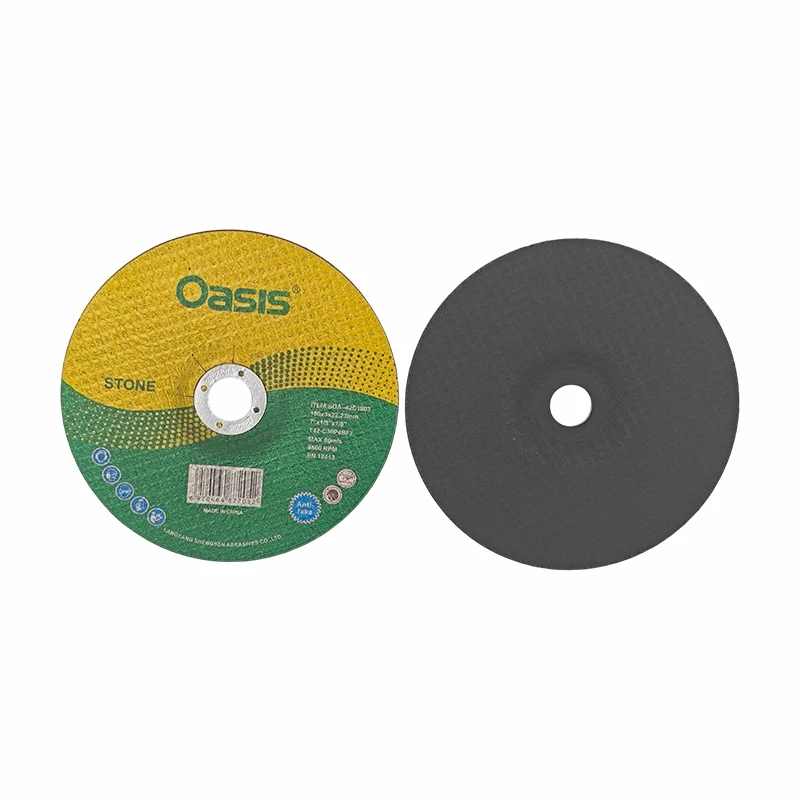
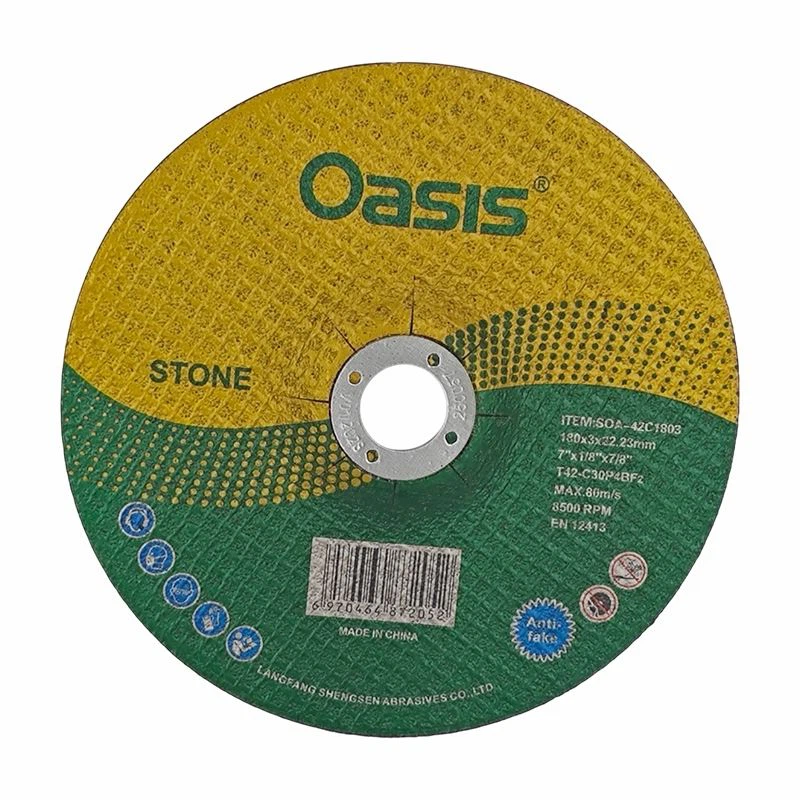
When used with ceramic straight wheels, semi - synthetic fluids can provide a smooth grinding operation with reduced wheel wear and improved surface finish. They also have better resistance to bacterial growth compared to pure water - based fluids, which simplifies fluid maintenance.
Impact on Grinding Performance
The choice of grinding fluid can have a significant impact on the performance of ceramic straight wheels. A well - matched fluid can enhance the wheel's cutting efficiency, extend its lifespan, and improve the quality of the ground surface.
Cutting Efficiency
The lubricating properties of the grinding fluid can reduce the grinding forces, allowing the ceramic straight wheel to cut more easily through the workpiece. This results in higher material removal rates and shorter grinding times. For example, when using a mineral oil - based fluid with good lubricity, the wheel can maintain a sharp cutting edge, enabling it to remove material at a faster pace.
Wheel Lifespan
Proper lubrication and heat dissipation provided by the grinding fluid can reduce the wear on the ceramic straight wheel. By minimizing the friction and thermal stress, the abrasive grains on the wheel are less likely to break or wear down prematurely. This extends the lifespan of the wheel, reducing the frequency of wheel changes and lowering the overall grinding costs.
Surface Finish
The interaction between the grinding fluid and the ceramic straight wheel also affects the surface finish of the workpiece. A fluid with good lubrication and chip - flushing properties can prevent the formation of surface defects, such as scratches and roughness. This is particularly important in applications where a high - quality surface finish is required, such as in the production of precision components.
Choosing the Right Grinding Fluid for Ceramic Straight Wheels
When selecting a grinding fluid for your ceramic straight wheels, several factors need to be considered.
Workpiece Material
Different materials require different grinding fluids. For example, when grinding steel, a water - based or semi - synthetic fluid may be suitable due to their good heat - dissipating properties. When grinding non - ferrous materials, such as aluminum or brass, a mineral oil - based fluid may provide better lubrication and prevent workpiece discoloration.
Grinding Operation
The type of grinding operation also plays a role in fluid selection. For surface grinding, a fluid with good chip - flushing capabilities is essential to prevent clogging of the wheel. For internal grinding or grinding in tight spaces, a fluid with low viscosity may be preferred to ensure good penetration.
Environmental and Health Considerations
In today's industry, environmental and health concerns are increasingly important. Water - based fluids are generally considered more environmentally friendly than mineral oil - based fluids, as they are biodegradable and produce less waste. However, proper handling and disposal of all grinding fluids are necessary to minimize their impact on the environment.
Our Product Range and Support
As a leading supplier of Ceramic Straight Wheels, we also offer a range of high - quality grinding fluids that are specifically formulated to work in harmony with our wheels. Our Silicon Carbide Grinding Disc and Ceramic Corundum Grinding Disc are designed to meet the diverse needs of our customers, and our technical support team can provide expert advice on the selection and use of grinding fluids.
Whether you're a small - scale workshop or a large - scale manufacturing facility, we understand that choosing the right combination of ceramic straight wheels and grinding fluids is crucial for your success. We are committed to helping you achieve the best possible grinding results, improving your productivity, and reducing your costs.
If you're interested in learning more about our Ceramic Straight Wheels and how they interact with different grinding fluids, or if you have any specific requirements for your grinding operations, we'd love to hear from you. Contact us to start a discussion and explore how we can meet your needs with our high - quality products and professional service.
References
- “Principles of Abrasive Machining” by John C. Keefe and Andrew J. Shaw
- “Modern Grinding Technology” by Winston K. K. Ho and Y. Paul Zhang
- Various industry reports and research papers on grinding fluids and abrasive wheels.