

Hey there, fellow grinding enthusiasts! As a supplier of Ceramic Straight Wheels, I've had the privilege of witnessing firsthand how these bad boys perform in dry grinding applications. In this blog post, I'm gonna break down everything you need to know about how ceramic straight wheels hold up in dry grinding scenarios.
What Are Ceramic Straight Wheels?
First off, let's quickly cover what ceramic straight wheels are. Ceramic straight wheels are grinding wheels made from ceramic abrasive grains bonded together. They're known for their high hardness, excellent heat resistance, and sharp cutting edges. These wheels are commonly used in various industries, including automotive, aerospace, and metal fabrication, for tasks like surface grinding, cylindrical grinding, and tool sharpening.
Advantages in Dry Grinding
One of the biggest advantages of ceramic straight wheels in dry grinding is their ability to maintain their cutting edge. Unlike some other types of grinding wheels, ceramic wheels don't dull as quickly. This means you can achieve consistent grinding results over a longer period of time without having to constantly change the wheel.
Another great thing about ceramic straight wheels in dry grinding is their heat resistance. Dry grinding generates a lot of heat, and if the wheel can't handle it, it can lead to issues like wheel wear, thermal damage to the workpiece, and poor surface finish. Ceramic wheels, however, can withstand high temperatures without losing their shape or performance. This allows for faster grinding speeds and higher material removal rates, which can save you time and money in the long run.
Ceramic straight wheels also offer excellent self-sharpening properties. As the wheel grinds, the ceramic grains break down in a controlled manner, exposing new sharp edges. This keeps the wheel cutting efficiently throughout the grinding process, resulting in a smoother and more precise finish on the workpiece.
Performance Factors
Now, let's talk about some of the factors that can affect the performance of ceramic straight wheels in dry grinding. One of the most important factors is the grit size of the wheel. The grit size determines the coarseness or fineness of the abrasive grains on the wheel. A coarser grit size is typically used for rough grinding and removing large amounts of material quickly, while a finer grit size is used for finishing operations and achieving a smooth surface finish.
The bond type of the wheel is another crucial factor. The bond holds the abrasive grains together and affects the wheel's strength, durability, and cutting performance. There are different types of bonds available, such as vitrified, resinoid, and metal bonds. Each bond type has its own characteristics and is suitable for different grinding applications. For dry grinding, vitrified bonds are often preferred because they offer good heat resistance, high strength, and excellent wheel shape retention.
The grinding pressure and speed also play a significant role in the performance of ceramic straight wheels. Applying too much pressure can cause the wheel to wear out faster and may lead to thermal damage to the workpiece. On the other hand, applying too little pressure may result in poor material removal and a longer grinding time. Finding the right balance between grinding pressure and speed is essential for achieving optimal performance.
Comparing with Other Grinding Wheels
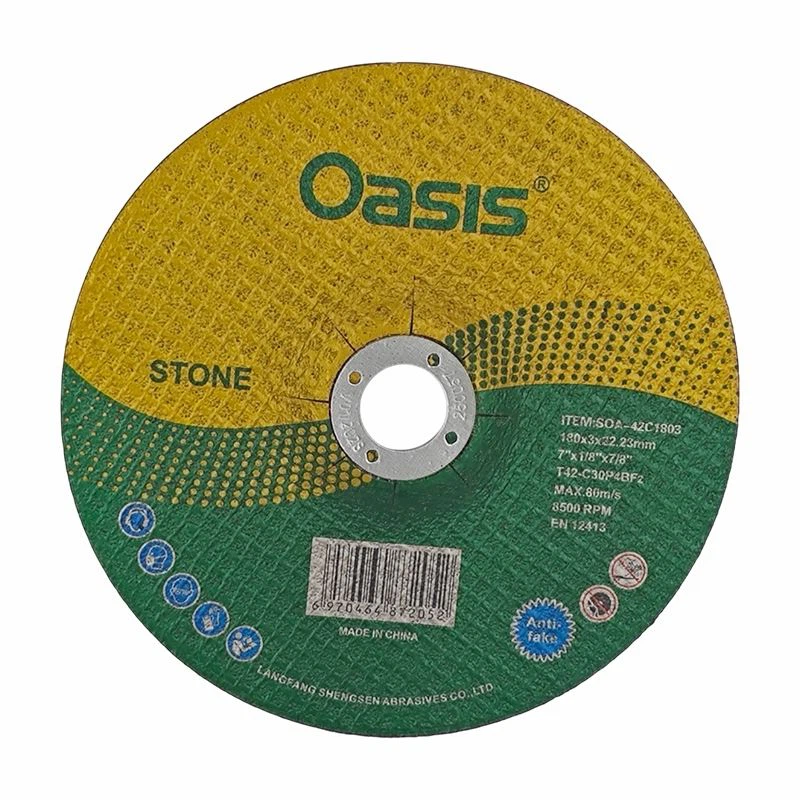
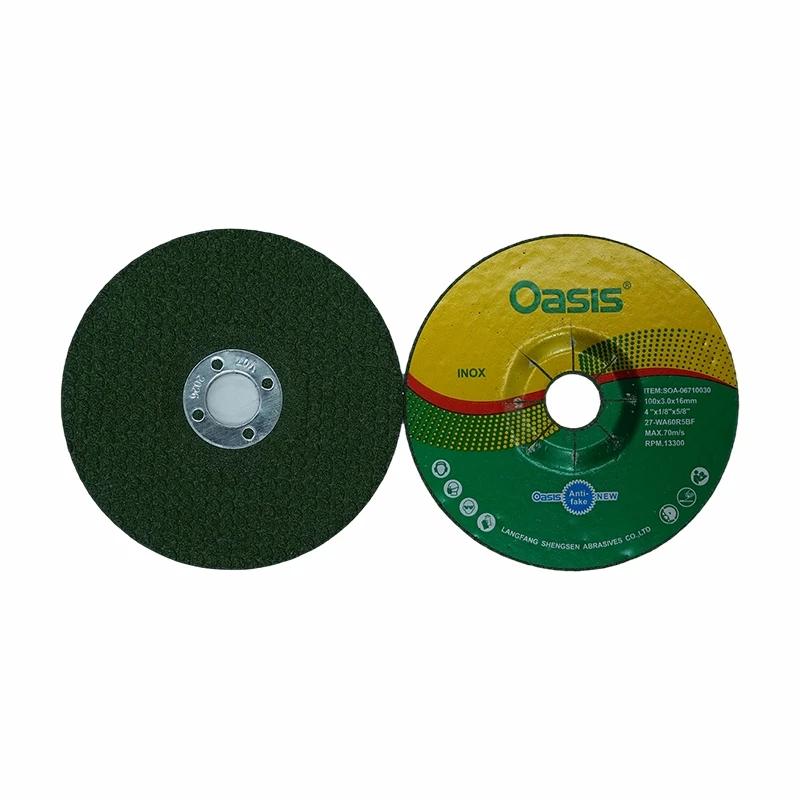
When it comes to dry grinding, ceramic straight wheels have some distinct advantages over other types of grinding wheels. For example, compared to Fish Scale Shaped Metal Grinding Disc, ceramic wheels generally offer better heat resistance and self-sharpening properties. Fish scale shaped metal grinding discs are often used for grinding metals, but they may not be as effective in high-temperature dry grinding applications.
In comparison to Silicon Carbide Grinding Disc, ceramic wheels are typically harder and more durable. Silicon carbide grinding discs are commonly used for grinding non-ferrous metals and hard materials, but they may wear out more quickly in dry grinding operations. Ceramic wheels, on the other hand, can maintain their cutting performance for a longer period of time, making them a more cost-effective choice in the long run.
Tips for Using Ceramic Straight Wheels in Dry Grinding
Here are some tips to help you get the most out of your ceramic straight wheels in dry grinding:
- Select the right wheel: Choose a wheel with the appropriate grit size, bond type, and wheel grade for your specific grinding application. Consult with a grinding expert or the wheel manufacturer if you're not sure which wheel to use.
- Prepare the workpiece: Make sure the workpiece is clean and free of any contaminants before grinding. This will help prevent wheel clogging and ensure a better grinding performance.
- Use the correct grinding parameters: Follow the recommended grinding pressure, speed, and feed rate for the wheel and workpiece. Adjust these parameters as needed based on the material being ground and the desired surface finish.
- Monitor the wheel: Regularly check the wheel for signs of wear, damage, or imbalance. If the wheel is worn or damaged, replace it immediately to ensure safe and efficient grinding.
- Maintain the grinding machine: Keep the grinding machine in good working condition by performing regular maintenance and lubrication. This will help ensure that the wheel rotates smoothly and accurately, resulting in better grinding performance.
Conclusion
In conclusion, ceramic straight wheels are a great choice for dry grinding applications. They offer excellent performance, durability, and self-sharpening properties, making them suitable for a wide range of industries and grinding tasks. By understanding the factors that affect their performance and following the tips I've shared, you can get the most out of your ceramic straight wheels and achieve high-quality grinding results.
If you're interested in purchasing Ceramic Straight Wheels for your dry grinding needs, I'd love to talk to you. Whether you have questions about the product, need help selecting the right wheel for your application, or want to discuss pricing and delivery options, don't hesitate to reach out. Let's work together to find the perfect grinding solution for your business.
References
- Norton Abrasives Handbook
- Grinding Technology: Theory and Applications of Machining with Abrasives by Stephen Malkin