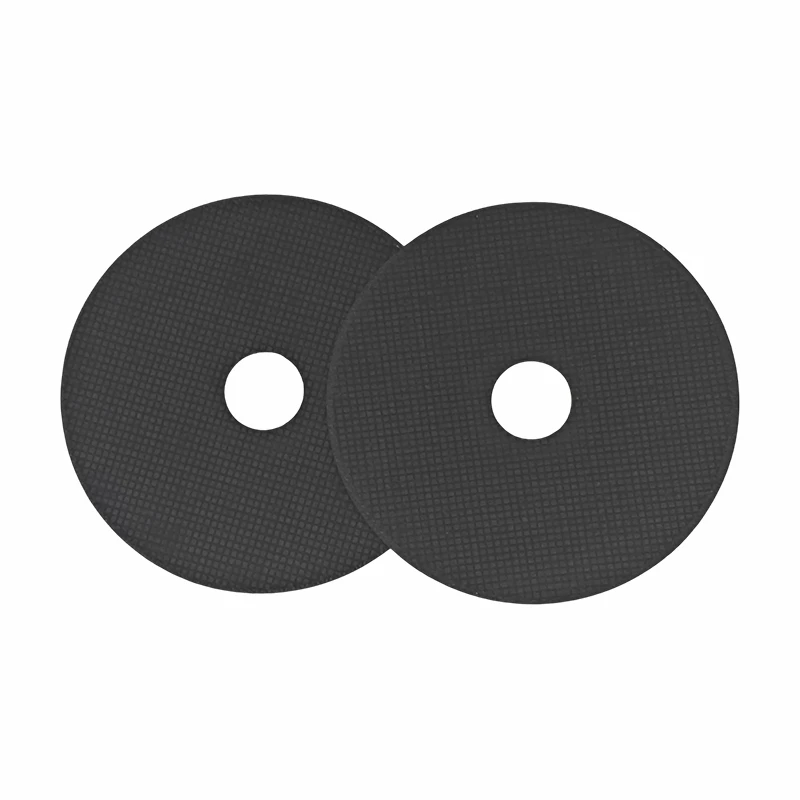
In the realm of precision manufacturing and metalworking, fine grinding stands as a critical process that demands tools of the highest quality and performance. Among the diverse range of grinding wheels available in the market, ceramic straight wheels have emerged as a preferred choice for many professionals due to their exceptional characteristics and capabilities. As a leading supplier of ceramic straight wheels, I am excited to delve into the intricacies of how these wheels perform in fine grinding applications.
Understanding Ceramic Straight Wheels
Ceramic straight wheels are crafted from advanced ceramic abrasives, which are engineered to offer superior hardness, toughness, and heat resistance compared to traditional abrasives. The straight wheel design, characterized by its flat, cylindrical shape, provides a large contact area with the workpiece, enabling efficient material removal and precise grinding. These wheels are commonly used in surface grinding, cylindrical grinding, and centerless grinding operations, where achieving a high-quality finish and tight tolerances is essential.
Key Performance Factors in Fine Grinding
When evaluating the performance of ceramic straight wheels in fine grinding, several key factors come into play. These factors not only determine the efficiency and effectiveness of the grinding process but also impact the quality of the finished workpiece.
Abrasive Grain Characteristics
The abrasive grains used in ceramic straight wheels play a crucial role in their performance. Ceramic abrasives are known for their sharp, angular shape, which allows for aggressive cutting and efficient material removal. The high hardness of ceramic grains also ensures long-lasting sharpness, reducing the need for frequent wheel dressing and increasing productivity. Additionally, the heat resistance of ceramic abrasives helps to prevent thermal damage to the workpiece, resulting in a better surface finish.
Bonding System
The bonding system used to hold the abrasive grains together in the wheel is another important factor. A strong and durable bond is essential to maintain the integrity of the wheel during grinding. Ceramic straight wheels typically use a vitrified bond, which offers excellent strength, heat resistance, and chemical stability. The vitrified bond also allows for precise control of the wheel's porosity, which affects the wheel's ability to self-sharpen and chip evacuation.
Wheel Structure
The structure of the ceramic straight wheel refers to the spacing between the abrasive grains and the amount of bond material. A well-designed wheel structure is crucial for achieving optimal grinding performance. A wheel with a dense structure is suitable for fine grinding operations where a high-quality finish is required, as it provides a large number of cutting points and minimizes surface roughness. On the other hand, a wheel with an open structure is better suited for applications where chip evacuation is a concern, such as grinding soft or ductile materials.
Cutting Speed and Feed Rate
The cutting speed and feed rate are critical parameters that affect the performance of ceramic straight wheels in fine grinding. The cutting speed refers to the speed at which the wheel rotates, while the feed rate refers to the speed at which the workpiece is fed into the wheel. Optimal cutting speed and feed rate settings depend on several factors, including the type of material being ground, the wheel's characteristics, and the desired surface finish. Setting the cutting speed and feed rate too high can result in excessive wheel wear, poor surface finish, and even damage to the workpiece. Conversely, setting them too low can lead to inefficient material removal and longer grinding times.
Advantages of Ceramic Straight Wheels in Fine Grinding
Ceramic straight wheels offer several advantages over other types of grinding wheels in fine grinding applications. These advantages make them a popular choice for professionals in a wide range of industries.
Superior Surface Finish
One of the primary advantages of ceramic straight wheels is their ability to produce a superior surface finish. The sharp, angular abrasive grains and the large contact area of the straight wheel design allow for precise material removal and minimal surface roughness. This results in a smooth, uniform surface finish that meets the strictest quality standards.
High Material Removal Rate
Ceramic straight wheels are capable of removing material at a high rate, thanks to their aggressive cutting action and efficient chip evacuation. This allows for faster grinding times and increased productivity, making them an ideal choice for high-volume production environments.
Long Wheel Life
The high hardness and wear resistance of ceramic abrasives, combined with the strong vitrified bond, result in a long wheel life. Ceramic straight wheels can withstand the rigors of continuous grinding operations without losing their cutting edge, reducing the need for frequent wheel changes and downtime.
Versatility
Ceramic straight wheels are highly versatile and can be used to grind a wide range of materials, including metals, alloys, ceramics, and composites. They are suitable for both rough and fine grinding applications, making them a valuable tool in any machining workshop.
Applications of Ceramic Straight Wheels in Fine Grinding
Ceramic straight wheels are used in a variety of fine grinding applications across different industries. Some of the common applications include:
Automotive Industry
In the automotive industry, ceramic straight wheels are used for grinding engine components, such as cylinder heads, crankshafts, and camshafts. These components require a high-quality surface finish and tight tolerances to ensure optimal performance and reliability.
Aerospace Industry
The aerospace industry demands the highest level of precision and quality in its components. Ceramic straight wheels are used for grinding turbine blades, landing gear components, and other critical parts to meet the strict requirements of the aerospace industry.
Tool and Die Making
In tool and die making, ceramic straight wheels are used for grinding cutting tools, dies, and molds. These tools require a sharp cutting edge and a high-quality surface finish to ensure accurate machining and long tool life.
Medical Device Manufacturing
The medical device manufacturing industry requires precision grinding to produce high-quality components, such as surgical instruments, implants, and dental tools. Ceramic straight wheels are used to achieve the smooth, precise surfaces required for these applications.
Comparison with Other Grinding Wheels
While ceramic straight wheels offer many advantages in fine grinding, it is important to compare them with other types of grinding wheels to determine the best choice for a specific application.
Aluminum Oxide Wheels
Aluminum oxide wheels are a common type of grinding wheel used in a variety of applications. They are relatively inexpensive and offer good general-purpose grinding performance. However, compared to ceramic straight wheels, aluminum oxide wheels have lower hardness and wear resistance, resulting in shorter wheel life and a lower material removal rate.
Silicon Carbide Wheels
Silicon carbide wheels are known for their high hardness and excellent cutting performance on non-ferrous metals, ceramics, and composites. However, they are not as effective as ceramic straight wheels when it comes to grinding ferrous metals. Silicon carbide wheels also tend to generate more heat during grinding, which can lead to thermal damage to the workpiece.
Diamond and Cubic Boron Nitride (CBN) Wheels
Diamond and CBN wheels are the most expensive type of grinding wheels, but they offer the highest level of performance and precision. These wheels are used for grinding extremely hard materials, such as carbide, ceramics, and high-speed steel. While diamond and CBN wheels can provide excellent results, they are not always necessary for fine grinding applications where ceramic straight wheels can offer a more cost-effective solution.
Conclusion
In conclusion, ceramic straight wheels are a high-performance tool that offers exceptional capabilities in fine grinding applications. Their superior surface finish, high material removal rate, long wheel life, and versatility make them a popular choice for professionals in a wide range of industries. As a supplier of ceramic straight wheels, I am committed to providing our customers with the highest quality products and technical support to ensure optimal performance and productivity.
If you are interested in learning more about our ceramic straight wheels or have any questions about fine grinding applications, please do not hesitate to contact us. We would be happy to discuss your specific requirements and provide you with a customized solution.
References
- "Grinding Technology: Theory and Applications of Machining with Abrasives" by Stephen Malkin
- "Handbook of Machining with Grinding Wheels" by I. S. Jawahir and W. B. Rowe
- "Advanced Abrasive Technology" by John C. Aurich, Thomas Kirsch, and Andreas Klink
For more information on other grinding products, you can visit the following links:
Contact us today to discuss your grinding needs and explore the benefits of our ceramic straight wheels.