

Selecting the appropriate arbor size for a cutting disc for metal is a crucial decision that can significantly impact the performance, safety, and efficiency of your cutting operations. As a supplier of cutting discs for metal, I understand the importance of this choice and am here to guide you through the process. In this blog post, I'll share insights on how to choose the right arbor size, ensuring that you make the most of your cutting tools and achieve optimal results.
Understanding the Arbor Size
The arbor size refers to the diameter of the hole in the center of the cutting disc that fits onto the arbor (shaft) of the cutting machine. It is a critical specification because it must match the arbor diameter of your cutting equipment. If the arbor size of the disc is too small, it won't fit onto the machine. Conversely, if it's too large, the disc may not be securely held, leading to dangerous vibrations, uneven cutting, and potential disc breakage.
Factors to Consider When Choosing the Arbor Size
1. Machine Compatibility
The first and most important factor is the arbor diameter of your cutting machine. This information is usually provided in the machine's user manual or can be measured directly. Common arbor sizes for metal cutting machines range from 5/8 inch (16 mm) to 1 inch (25.4 mm), but it's essential to confirm the exact size for your specific equipment.
For example, if you have a handheld angle grinder, it may typically have an arbor size of 5/8 inch (16 mm). On the other hand, larger stationary cutting machines might have a 1-inch (25.4 mm) arbor. Using a cutting disc with the correct arbor size ensures a proper fit and stable operation.
2. Cutting Application
The type of metal cutting application also plays a role in determining the arbor size. Different applications may require different cutting disc sizes and arbor configurations.
- Light-Duty Cutting: For light-duty tasks such as cutting thin sheets of metal or small metal components, a smaller arbor size and cutting disc may be sufficient. These applications often use handheld tools with smaller arbors, like 5/8 inch (16 mm).
- Heavy-Duty Cutting: Heavy-duty applications, such as cutting thick metal plates, structural steel, or pipes, may require a larger arbor size and a more robust cutting disc. Larger arbors can provide better stability and support for the disc during high-powered cutting operations.
3. Disc Size
The size of the cutting disc itself is related to the arbor size. Generally, larger cutting discs require larger arbor sizes to ensure proper balance and stability. As a rule of thumb, the arbor size should be proportionate to the diameter of the disc.
For instance, a 4.5-inch (115 mm) cutting disc is commonly used with a 5/8 inch (16 mm) arbor, while a 9-inch (230 mm) disc may require a 1-inch (25.4 mm) arbor. It's important to follow the manufacturer's recommendations for the specific disc size to ensure safe and efficient operation.
Common Arbor Sizes and Their Applications
5/8 inch (16 mm) Arbor
This is one of the most common arbor sizes for handheld angle grinders and smaller cutting machines. It is suitable for a wide range of light to medium-duty metal cutting applications, including:

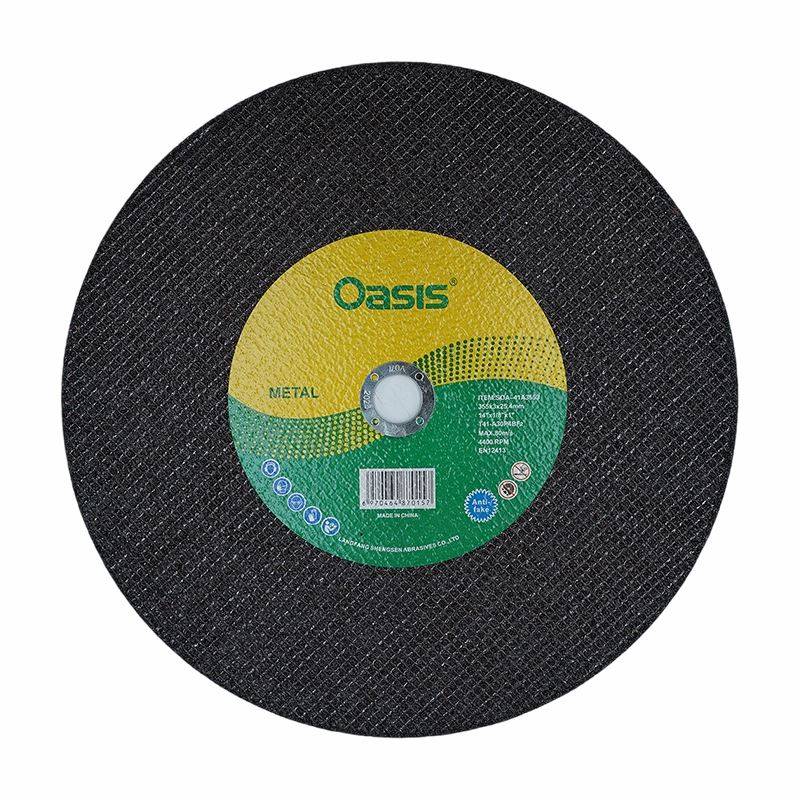
- Cutting thin metal sheets
- Trimming metal edges
- Cutting small metal rods and tubes
Alloy&stone Cutting Disc in this arbor size are often used for these types of applications, providing a versatile and cost-effective solution.
7/8 inch (22 mm) Arbor
The 7/8 inch (22 mm) arbor is less common but is used in some specialized cutting machines. It offers a balance between the 5/8 inch (16 mm) and 1-inch (25.4 mm) arbors, providing increased stability for slightly larger cutting discs.
1 inch (25.4 mm) Arbor
This larger arbor size is typically found on heavy-duty stationary cutting machines and some larger angle grinders. It is designed for cutting thick metal materials and performing high-powered cutting operations, such as:
- Cutting thick steel plates
- Cutting large pipes and structural steel
- Industrial metal fabrication
Rail Cutting Disc and Universal Cutting Disc with a 1-inch (25.4 mm) arbor are commonly used in these heavy-duty applications, offering durability and high cutting performance.
Ensuring a Proper Fit
Once you've determined the correct arbor size for your cutting machine and application, it's essential to ensure a proper fit between the disc and the arbor. Here are some tips to help you achieve this:
- Check the Arbor Hole: Before installing the cutting disc, inspect the arbor hole to ensure it is clean, free of debris, and the correct size. Any dirt or damage to the hole can affect the fit and performance of the disc.
- Use Arbor Washers: Arbor washers are used to provide a smooth and even surface between the disc and the arbor nut. They help to distribute the clamping force evenly and prevent the disc from wobbling during operation. Make sure to use the appropriate size and type of arbor washers for your application.
- Tighten the Arbor Nut Properly: When installing the cutting disc, tighten the arbor nut securely but not overly tight. Over-tightening can damage the disc or the arbor, while under-tightening can cause the disc to loosen during operation, leading to dangerous vibrations and potential disc breakage.
Safety Considerations When Choosing the Arbor Size
Safety should always be your top priority when working with cutting discs for metal. Using a cutting disc with the incorrect arbor size can pose significant risks, including:
- Disc Breakage: A disc that is not properly seated on the arbor can break during operation, sending sharp fragments flying in all directions. This can cause serious injuries to the operator and bystanders.
- Vibrations and Instability: An improper fit between the disc and the arbor can result in excessive vibrations, which can make the cutting operation difficult to control and increase the risk of accidents.
- Reduced Cutting Performance: A poorly fitting disc may not cut efficiently, leading to longer cutting times, increased wear on the disc, and a lower quality of cut.
To ensure your safety, always follow the manufacturer's recommendations for arbor size and installation procedures. If you're unsure about the correct arbor size for your application, consult with a qualified professional or contact our technical support team.
Conclusion
Choosing the right arbor size for a cutting disc for metal is a critical step in achieving optimal performance, safety, and efficiency in your cutting operations. By considering factors such as machine compatibility, cutting application, and disc size, you can select the appropriate arbor size for your specific needs. Remember to ensure a proper fit between the disc and the arbor, and always prioritize safety when working with cutting tools.
If you're in the market for high-quality cutting discs for metal, we offer a wide range of products in various arbor sizes to meet your requirements. Our Alloy&stone Cutting Disc, Rail Cutting Disc, and Universal Cutting Disc are designed to provide excellent cutting performance and durability. Contact us today to discuss your cutting needs and explore our product range. We're here to help you make the right choice and ensure your cutting operations are a success.
References
- "Cutting Tools Handbook," Industrial Press Inc.
- "Safety Guidelines for Working with Cutting Discs," Occupational Safety and Health Administration (OSHA)