

Determining the right amount of polish to use with a Pure Wool Polishing Pad is crucial for achieving optimal results in various polishing applications. As a supplier of Pure Wool Polishing Pad, I've encountered numerous customers seeking guidance on this matter. In this blog post, I'll share some insights and practical tips to help you make the most of your polishing process.
Understanding the Role of the Pure Wool Polishing Pad
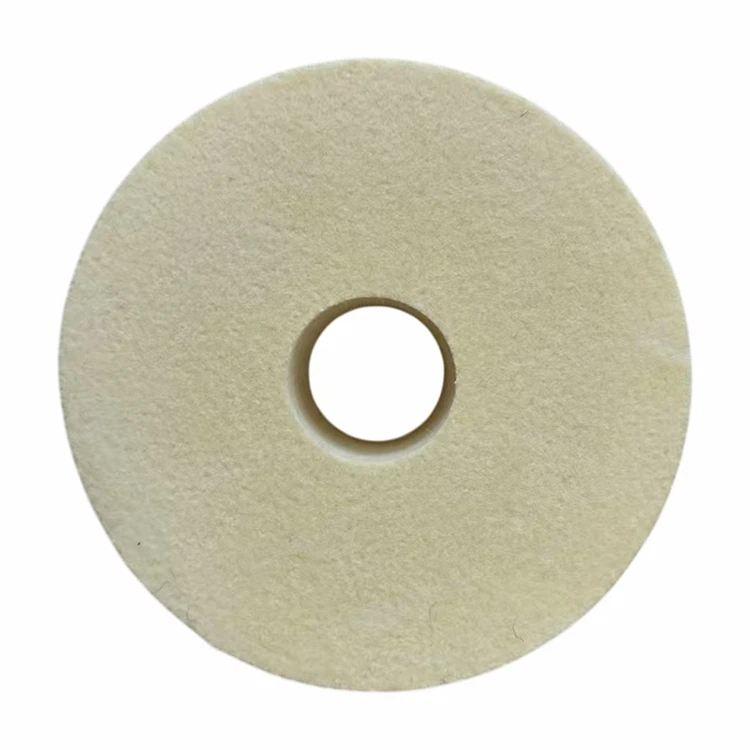
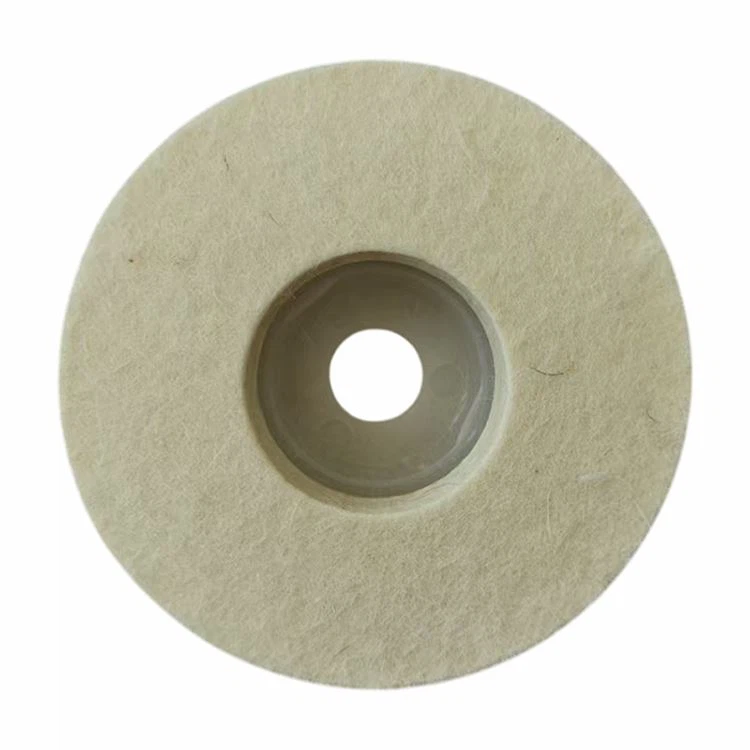
Before delving into the amount of polish, it's essential to understand the characteristics and functions of a Pure Wool Polishing Pad. Pure wool is a natural and highly effective material for polishing. Its unique fiber structure provides excellent absorbency, allowing it to hold and distribute polish evenly across the surface being polished. The softness of wool also ensures that it won't scratch or damage delicate surfaces, making it suitable for a wide range of materials, including metals, plastics, and glass.
Factors Affecting the Amount of Polish
Several factors influence the amount of polish you should use with a Pure Wool Polishing Pad. These factors include the type of surface, the condition of the surface, the type of polish, and the desired finish.
Type of Surface
Different surfaces have different requirements when it comes to polishing. For example, a smooth and clean surface may require less polish compared to a rough or dirty surface. Metals such as stainless steel or aluminum may need a specific type of polish formulated for their properties, and the amount used can vary based on the metal's hardness and finish. Non - metallic surfaces like plastics or glass also have their own polishing needs. Softer plastics may need a gentler polish and a smaller amount to avoid over - polishing and damage.
Condition of the Surface
If the surface has deep scratches, oxidation, or heavy dirt, more polish may be required to achieve a satisfactory finish. In such cases, the initial polishing steps may involve using a more abrasive polish and a larger amount to remove the imperfections. As the surface improves, you can gradually reduce the amount of polish and switch to a finer - grade polish for the final finish.
Type of Polish
There are various types of polishes available in the market, including abrasive polishes, non - abrasive polishes, and compound polishes. Abrasive polishes are used to remove scratches and rough surfaces, and they usually require a bit more product to be effective. Non - abrasive polishes are mainly for enhancing the shine and protecting the surface, and they can be used in smaller quantities. Compound polishes combine the functions of both abrasive and non - abrasive polishes, and the amount used depends on the specific compound and the surface condition.
Desired Finish
The final look you want to achieve also affects the amount of polish. A high - gloss finish may require multiple applications of polish and a more generous amount to build up the shine. A satin or matte finish, on the other hand, may need less polish to avoid over - polishing and creating a shiny appearance.
Practical Tips for Determining the Right Amount of Polish
Now that we've discussed the factors influencing the amount of polish, here are some practical tips to help you determine the right quantity.
Start Small
It's always a good idea to start with a small amount of polish. Apply a pea - sized or dime - sized amount of polish to the center of the Pure Wool Polishing Pad. This allows you to assess how the polish spreads and works on the surface without using too much. You can always add more polish if needed.
Observe the Spread
As you start polishing, observe how the polish spreads across the surface. If the polish is not spreading evenly or is leaving streaks, it may indicate that you need to add a little more. However, if the polish is too thick and is not being absorbed by the pad or is causing the pad to become overly saturated, you may be using too much.
Test on a Small Area
Before polishing the entire surface, test the polish on a small, inconspicuous area. This gives you an opportunity to see how the polish and the pad interact with the surface and to adjust the amount of polish accordingly. You can evaluate the results in terms of scratch removal, shine, and any potential damage to the surface.
Consider the Pad's Absorbency
The absorbency of the Pure Wool Polishing Pad plays a significant role in determining the amount of polish. A dry pad can hold more polish initially, but as it becomes saturated, it may not be able to absorb additional polish effectively. If the pad starts to drip polish, it's a sign that you've used too much. You can squeeze out the excess polish from the pad or use a clean, dry part of the pad.
Using the Right Amount for Different Applications
Let's look at some specific applications and how to determine the right amount of polish for each.
Metal Polishing
When polishing metals, start with a small amount of an appropriate metal polish on the Premium Wool Polishing Wheel. For light scratches or to enhance the shine of a relatively smooth metal surface, a pea - sized amount may be sufficient. If the metal has deep scratches or heavy oxidation, you may need to increase the amount slightly and work the polish into the surface more vigorously. As you progress through the polishing process, reduce the amount of polish for the final buffing to achieve a mirror - like finish.
Plastic Polishing
Plastic surfaces are more delicate, so it's crucial to use a small amount of a non - abrasive plastic polish. A dime - sized amount on the Pure Wool Polishing Pad is usually a good starting point. Apply the polish gently in circular motions, and if the surface looks dull or the polish is not spreading well, add a tiny bit more. Avoid using too much polish, as it can cause the plastic to become sticky or damaged.
Glass Polishing
For glass polishing, a small amount of a glass - specific polish is recommended. Start with a small dot of polish on the pad and spread it evenly over the glass surface. Glass is a smooth surface, and too much polish can make the surface slippery and difficult to work on. As you polish, you can add a little more polish if needed, but be careful not to overdo it.
Maintaining the Pure Wool Polishing Pad
Proper maintenance of the Pure Wool Polishing Pad is also important for determining the right amount of polish. After each use, clean the pad thoroughly to remove any remaining polish and debris. You can use a mild detergent and warm water to wash the pad, and then let it dry completely. A clean pad will have better absorbency and will be more effective in distributing the polish evenly.
Conclusion
Determining the right amount of polish to use with a Pure Wool Polishing Pad is a combination of understanding the surface, the polish, and the pad itself. By considering the factors mentioned above and following the practical tips, you can achieve excellent polishing results. Whether you are a professional polisher or a DIY enthusiast, getting the amount of polish right will save you time, money, and ensure a high - quality finish.
If you are interested in purchasing our Pure Wool Polishing Pad, Premium Wool Polishing Wheel, or Machinery Wool Felt Wheel, please feel free to contact us for further details and to discuss your specific requirements. We are here to help you find the best solutions for your polishing needs.
References
- "Polishing Techniques for Different Materials" - A guidebook on polishing various surfaces and the associated best practices.
- Manufacturer's guidelines for different types of polishes and polishing pads.
- Industry research on the properties of wool and its effectiveness in polishing applications.