

As a supplier of Rail Cutting Discs, I understand the frustration and potential safety hazards that come with a cutting disc cracking during use. Cracking not only affects the efficiency of your work but also poses a significant risk to the operator. In this blog, I'll share some practical tips on how to prevent rail cutting discs from cracking, ensuring a safer and more productive cutting experience.
Understanding the Causes of Cracking
Before we delve into prevention strategies, it's essential to understand why cutting discs crack. Several factors can contribute to this issue:
- Overloading: Applying too much pressure during cutting can cause excessive stress on the disc, leading to cracks. This often happens when operators try to cut through materials that are too thick or hard for the disc's capacity.
- Incorrect Speed: Using the cutting disc at a speed that is either too high or too low can also lead to cracking. Each disc is designed to operate within a specific speed range, and deviating from this can cause uneven wear and stress on the disc.
- Improper Handling: Dropping or mishandling the cutting disc can cause internal damage, making it more prone to cracking during use. Additionally, using a damaged or worn-out disc can increase the risk of cracking.
- Environmental Factors: Extreme temperatures, humidity, and exposure to chemicals can all affect the integrity of the cutting disc. For example, storing the disc in a damp environment can cause rust and corrosion, weakening the disc and making it more likely to crack.
Prevention Strategies
Now that we understand the causes of cracking, let's explore some effective prevention strategies:
1. Choose the Right Cutting Disc
Selecting the appropriate cutting disc for the job is crucial. Consider the following factors when choosing a disc:
- Material Compatibility: Ensure that the cutting disc is designed for use with the specific material you are cutting. Different materials require different types of discs, so using the wrong disc can lead to cracking and other issues. For example, if you're cutting rails, you might want to consider our Ceramic Corundum Cutting Disc, which is specifically designed for high-speed cutting of metals.
- Disc Size and Thickness: The size and thickness of the cutting disc should be appropriate for the cutting equipment and the material being cut. Using a disc that is too small or too thin can cause it to overheat and crack, while using a disc that is too large or too thick can make it difficult to control and increase the risk of accidents.
- Quality and Brand: Invest in high-quality cutting discs from reputable brands. Cheaper, low-quality discs may be more prone to cracking and other issues, so it's worth spending a little extra to ensure the safety and efficiency of your work.
2. Follow the Manufacturer's Instructions
Always read and follow the manufacturer's instructions for the cutting disc and the cutting equipment. This includes information on proper installation, operating speed, and maintenance. Ignoring these instructions can increase the risk of cracking and other safety hazards.
- Installation: Make sure the cutting disc is installed correctly and securely on the cutting equipment. A loose or improperly installed disc can cause vibrations and uneven wear, leading to cracking.
- Operating Speed: Use the cutting disc at the recommended speed specified by the manufacturer. Operating the disc at a speed that is too high or too low can cause excessive stress and wear on the disc, increasing the risk of cracking.
- Maintenance: Regularly inspect the cutting disc for signs of wear, damage, or cracking. Replace the disc if it shows any signs of damage or if it has reached the end of its useful life. Additionally, keep the cutting equipment clean and well-maintained to ensure optimal performance.
3. Use Proper Cutting Techniques
Using proper cutting techniques can help prevent cracking and ensure a smooth, efficient cutting process. Here are some tips to keep in mind:
- Apply Even Pressure: When cutting, apply even pressure to the cutting disc to avoid overloading it. Avoid pushing too hard or forcing the disc through the material, as this can cause excessive stress and lead to cracking.
- Use a Guide or Template: Using a guide or template can help keep the cutting disc on track and prevent it from wandering, reducing the risk of uneven wear and cracking.
- Cool the Disc: During extended cutting sessions, it's important to cool the cutting disc to prevent overheating. You can do this by periodically stopping the cutting process and allowing the disc to cool down, or by using a coolant or lubricant to reduce friction and heat.
4. Store the Cutting Disc Properly
Proper storage of the cutting disc is essential to maintain its integrity and prevent cracking. Here are some tips for storing the disc:

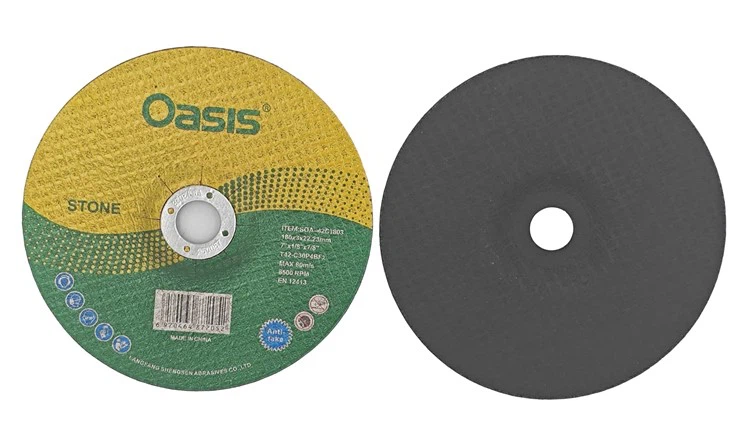
- Keep it Dry: Store the cutting disc in a dry, cool place to prevent rust and corrosion. Avoid storing the disc in a damp or humid environment, as this can cause damage to the disc and increase the risk of cracking.
- Protect it from Damage: Keep the cutting disc away from sharp objects, heavy machinery, and other sources of damage. Store the disc in a protective case or container to prevent it from being scratched, dented, or otherwise damaged.
- Rotate the Stock: If you have multiple cutting discs, rotate the stock regularly to ensure that all discs are used evenly and do not sit in storage for too long. This can help prevent the discs from drying out, cracking, or becoming brittle over time.
5. Train and Educate Operators
Proper training and education of operators are essential to prevent cracking and other safety hazards. Make sure all operators are familiar with the cutting equipment and the cutting disc, and that they understand the importance of following proper cutting techniques and safety procedures.
- Safety Training: Provide comprehensive safety training to all operators, including information on the proper use of the cutting equipment, the risks associated with cutting discs, and the importance of wearing personal protective equipment (PPE).
- Cutting Techniques Training: Train operators on proper cutting techniques, including how to apply even pressure, use a guide or template, and cool the cutting disc. This can help prevent cracking and ensure a smooth, efficient cutting process.
- Regular Refresher Training: Conduct regular refresher training sessions to keep operators up-to-date on the latest safety procedures and cutting techniques. This can help reinforce good habits and prevent complacency.
Conclusion
Preventing rail cutting discs from cracking requires a combination of proper selection, installation, operation, and maintenance. By following the tips outlined in this blog, you can reduce the risk of cracking and ensure a safer, more productive cutting experience.
If you have any questions or need further assistance in choosing the right cutting disc for your needs, please don't hesitate to contact us. We're here to help you find the best solutions for your cutting applications.