

When it comes to choosing the right wool felt wheel for a project, there are several factors that need to be carefully considered. As a supplier of high - quality wool felt wheels, I've witnessed firsthand the impact that the right choice can have on the success of a project. In this blog post, I'll share some insights on how to make an informed decision.
Understanding the Basics of Wool Felt Wheels
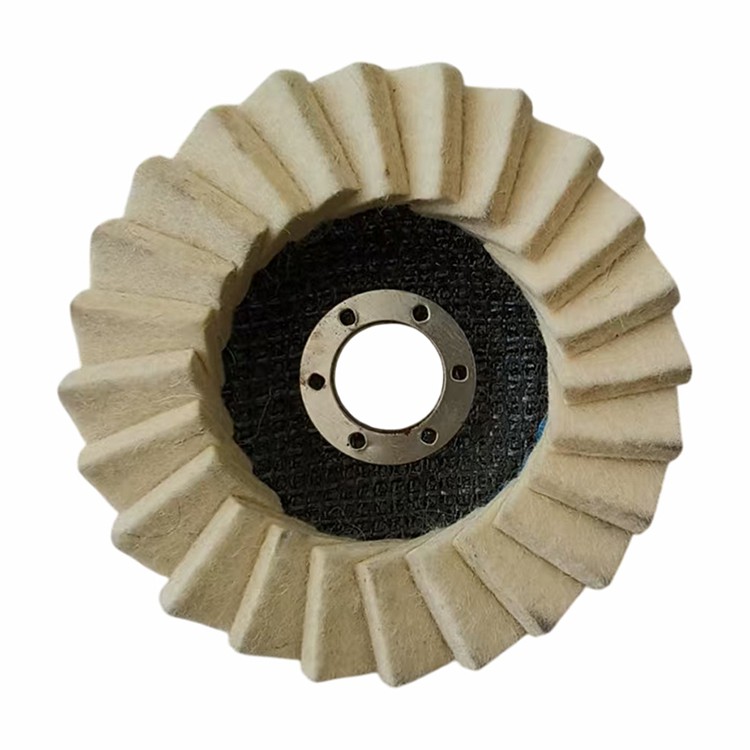
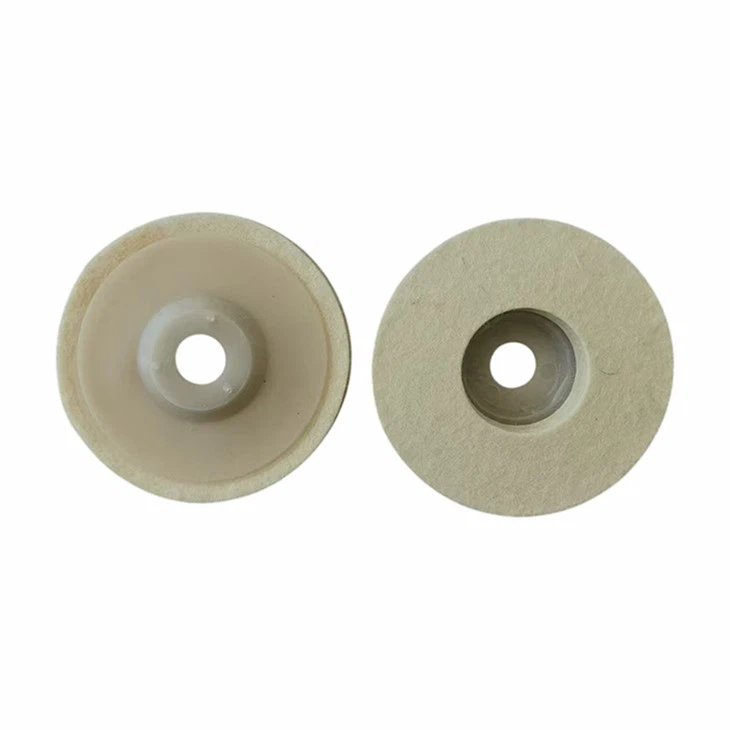
Wool felt wheels are versatile tools used in a wide range of industries, including metalworking, woodworking, jewelry making, and automotive detailing. They are made from compressed wool fibers, which provide a soft yet durable surface for polishing, buffing, and finishing. The unique properties of wool, such as its natural absorbency and ability to hold polishing compounds, make it an ideal material for these applications.
Consider the Project Requirements
The first step in choosing the right wool felt wheel is to understand the specific requirements of your project. Consider the following aspects:
Material to be Polished
Different materials require different levels of abrasion and polishing. For example, if you're working on a soft metal like gold or silver, you'll need a finer - grained wool felt wheel to avoid scratching the surface. On the other hand, if you're polishing a harder material like stainless steel or cast iron, a coarser wheel may be more appropriate.
Surface Finish
The desired surface finish is another crucial factor. If you're aiming for a high - gloss finish, you'll need a wheel that can apply a consistent and even pressure. A wheel with a tight fiber structure is often better for achieving a smooth, mirror - like finish. For a more matte or satin finish, a looser - textured wheel may be used.
Size and Shape
The size and shape of the wool felt wheel should match the size and shape of the workpiece. For small, intricate parts, a smaller wheel with a narrow profile may be necessary to reach all the corners and edges. Larger workpieces may require a larger wheel to cover more surface area quickly.
Quality and Type of Wool
The quality of the wool used in the felt wheel has a significant impact on its performance. Here are some types of wool felt wheels available in the market:
Pure Wool Polishing Pad
As the name suggests, pure wool polishing pads are made entirely from natural wool fibers. These pads offer excellent absorbency and are ideal for applying polishing compounds evenly. They are often used in high - end jewelry making and precision metalworking applications where a fine finish is required.
Premium Wool Polishing Wheel
Premium wool polishing wheels are made from high - quality wool that has been carefully selected and processed. They are more durable and have a longer lifespan compared to standard wool felt wheels. These wheels are suitable for heavy - duty polishing tasks in industries such as automotive and industrial manufacturing.
Wool Felt Wheel
Standard wool felt wheels are a more economical option. They are made from a blend of wool fibers and may be suitable for general - purpose polishing and buffing tasks. While they may not offer the same level of performance as pure or premium wool wheels, they can still provide satisfactory results for many projects.
Compatibility with Polishing Compounds
The wool felt wheel should be compatible with the polishing compounds you plan to use. Different compounds have different chemical compositions and abrasive properties. Some compounds are designed for cutting and removing scratches, while others are for finishing and adding shine. Make sure to choose a wheel that can hold the compound effectively and distribute it evenly across the surface of the workpiece.
Durability and Longevity
Investing in a durable wool felt wheel can save you money in the long run. A high - quality wheel will resist wear and tear, maintaining its shape and performance over time. Look for wheels that are well - made with tightly packed fibers and a strong construction. Additionally, proper care and maintenance, such as cleaning the wheel after each use and storing it in a dry place, can extend its lifespan.
Supplier Reputation
As a wool felt wheel supplier, I understand the importance of reputation. When choosing a supplier, look for one with a proven track record of providing high - quality products. Read customer reviews and testimonials to get an idea of the supplier's reliability and the quality of their wheels. A reputable supplier will also offer technical support and guidance to help you choose the right wheel for your project.
Cost - Effectiveness
While it's important to invest in a high - quality wool felt wheel, cost is also a consideration. Compare the prices of different wheels from various suppliers, taking into account the quality, durability, and performance. Sometimes, a slightly more expensive wheel may offer better value in the long run due to its longer lifespan and superior performance.
Making the Right Choice
To summarize, choosing the right wool felt wheel for a project involves a careful assessment of the project requirements, the quality of the wool, compatibility with polishing compounds, durability, supplier reputation, and cost - effectiveness. By considering these factors, you can ensure that you select a wheel that will meet your needs and deliver the desired results.
If you're still unsure which wool felt wheel is right for your project, don't hesitate to reach out. Our team of experts is always ready to assist you in making the best choice. Whether you're a professional in the industry or a hobbyist working on a DIY project, we can provide you with the information and support you need. Contact us to start the procurement process and discuss your specific requirements. We look forward to helping you find the perfect wool felt wheel for your project.
References
- "Wool Felt in Industrial Applications" - Textile Research Journal
- "Polishing Techniques for Different Metals" - Metalworking Magazine
- "Choosing the Right Abrasive Tools" - Manufacturing Technology Handbook