

A cutting disc inox, also known as a stainless - steel cutting disc, is a specialized tool designed for cutting through stainless - steel materials. As a cutting disc inox supplier, I have in - depth knowledge about how these discs work and their significance in various industries.
Structure and Composition of Cutting Disc Inox
The first step in understanding how a cutting disc inox works is to look at its structure and composition. These discs are typically made up of a combination of abrasive grains and a bonding agent. The abrasive grains are the key components responsible for cutting. In the case of cutting stainless steel, the most commonly used abrasive grains are aluminum oxide or silicon carbide.
Aluminum oxide is a popular choice because of its high hardness and durability. It can withstand the high temperatures generated during the cutting process without losing its cutting ability. Silicon carbide, on the other hand, is known for its sharpness and is more suitable for cutting hard and brittle materials. The bonding agent holds the abrasive grains together and gives the disc its shape and strength. It can be made of resin, vitrified, or metal, depending on the application and the type of cutting disc.
The Cutting Process
When a cutting disc inox is used, it is mounted on a cutting machine, such as an angle grinder. The machine rotates the disc at a high speed, usually ranging from 3000 to 13000 revolutions per minute (RPM). As the disc comes into contact with the stainless - steel material, the abrasive grains on the surface of the disc start to grind and remove small particles of the metal.
The high - speed rotation of the disc creates friction between the abrasive grains and the stainless steel. This friction generates heat, which softens the metal slightly, making it easier for the abrasive grains to cut through. However, excessive heat can cause the stainless steel to warp or change its properties, so it is important to use a disc that can dissipate heat effectively.
During the cutting process, the bonding agent plays a crucial role. As the abrasive grains wear down, the bonding agent releases the dull grains and exposes new, sharp grains to the cutting surface. This self - sharpening mechanism ensures that the disc maintains its cutting efficiency throughout its lifespan.
Factors Affecting the Cutting Performance
Several factors can affect the cutting performance of a cutting disc inox. One of the most important factors is the speed of rotation. If the disc rotates too slowly, it may not generate enough friction to cut through the stainless steel effectively. On the other hand, if the speed is too high, it can cause the disc to overheat and wear out quickly.
The pressure applied during the cutting process also matters. Applying too much pressure can cause the disc to break or wear out prematurely. It is recommended to apply a steady and moderate pressure to ensure a smooth and efficient cut.
The quality of the stainless - steel material itself can also impact the cutting performance. Stainless steel with a higher carbon content or more impurities may be more difficult to cut. In such cases, a disc with a more aggressive abrasive or a stronger bonding agent may be required.
Different Types of Cutting Disc Inox and Their Applications
There are several types of cutting disc inox available in the market, each designed for specific applications.
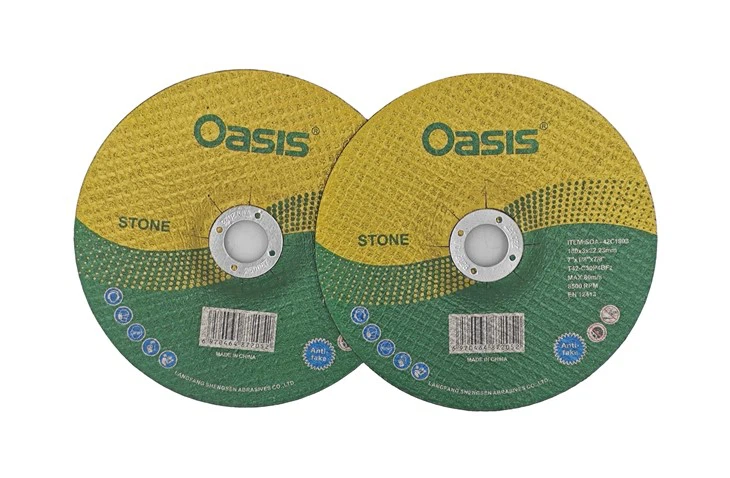
Alloy&stone Cutting Disc
The Alloy&stone Cutting Disc is a versatile option that can be used for cutting not only stainless steel but also other alloys and stone materials. It is suitable for general - purpose cutting tasks in construction, metal fabrication, and DIY projects. This type of disc usually has a medium - grit abrasive, which provides a good balance between cutting speed and surface finish.
Universal Cutting Disc
The Universal Cutting Disc is designed to work with a wide range of materials, including stainless steel, mild steel, and non - ferrous metals. It is a popular choice for professionals who need a single disc for multiple cutting tasks. The universal disc often has a unique abrasive formulation that can adapt to different materials, ensuring consistent cutting performance.
Diamond Cutting Disc
The Diamond Cutting Disc is the most advanced type of cutting disc inox. It uses diamond particles as the abrasive, which are extremely hard and can cut through the toughest stainless - steel materials with ease. Diamond cutting discs are commonly used in high - precision applications, such as in the jewelry industry or for cutting thick stainless - steel pipes.
Safety Precautions
When using a cutting disc inox, safety should always be the top priority. Operators should wear appropriate personal protective equipment (PPE), including safety glasses, gloves, and a dust mask. The cutting machine should be properly maintained to ensure its safe operation.
Before starting the cutting process, it is important to check the disc for any signs of damage, such as cracks or chips. A damaged disc can break during operation and cause serious injuries. Also, the disc should be installed correctly on the cutting machine, following the manufacturer's instructions.
Advantages of Using Our Cutting Disc Inox
As a cutting disc inox supplier, we offer high - quality discs that are designed to meet the diverse needs of our customers. Our discs are made from premium - grade abrasive materials and bonding agents, ensuring long - lasting performance and excellent cutting efficiency.
We have a strict quality control system in place to ensure that each disc meets the highest standards. Our R & D team is constantly working on improving the design and performance of our cutting discs, incorporating the latest technological advancements.
In addition, we offer a wide range of cutting disc inox products, including the Alloy&stone Cutting Disc, Universal Cutting Disc, and Diamond Cutting Disc. Whether you are a professional in the construction industry or a DIY enthusiast, we have the right disc for your needs.
Contact Us for Purchase and Negotiation
If you are interested in our cutting disc inox products, we invite you to contact us for purchase and negotiation. We are committed to providing you with the best products at competitive prices and excellent customer service. Whether you need a small quantity for a personal project or a large order for your business, we can meet your requirements.

References
- ASM Handbook Committee. ASM Handbook, Volume 6: Welding, Brazing, and Soldering. ASM International, 1993.
- Schey, J. A. Introduction to Manufacturing Processes. McGraw - Hill, 2000.
- Kalpakjian, S., & Schmid, S. R. Manufacturing Engineering and Technology. Pearson, 2014.