

As a seasoned supplier of alloy cutting wheels, I've witnessed firsthand the pivotal role that grain size plays in determining the performance of these essential tools. In the world of metalworking and fabrication, the choice of an alloy cutting wheel can significantly impact the efficiency, precision, and quality of the cutting process. Today, I'll delve into the intricate relationship between grain size and the performance of alloy cutting wheels, shedding light on how this seemingly small factor can make a big difference.
Understanding Grain Size in Alloy Cutting Wheels
Before we explore the effects of grain size on performance, let's first understand what grain size means in the context of alloy cutting wheels. The grain size refers to the average diameter of the abrasive particles embedded in the wheel. These particles are responsible for cutting through the material, and their size can vary significantly depending on the intended application of the cutting wheel.
Alloy cutting wheels typically come in a range of grain sizes, from coarse to fine. Coarse grains are larger in diameter and are designed for rapid material removal, while fine grains are smaller and offer a smoother finish and greater precision. The choice of grain size depends on several factors, including the type of material being cut, the desired cutting speed, and the quality of the finish required.
Impact of Grain Size on Cutting Speed
One of the most significant ways in which grain size affects the performance of an alloy cutting wheel is through its impact on cutting speed. Coarse-grained cutting wheels are generally more aggressive and can remove material at a faster rate than fine-grained wheels. This is because the larger abrasive particles have a greater cutting edge and can penetrate the material more easily, allowing for quicker removal of chips and debris.
For applications where speed is of the essence, such as rough cutting or heavy-duty fabrication, coarse-grained alloy cutting wheels are often the preferred choice. They can quickly reduce the size of the workpiece and prepare it for further processing, saving time and increasing productivity. However, it's important to note that while coarse-grained wheels offer faster cutting speeds, they may also produce a rougher finish and generate more heat, which can lead to increased wear on the wheel and the workpiece.
On the other hand, fine-grained cutting wheels are better suited for applications that require precision and a smooth finish. The smaller abrasive particles provide a more controlled cutting action, resulting in a cleaner cut with less burrs and roughness. While fine-grained wheels may take longer to cut through the material, they offer greater accuracy and are ideal for tasks such as finishing cuts, beveling, and shaping.
Influence of Grain Size on Surface Finish
In addition to cutting speed, grain size also has a significant impact on the surface finish of the workpiece. As mentioned earlier, coarse-grained cutting wheels tend to produce a rougher finish due to the larger cutting edge of the abrasive particles. This can be acceptable for applications where a smooth finish is not critical, such as in structural steel fabrication or general metalworking.
However, for applications that require a high-quality surface finish, such as in the automotive, aerospace, or precision engineering industries, fine-grained cutting wheels are essential. The smaller abrasive particles create a finer cutting action, resulting in a smoother surface with fewer scratches and imperfections. This not only improves the aesthetic appearance of the workpiece but also enhances its functionality and durability.
Effect of Grain Size on Wheel Wear
Another important consideration when choosing an alloy cutting wheel is the effect of grain size on wheel wear. Coarse-grained wheels tend to wear out more quickly than fine-grained wheels due to the larger cutting forces involved in the cutting process. The larger abrasive particles are more likely to break off or become dull, reducing the cutting efficiency of the wheel and requiring more frequent replacements.
In contrast, fine-grained cutting wheels are more resistant to wear and can last longer than their coarse-grained counterparts. The smaller abrasive particles are less likely to break off or become dull, allowing the wheel to maintain its cutting performance for a longer period of time. This not only reduces the cost of wheel replacement but also minimizes downtime and increases productivity.
Choosing the Right Grain Size for Your Application
Given the significant impact of grain size on the performance of alloy cutting wheels, it's crucial to choose the right grain size for your specific application. Here are some factors to consider when making your decision:
- Material Type: Different materials require different grain sizes for optimal cutting performance. For example, softer materials such as aluminum and brass may require a finer grain size to prevent smearing and achieve a smooth finish, while harder materials such as stainless steel and titanium may require a coarser grain size for efficient material removal.
- Cutting Speed: If speed is your primary concern, a coarse-grained cutting wheel may be the best choice. However, if precision and a smooth finish are more important, a fine-grained wheel may be more suitable.
- Surface Finish Requirements: Consider the desired surface finish of the workpiece. If a high-quality finish is required, a fine-grained cutting wheel is essential. If a rougher finish is acceptable, a coarse-grained wheel may be sufficient.
- Wheel Wear: Take into account the expected lifespan of the cutting wheel. If you need a wheel that can last longer and require fewer replacements, a fine-grained wheel may be a better investment.
Our Product Range
At our company, we offer a wide range of alloy cutting wheels with different grain sizes to meet the diverse needs of our customers. Whether you're looking for a coarse-grained wheel for rapid material removal or a fine-grained wheel for precision cutting and finishing, we have the perfect solution for you.
Some of our popular products include:
- Diamond Cutting Disc: Ideal for cutting through hard materials such as concrete, masonry, and ceramics, our diamond cutting discs feature a high-quality diamond abrasive that provides exceptional cutting performance and durability.
- Ceramic Corundum Cutting Disc: Our ceramic corundum cutting discs are designed for high-speed cutting of ferrous and non-ferrous metals. The ceramic corundum abrasive offers excellent heat resistance and self-sharpening properties, ensuring long-lasting performance and a smooth finish.
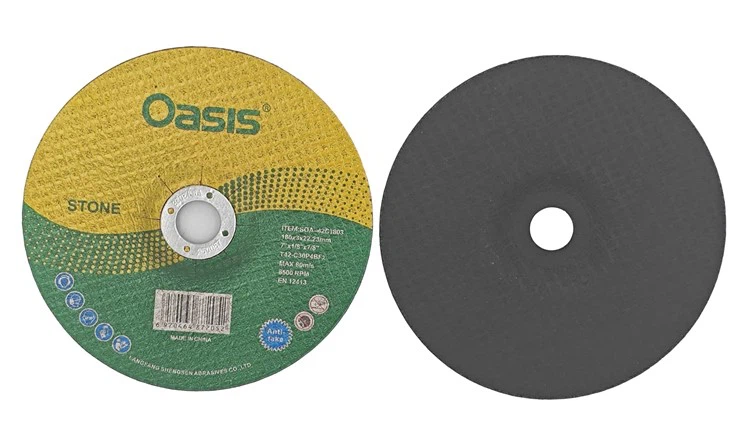
- Alloy&stone Cutting Disc: Suitable for cutting both alloy and stone materials, our alloy&stone cutting discs are versatile and reliable. They feature a special abrasive formulation that provides fast and efficient cutting, making them ideal for a wide range of applications.
Conclusion
In conclusion, the grain size of an alloy cutting wheel plays a crucial role in determining its performance. Coarse-grained wheels offer faster cutting speeds and are ideal for rough cutting and heavy-duty applications, while fine-grained wheels provide greater precision and a smoother finish, making them suitable for precision cutting and finishing tasks. By understanding the impact of grain size on cutting speed, surface finish, and wheel wear, you can choose the right alloy cutting wheel for your specific application and achieve optimal results.
If you're in the market for high-quality alloy cutting wheels, we invite you to explore our product range and contact us for more information. Our team of experts is always ready to assist you in selecting the right cutting wheel for your needs and providing you with the best possible service. Let's work together to enhance your cutting efficiency and productivity.
References
- Smith, J. (2018). Abrasive Technology Handbook. McGraw-Hill.
- Jones, A. (2019). Cutting Tools and Their Applications. Industrial Press.
- Brown, R. (2020). Metalworking Processes and Applications. CRC Press.