

The hardness of a material is a critical factor that significantly influences the choice of a cutting disc. As a cutting disc supplier, I have witnessed firsthand how different material hardness levels demand specific types of cutting discs to ensure efficient, safe, and high - quality cutting operations. In this blog, I will delve into the relationship between material hardness and cutting disc selection, providing insights based on my experience in the industry.
Understanding Material Hardness
Material hardness refers to the ability of a material to resist deformation, indentation, or scratching. It is typically measured using various scales, such as the Rockwell scale, Brinell scale, and Vickers scale. Different materials have different hardness values, and these values play a crucial role in determining the appropriate cutting disc for the job.
Soft materials, such as aluminum and some plastics, have relatively low hardness values. They are easy to cut but may require a cutting disc that can prevent material buildup and ensure a smooth cut. On the other hand, hard materials, like steel alloys, cast iron, and concrete, have high hardness values. Cutting these materials demands a cutting disc with superior abrasion resistance and cutting power.
Impact of Material Hardness on Cutting Disc Selection
Soft Materials
When dealing with soft materials, the main concern is to avoid clogging of the cutting disc. Soft materials tend to stick to the cutting edges of the disc, reducing its cutting efficiency and potentially causing overheating. For soft metals like aluminum, a Universal Cutting Disc is often a good choice. These discs are designed with a special bond and abrasive grain combination that allows for free - cutting action, preventing the aluminum from adhering to the disc.
In the case of plastics, a fine - grit cutting disc can provide a clean and smooth cut. The fine grit helps to prevent chipping and melting of the plastic material during the cutting process. Universal cutting discs can also be used for plastic cutting, as they offer versatility and can adapt to different cutting requirements.
Medium - Hard Materials
Medium - hard materials, such as mild steel and some non - ferrous metals, require a cutting disc that can balance cutting speed and durability. A standard abrasive cutting disc with a medium - coarse grit is usually suitable for these materials. These discs can remove material at a reasonable rate while maintaining their cutting edges for a sufficient period.
For example, when cutting mild steel, a cutting disc with a silicon carbide or aluminum oxide abrasive can provide good results. The abrasive grains are hard enough to cut through the steel but not so brittle that they break down too quickly. The bond of the disc also plays an important role. A resinoid bond is commonly used for medium - hard materials, as it holds the abrasive grains firmly in place while allowing for some flexibility during cutting.
Hard Materials
Cutting hard materials is a challenging task that requires a cutting disc with high - performance characteristics. For extremely hard materials like high - carbon steel, stainless steel, and concrete, a Diamond Cutting Disc is often the best choice. Diamond is the hardest known material, and diamond - impregnated cutting discs can cut through hard materials with ease.

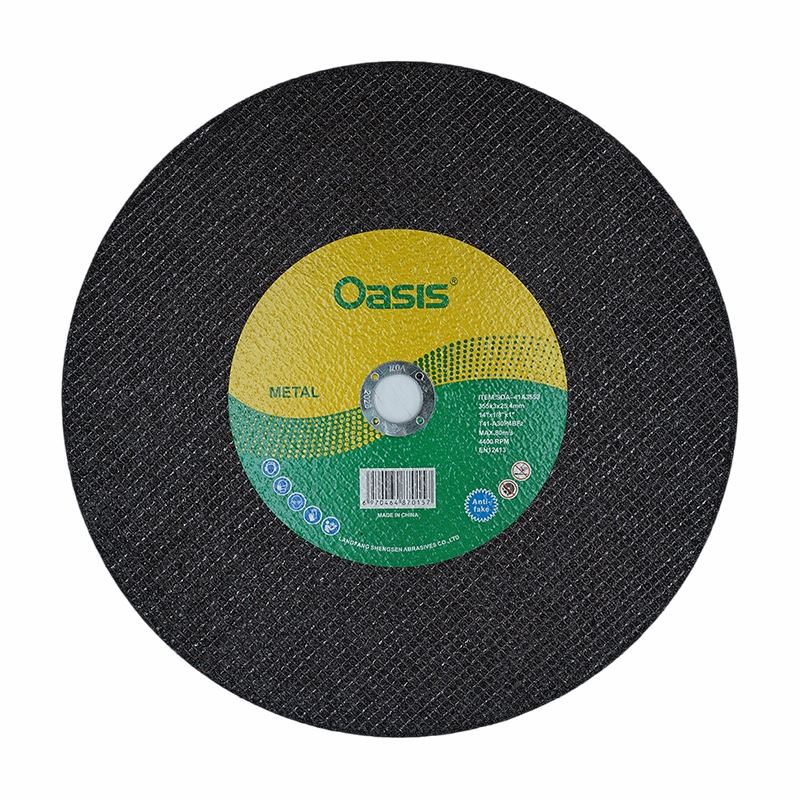
Diamond cutting discs are designed with diamond particles embedded in a metal or resin bond. The diamond particles act as cutting edges, providing exceptional abrasion resistance and cutting power. These discs can cut through thick and hard materials quickly and efficiently, reducing the cutting time and effort.
In the case of concrete cutting, a diamond cutting disc with a segmented or turbo - rim design is preferred. The segmented design allows for better water flow and debris removal, preventing the disc from overheating. The turbo - rim design provides a smooth and fast cut, making it suitable for large - scale concrete cutting projects.
Other Factors to Consider in Cutting Disc Selection
While material hardness is a primary factor in cutting disc selection, other factors also need to be considered. These include the thickness of the material, the cutting equipment being used, and the required cutting precision.
The thickness of the material affects the cutting speed and the type of cutting disc needed. Thicker materials may require a cutting disc with a larger diameter and a more powerful cutting ability. For example, when cutting thick steel plates, a large - diameter diamond cutting disc may be necessary to ensure a clean and efficient cut.
The cutting equipment, such as angle grinders, circular saws, and tile cutters, also influences the choice of cutting disc. Different cutting machines have different power ratings and rotational speeds, and the cutting disc must be compatible with these parameters. Using an incompatible cutting disc can lead to poor cutting performance, safety hazards, and damage to the equipment.
The required cutting precision is another important factor. For applications that require a high level of precision, such as jewelry making or precision metalworking, a fine - grit cutting disc or a specialized diamond cutting disc may be needed. These discs can provide a smooth and accurate cut, minimizing the need for additional finishing work.
Our Cutting Disc Offerings
As a cutting disc supplier, we offer a wide range of cutting discs to meet the diverse needs of our customers. Our Rail Cutting Disc is specifically designed for cutting railway tracks. It is made with high - quality abrasives and a strong bond, ensuring long - lasting performance and efficient cutting of the hard rail material.
Our universal cutting discs are suitable for a variety of materials, including soft metals, plastics, and wood. They offer versatility and cost - effectiveness, making them a popular choice among DIY enthusiasts and professional contractors alike.
Our diamond cutting discs are the top choice for cutting hard materials such as concrete, stone, and high - strength metals. With their superior cutting power and durability, they can handle the most challenging cutting tasks with ease.
Conclusion
The hardness of a material is a key determinant in the choice of a cutting disc. By understanding the relationship between material hardness and cutting disc characteristics, customers can make informed decisions and select the most suitable cutting disc for their specific cutting needs. At our company, we are committed to providing high - quality cutting discs that are designed to meet the demands of different materials and applications.
If you are in the market for cutting discs and need assistance in choosing the right one for your project, please feel free to contact us. Our team of experts is ready to provide you with professional advice and guidance to ensure that you get the best cutting solution for your needs.
References
- Callister, W. D., & Rethwisch, D. G. (2011). Materials Science and Engineering: An Introduction. Wiley.
- Schmid, F., & Boehlke, J. (2008). Handbook of Abrasive Technology. Elsevier.