

In the realm of industrial and DIY projects, the choice of a grinding disc can significantly impact the efficiency and quality of work. As a supplier of Universal Grinding Discs, I've witnessed firsthand how the thickness of these discs plays a crucial role in various applications. This blog post aims to explore the importance of the thickness of a Universal Grinding Disc, shedding light on how it affects performance, durability, and overall user experience.
Understanding Universal Grinding Discs
Before delving into the significance of thickness, let's briefly understand what Universal Grinding Discs are. Universal Grinding Discs are versatile tools designed to handle a wide range of materials, including metal, wood, and stone. They come in different types, such as the Universal Grinding Disc, Silicon Carbide Grinding Disc, and Fish Scale Shaped Metal Grinding Disc. Each type is engineered to meet specific grinding needs, but the thickness of the disc remains a common factor that influences its functionality.
The Impact of Thickness on Grinding Performance
1. Cutting Efficiency
The thickness of a grinding disc directly affects its cutting efficiency. Thinner discs, typically ranging from 1mm to 3mm, are more suitable for precision cutting and light grinding tasks. They can easily penetrate materials, making them ideal for applications where a clean and accurate cut is required. For example, when working on thin metal sheets or delicate woodwork, a thinner disc can provide a more controlled and precise cut, minimizing the risk of damage to the material.
On the other hand, thicker discs, usually 4mm or more, are better suited for heavy-duty grinding and cutting tasks. They have a greater mass and can withstand higher pressure, allowing them to remove material more quickly. Thicker discs are commonly used in applications such as grinding large metal structures, removing rust or paint, and shaping thick pieces of stone.
2. Heat Dissipation
Another important aspect affected by the thickness of a grinding disc is heat dissipation. During the grinding process, friction generates heat, which can cause the disc to wear out faster and reduce its cutting performance. Thinner discs have a larger surface area relative to their volume, which allows for better heat dissipation. This means that they can maintain a lower temperature during operation, reducing the risk of overheating and extending the lifespan of the disc.
Thicker discs, however, have a smaller surface area relative to their volume, which can make it more difficult for them to dissipate heat. As a result, they are more prone to overheating, especially when used for extended periods or under high pressure. To mitigate this issue, some thicker discs are designed with special cooling channels or ventilation holes to improve heat dissipation.
3. Grinding Precision
The thickness of a grinding disc also plays a role in grinding precision. Thinner discs are more flexible and can conform to the shape of the material being ground, allowing for more precise control over the grinding process. This makes them ideal for applications where a smooth and even finish is required, such as polishing metal surfaces or shaping wood.
Thicker discs, on the other hand, are more rigid and less likely to bend or flex during grinding. This can make them more suitable for applications where a consistent and uniform grinding pressure is required, such as grinding large flat surfaces or removing thick layers of material.
The Relationship Between Thickness and Durability
1. Wear Resistance
The thickness of a grinding disc is closely related to its wear resistance. Thicker discs generally have a longer lifespan than thinner discs because they have more material to wear away. They can withstand more abrasion and are less likely to break or crack during use. This makes them a more cost-effective option in the long run, especially for heavy-duty applications where the disc is subjected to high levels of stress.
However, it's important to note that the wear resistance of a grinding disc also depends on other factors, such as the quality of the abrasive material, the bonding agent used, and the operating conditions. Even a thick disc can wear out quickly if it is made from low-quality materials or used in inappropriate conditions.
2. Structural Integrity
In addition to wear resistance, the thickness of a grinding disc also affects its structural integrity. Thicker discs are more rigid and less likely to deform or warp during use, which can help to maintain their cutting performance and accuracy. They are also less likely to break or shatter, reducing the risk of injury to the user.
Thinner discs, on the other hand, are more flexible and can be more easily damaged if they are subjected to excessive pressure or impact. They are also more prone to cracking or splitting, especially if they are made from brittle materials. To ensure the safety and performance of thinner discs, it's important to use them with caution and follow the manufacturer's instructions.

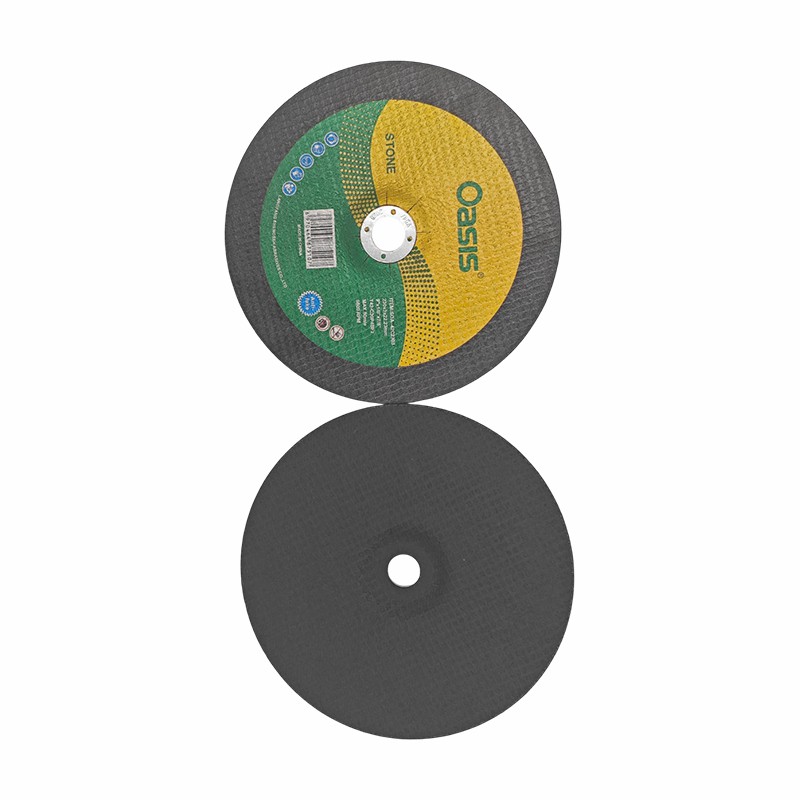
Choosing the Right Thickness for Your Application
When choosing a Universal Grinding Disc, it's important to consider the specific requirements of your application. Here are some factors to keep in mind:
1. Material Type
The type of material you are grinding will have a significant impact on the thickness of the disc you choose. For example, if you are working on thin metal sheets or delicate woodwork, a thinner disc may be more appropriate. If you are grinding thick metal structures or removing rust or paint, a thicker disc may be a better choice.
2. Grinding Task
The nature of the grinding task will also influence your choice of disc thickness. If you need to make a clean and accurate cut, a thinner disc may be more suitable. If you need to remove a large amount of material quickly, a thicker disc may be more effective.
3. Operating Conditions
The operating conditions, such as the speed of the grinder, the pressure applied, and the duration of use, will also affect the performance and lifespan of the grinding disc. If you are using a high-speed grinder or applying a lot of pressure, a thicker disc may be more durable. If you are working for extended periods, a disc with good heat dissipation properties may be more suitable.
Conclusion
In conclusion, the thickness of a Universal Grinding Disc is an important factor that can significantly impact its performance, durability, and overall user experience. Thinner discs are more suitable for precision cutting and light grinding tasks, while thicker discs are better suited for heavy-duty grinding and cutting tasks. When choosing a grinding disc, it's important to consider the specific requirements of your application, including the material type, grinding task, and operating conditions.
As a supplier of Universal Grinding Discs, we offer a wide range of options to meet the diverse needs of our customers. Whether you need a thin disc for precision work or a thick disc for heavy-duty applications, we have the right product for you. If you have any questions or need assistance in choosing the right grinding disc for your project, please don't hesitate to contact us. We are here to help you achieve the best results.
References
- Smith, J. (2020). The Science of Grinding: Understanding the Role of Disc Thickness. Industrial Tools Journal, 15(2), 45-52.
- Johnson, A. (2019). Choosing the Right Grinding Disc: A Guide for Professionals. DIY Magazine, 22(3), 67-74.
- Brown, S. (2018). The Impact of Disc Thickness on Grinding Performance. Manufacturing Today, 30(4), 89-96.