

Proper storage of cutting discs for metal is crucial for maintaining their quality, performance, and safety. As a supplier of cutting discs for metal, I understand the importance of providing customers with guidance on how to store these essential tools correctly. In this blog post, I will share some key tips and best practices for storing cutting discs to ensure they remain in optimal condition.

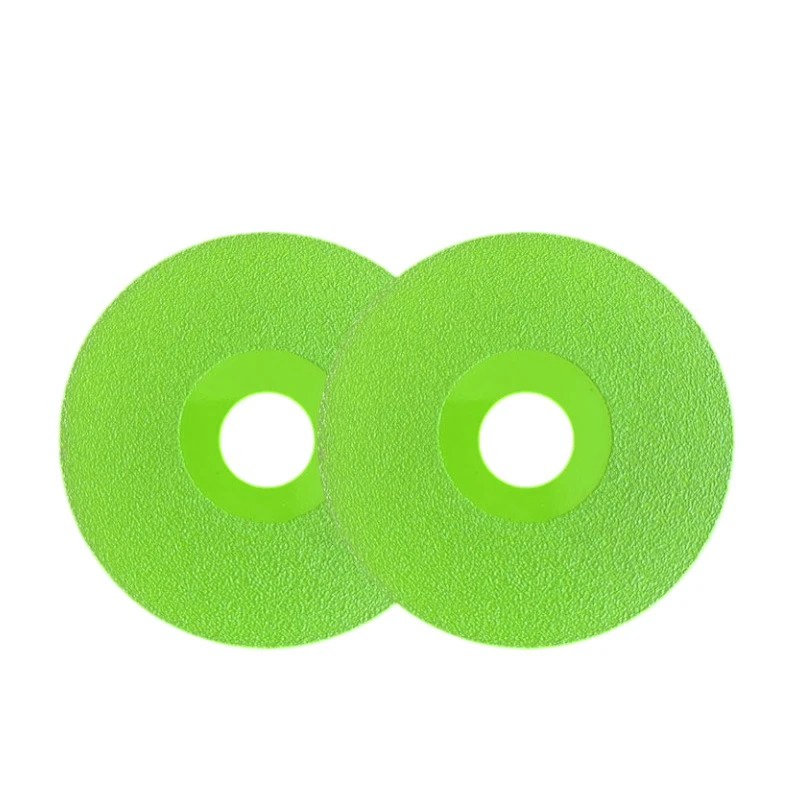
1. Keep Them in a Dry Environment
Moisture is one of the biggest enemies of cutting discs. Exposure to humidity can cause the bonding agents in the disc to weaken, leading to reduced cutting performance and potential safety hazards. Therefore, it is essential to store cutting discs in a dry environment with a relative humidity of less than 60%.
A storage room or cabinet that is well-ventilated and away from sources of moisture, such as leaky pipes or open windows, is ideal. If you live in an area with high humidity, you may want to consider using a dehumidifier to maintain a dry environment. Additionally, avoid storing cutting discs in areas prone to condensation, such as basements or garages.
2. Protect from Extreme Temperatures
Extreme temperatures can also have a negative impact on cutting discs. High temperatures can cause the resin or other bonding materials in the disc to soften, while low temperatures can make the disc brittle and more prone to cracking. It is recommended to store cutting discs at temperatures between 10°C and 35°C (50°F and 95°F).
Avoid storing cutting discs in direct sunlight or near heat sources, such as furnaces or heaters. Similarly, do not expose the discs to freezing temperatures, as this can damage the structure of the disc. If you need to transport cutting discs in extreme temperatures, make sure they are properly insulated to protect them from the elements.
3. Store in a Clean and Dust-Free Area
Dust and debris can accumulate on cutting discs over time, which can affect their cutting performance and cause premature wear. To prevent this, store cutting discs in a clean and dust-free area. You can use a storage cabinet or a sealed container to keep the discs protected from dust and other contaminants.
Before storing the discs, make sure they are clean and free of any debris. You can use a soft brush or compressed air to remove any dust or particles from the surface of the disc. Additionally, avoid storing cutting discs near grinding wheels or other abrasive tools, as the dust generated by these tools can contaminate the discs.
4. Keep Them in Their Original Packaging
The original packaging of cutting discs is designed to protect them during storage and transportation. It provides a barrier against moisture, dust, and other environmental factors that can damage the discs. Therefore, it is recommended to keep cutting discs in their original packaging until you are ready to use them.
If the original packaging is damaged or no longer available, you can use a protective case or a storage container to keep the discs safe. Make sure the container is made of a durable material and has a tight-fitting lid to prevent dust and moisture from entering.
5. Store in an Upright Position
Storing cutting discs in an upright position helps to prevent them from warping or deforming. When discs are stored horizontally, the weight of the discs on top can cause them to bend or become misshapen, which can affect their cutting performance. Therefore, it is best to store cutting discs in an upright position in a storage rack or a cabinet.
If you do not have a storage rack, you can use a cardboard box or a plastic container to store the discs upright. Make sure the container is large enough to accommodate the discs without squeezing them together. Additionally, label the container with the type and size of the cutting discs to make it easier to find the ones you need.
6. Rotate Stock Regularly
To ensure that you are using the oldest cutting discs first, it is important to rotate your stock regularly. This helps to prevent the discs from sitting in storage for too long, which can lead to degradation of the bonding materials and reduced cutting performance.
When you receive new cutting discs, place them at the back of the storage rack or cabinet and move the older discs to the front. This way, you will always be using the oldest discs first and minimizing the risk of using expired or degraded products.
7. Inspect Discs Before Use
Before using a cutting disc, it is important to inspect it for any signs of damage or wear. Look for cracks, chips, or other defects on the surface of the disc. If you notice any damage, do not use the disc, as it can pose a safety hazard.
Additionally, check the thickness of the disc to make sure it is within the recommended range. Over time, cutting discs can wear down, and using a disc that is too thin can cause it to break or shatter during use. If the disc is below the recommended thickness, replace it with a new one.
Types of Cutting Discs and Their Storage Considerations
There are several types of cutting discs for metal, each with its own unique characteristics and storage requirements. Here are some of the most common types of cutting discs and how to store them properly:
Universal Cutting Disc
Universal cutting discs are designed for use on a variety of metals, including steel, stainless steel, and aluminum. They are versatile and can be used for both straight cutting and bevel cutting. To learn more about universal cutting discs, visit Universal Cutting Disc.
When storing universal cutting discs, follow the general storage guidelines mentioned above. Keep them in a dry, clean, and dust-free environment, and store them in an upright position to prevent warping. Additionally, make sure to check the manufacturer's recommendations for specific storage requirements.
Diamond Cutting Disc
Diamond cutting discs are used for cutting hard materials, such as concrete, stone, and ceramics. They are extremely durable and can provide a clean and precise cut. To learn more about diamond cutting discs, visit Diamond Cutting Disc.
Diamond cutting discs require special storage considerations due to the nature of the diamond abrasive. They should be stored in a dry and cool environment to prevent the diamond from losing its sharpness. Avoid exposing diamond cutting discs to high temperatures or humidity, as this can damage the diamond particles. Additionally, store them in a protective case or a container to prevent them from being scratched or damaged.
Rail Cutting Disc
Rail cutting discs are specifically designed for cutting rails and other heavy-duty metal applications. They are made of high-quality materials and are designed to withstand the extreme conditions of rail cutting. To learn more about rail cutting discs, visit Rail Cutting Disc.
When storing rail cutting discs, it is important to keep them in a secure and stable environment. They are heavy and can be easily damaged if they are not stored properly. Store rail cutting discs in an upright position in a storage rack or a cabinet to prevent them from falling or tipping over. Additionally, make sure the storage area is free of any sharp objects or debris that can scratch or damage the discs.
Conclusion
Proper storage of cutting discs for metal is essential for maintaining their quality, performance, and safety. By following the tips and best practices outlined in this blog post, you can ensure that your cutting discs remain in optimal condition and provide you with reliable cutting performance for a long time.
If you have any questions or need further information about storing cutting discs for metal, please do not hesitate to contact us. As a leading supplier of cutting discs for metal, we are committed to providing our customers with the highest quality products and excellent customer service. We would be happy to assist you with your cutting disc needs and help you find the right products for your applications.
Contact us today to discuss your requirements and start a procurement negotiation. We look forward to working with you!
References
- American National Standards Institute (ANSI). (2018). Safety requirements for portable abrasive tools. ANSI B7.1-2018.
- International Organization for Standardization (ISO). (2016). Safety requirements for the use of abrasive tools. ISO 13001-2:2016.
- Occupational Safety and Health Administration (OSHA). (2019). Abrasive wheel machinery. 29 CFR 1910.215.