

As a supplier of Diamond Cutting Discs, ensuring the integrity of these essential tools before they reach the hands of our customers is of utmost importance. A diamond cutting disc that is in good condition not only guarantees efficient and precise cutting but also enhances safety during operation. In this blog, I will share some practical methods on how to check the integrity of a diamond cutting disc before use.
Visual Inspection
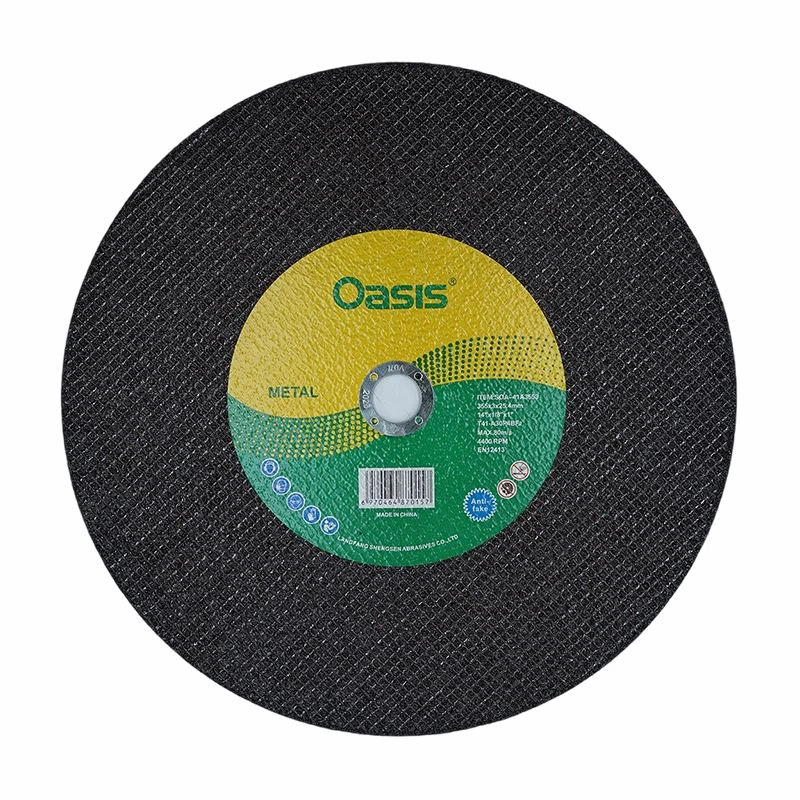
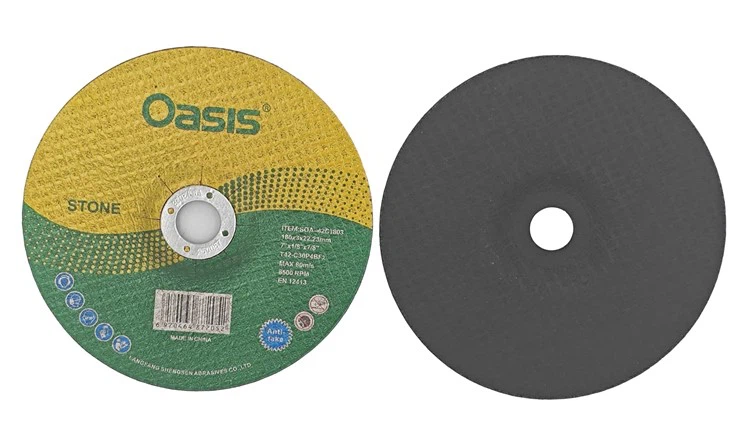
The first step in checking a diamond cutting disc is a thorough visual inspection. This is a simple yet effective way to identify any obvious signs of damage or wear.
- Check for Cracks: Carefully examine the entire surface of the cutting disc for any visible cracks. Cracks can compromise the structural integrity of the disc and may cause it to break during operation, posing a significant safety risk. Look closely at the edge of the disc, as this is where cracks are most likely to occur. Even small hairline cracks should not be ignored, as they can quickly propagate under the stress of cutting.
- Inspect the Bond: The bond is the material that holds the diamond particles in place on the cutting edge of the disc. Check for any signs of the bond coming loose or separating from the disc. This can be indicated by areas where the diamond particles seem to be falling off or where the bond appears to be chipped. A weak or damaged bond can lead to uneven cutting and a shorter lifespan for the disc.
- Examine the Shape: A diamond cutting disc should have a uniform shape without any warping or distortion. Place the disc on a flat surface and check if it lies evenly. If the disc wobbles or is not flat, it may cause vibrations during cutting, which can affect the quality of the cut and potentially damage the equipment.
Sound Test
Another method to check the integrity of a diamond cutting disc is the sound test. This test can help detect internal cracks or defects that may not be visible to the naked eye.
- Suspend the Disc: Gently suspend the diamond cutting disc by its center hole using a thin wire or string. Make sure the disc is free to move and does not touch any other objects.
- Tap the Disc: Use a small, non - metallic object, such as a wooden dowel or a plastic mallet, to gently tap the edge of the disc. Listen carefully to the sound produced. A healthy disc will produce a clear, ringing sound. If the disc has internal cracks or defects, the sound will be dull or muffled.
Measurement of Thickness and Diameter
Measuring the thickness and diameter of the diamond cutting disc can also provide valuable information about its integrity.
- Thickness Measurement: Use a caliper to measure the thickness of the disc at several points around its circumference. A significant variation in thickness can indicate uneven wear or damage. Most manufacturers specify a minimum thickness for their cutting discs, and if the measured thickness is below this limit, the disc should not be used.
- Diameter Measurement: Measure the diameter of the disc using a ruler or a measuring tape. A decrease in diameter may indicate excessive wear, while an increase could be a sign of distortion or expansion due to heat or other factors.
Check the Arbor Hole
The arbor hole is the central hole in the diamond cutting disc that fits onto the spindle of the cutting machine. It is crucial to ensure that the arbor hole is in good condition.
- Inspect for Damage: Look for any signs of damage, such as cracks, burrs, or deformation, in the arbor hole. A damaged arbor hole can cause the disc to fit poorly on the spindle, leading to vibrations and potential safety hazards.
- Check the Size: Make sure the diameter of the arbor hole matches the size of the spindle on the cutting machine. Using a disc with an incorrect arbor hole size can result in a loose fit and dangerous operating conditions.
Compatibility with the Cutting Machine
Before using a diamond cutting disc, it is essential to ensure that it is compatible with the cutting machine.
- Speed Rating: Check the speed rating of the diamond cutting disc and compare it with the maximum speed of the cutting machine. Using a disc at a speed higher than its rated speed can cause the disc to break or disintegrate, while using it at a lower speed may result in inefficient cutting.
- Flange Size: The flange is the part of the cutting machine that holds the disc in place. Make sure the flange size is compatible with the diamond cutting disc. Using an incorrect flange size can lead to uneven pressure on the disc and increase the risk of breakage.
Importance of Regular Checks
Regularly checking the integrity of diamond cutting discs is not only important before each use but also during their lifespan. Over time, cutting discs can be subject to wear, heat, and other factors that can affect their performance and safety. By conducting regular checks, you can identify and replace worn or damaged discs before they cause problems.
Conclusion
As a supplier of Diamond Cutting Disc, we are committed to providing our customers with high - quality products. By following these methods to check the integrity of a diamond cutting disc before use, you can ensure safe and efficient cutting operations. Whether you are working with Alloy&stone Cutting Disc or Rail Cutting Disc, proper inspection is key to achieving the best results.
If you are interested in purchasing high - quality diamond cutting discs or have any questions about our products, we encourage you to contact us for procurement and further discussions. Our team of experts is always ready to assist you in finding the right cutting solutions for your needs.
References
- "Cutting Tools Handbook" - A comprehensive guide on the use and maintenance of cutting tools.
- Manufacturer's guidelines for diamond cutting discs.