

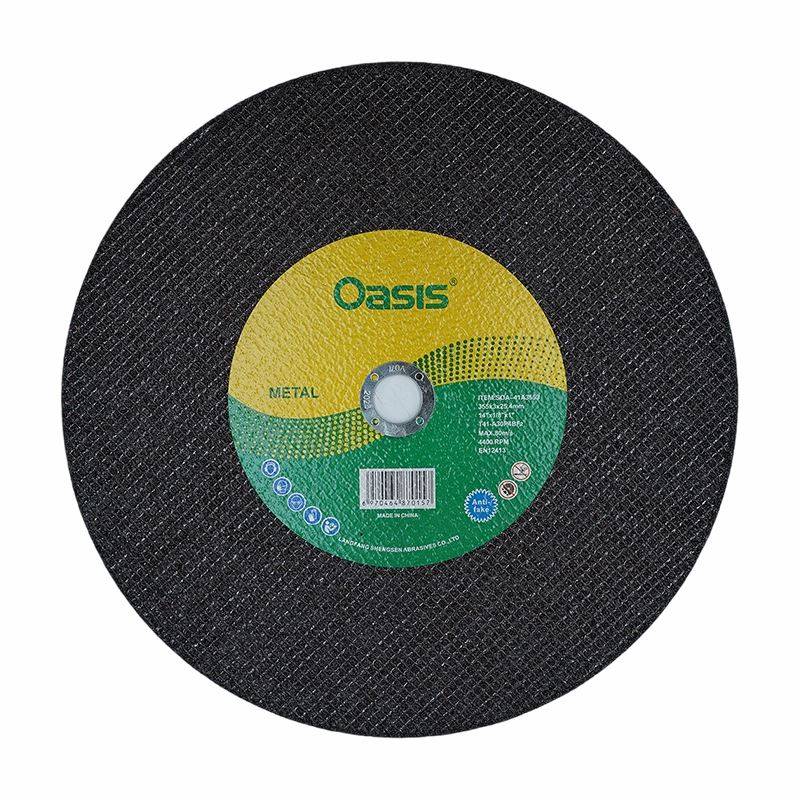
A metal cutting disc is an essential tool in various industries, including construction, manufacturing, and metalworking. Over time, these discs can accumulate debris, dust, and other contaminants that can affect their performance and lifespan. As a trusted metal cutting disc supplier, I understand the importance of maintaining these tools in optimal condition. In this blog post, I will share some effective methods on how to clean a metal cutting disc to ensure its continued efficiency and longevity.
Why Cleaning is Necessary
Before delving into the cleaning process, it's crucial to understand why cleaning a metal cutting disc is so important. When a cutting disc is used, it generates a significant amount of heat and friction, which can cause metal shavings, dust, and other particles to adhere to its surface. This buildup can lead to several issues:
- Reduced Cutting Performance: The debris on the disc can act as a barrier, preventing the cutting edge from making direct contact with the material. This results in slower cutting speeds, increased effort, and a less precise cut.
- Premature Wear and Tear: Accumulated debris can cause uneven wear on the disc, leading to a shorter lifespan. Additionally, the presence of contaminants can increase the risk of corrosion and damage to the disc's structure.
- Safety Hazards: A dirty cutting disc can be more prone to malfunction, such as cracking or breaking during use. This poses a serious safety risk to the operator and those in the vicinity.
By regularly cleaning your metal cutting disc, you can avoid these problems and ensure that it performs at its best for longer.
Tools and Materials Needed
To clean a metal cutting disc, you will need the following tools and materials:
- Safety Equipment: Wear safety goggles, gloves, and a dust mask to protect yourself from debris and chemicals.
- Cleaning Solution: You can use a mild detergent or a specialized metal cleaner. Avoid using harsh chemicals that can damage the disc.
- Soft Brush: A soft-bristled brush, such as a toothbrush or a paintbrush, is ideal for removing debris from the disc's surface.
- Water: You will need clean water for rinsing the disc.
- Lint-Free Cloth: Use a lint-free cloth to dry the disc after cleaning.
Cleaning Process
Follow these steps to clean your metal cutting disc effectively:
- Remove the Disc from the Tool: Before cleaning the disc, make sure to turn off the power tool and remove the disc from the arbor. This will prevent any accidental injuries during the cleaning process.
- Inspect the Disc: Carefully examine the disc for any signs of damage, such as cracks, chips, or excessive wear. If you notice any damage, do not attempt to clean the disc. Instead, replace it with a new one to ensure safety.
- Brush Off Loose Debris: Use a soft brush to gently remove any loose debris, such as metal shavings and dust, from the disc's surface. Start from the outer edge and work your way towards the center. Be careful not to apply too much pressure, as this can damage the cutting edge.
- Prepare the Cleaning Solution: Mix a small amount of mild detergent or metal cleaner with water in a container. Follow the manufacturer's instructions for the correct dilution ratio.
- Soak the Disc: Immerse the disc in the cleaning solution and let it soak for a few minutes. This will help to loosen any stubborn dirt and contaminants.
- Scrub the Disc: Use the soft brush to scrub the disc's surface gently. Pay special attention to the areas where debris is most likely to accumulate, such as the cutting edge and the pores of the disc. Be careful not to scrub too hard, as this can damage the disc.
- Rinse the Disc: After scrubbing, rinse the disc thoroughly with clean water to remove any remaining cleaning solution and debris. Make sure to rinse both sides of the disc.
- Dry the Disc: Use a lint-free cloth to dry the disc completely. Make sure to remove all moisture from the disc to prevent rust and corrosion.
- Inspect the Disc Again: Once the disc is dry, inspect it again to ensure that it is clean and free of any debris. If necessary, repeat the cleaning process until the disc is completely clean.
Special Considerations for Different Types of Metal Cutting Discs
Different types of metal cutting discs may require slightly different cleaning methods. Here are some special considerations for the following types of discs:
- Ceramic Corundum Cutting Disc: Ceramic corundum cutting discs are known for their high cutting performance and durability. To clean these discs, use a mild detergent and a soft brush. Avoid using abrasive cleaners or scrubbing too hard, as this can damage the ceramic particles on the disc's surface.
- Diamond Cutting Disc: Diamond cutting discs are designed for cutting hard materials, such as concrete, stone, and tile. To clean these discs, use a specialized diamond cleaner or a mild detergent. Avoid using acidic or abrasive cleaners, as these can damage the diamond particles on the disc's surface.
- Rail Cutting Disc: Rail cutting discs are used for cutting railway tracks and other heavy-duty applications. These discs can accumulate a significant amount of debris and contaminants during use. To clean a rail cutting disc, use a high-pressure water jet or a specialized rail cleaner. Make sure to follow the manufacturer's instructions for the correct cleaning method.
Maintenance Tips
In addition to regular cleaning, there are several maintenance tips that you can follow to extend the lifespan of your metal cutting disc:
- Store the Disc Properly: When not in use, store the cutting disc in a dry, cool place. Avoid storing the disc in direct sunlight or in a humid environment, as this can cause rust and corrosion.
- Use the Correct Tool: Make sure to use the cutting disc with the correct power tool and at the recommended speed. Using the wrong tool or speed can cause the disc to overheat and wear out prematurely.
- Replace the Disc When Necessary: Even with proper cleaning and maintenance, a cutting disc will eventually wear out. Replace the disc when it shows signs of excessive wear, such as a dull cutting edge or a cracked surface.
Conclusion
Cleaning a metal cutting disc is an essential part of maintaining its performance and lifespan. By following the steps outlined in this blog post and using the right tools and materials, you can effectively clean your cutting disc and ensure that it performs at its best for longer. Remember to always wear safety equipment when cleaning the disc and to follow the manufacturer's instructions for the correct cleaning method. If you have any questions or need further assistance, please feel free to contact us. We are a leading metal cutting disc supplier, and we are committed to providing our customers with high-quality products and excellent service. Whether you are a professional contractor or a DIY enthusiast, we have the right cutting disc for your needs. Contact us today to discuss your requirements and explore our wide range of metal cutting discs.

References
- "Cutting Tools Maintenance Guide," Industrial Tooling Corporation.
- "How to Clean and Maintain Your Power Tools," Home Depot.
- "Safety Guidelines for Using Metal Cutting Discs," Occupational Safety and Health Administration (OSHA).