

Hey there! As a supplier of Diamond Cutting Disc, I've seen my fair share of these nifty tools in action. One question that often pops up from our customers is how to measure the wear of a diamond cutting disc. Well, you've come to the right place! In this blog, I'm gonna break it down for you in a simple and easy - to - understand way.
First off, why is it important to measure the wear of a diamond cutting disc? Well, a worn - out disc can lead to a whole bunch of problems. It might not cut as efficiently, which means you'll spend more time on a job. It can also cause uneven cuts, and in some cases, it can even be dangerous. So, keeping an eye on the wear is crucial for both performance and safety.
Visual Inspection
The easiest and most basic way to measure the wear of a diamond cutting disc is through visual inspection. This is something you can do right before you start using the disc or during breaks. Just take a good look at the disc.
The first thing to check is the diamond segment. The diamond segments are the parts of the disc that actually do the cutting. Over time, these segments will start to wear down. You can look for signs like a reduction in the height of the segments. If they look significantly shorter than when you first got the disc, that's a clear sign of wear.
Another visual clue is the appearance of the diamond particles on the segment. When a disc is new, the diamonds are fresh and sharp. As the disc is used, the diamonds will start to break down and become dull. You might notice that the surface of the segment looks smoother or less shiny than before. This is because the sharp edges of the diamonds have been worn away.
If you see any cracks or chips in the segments, that's also a big red flag. Cracks can cause the segment to break off during use, which is not only bad for the disc but can also be a safety hazard.
Measuring the Thickness
Measuring the thickness of the diamond cutting disc is another important way to gauge its wear. You'll need a simple tool for this, like a caliper.
Start by measuring the thickness of the disc at different points. It's a good idea to measure near the outer edge, in the middle, and close to the center. This will give you a more accurate picture of how the disc is wearing.
As the disc cuts through materials, it will gradually lose thickness. The rate at which it loses thickness can vary depending on what you're cutting. For example, cutting through hard materials like concrete or granite will cause the disc to wear faster than cutting through softer materials like wood.
Most manufacturers will specify the minimum thickness that a disc can be before it should be replaced. If your measurements show that the disc is approaching or has reached this minimum thickness, it's time to get a new one.
Monitoring the Cutting Performance
How well the disc is cutting can also tell you a lot about its wear. When a disc is new, it should cut through materials smoothly and quickly.
If you notice that the disc is starting to struggle, for example, if it takes longer to make a cut or if you have to apply more pressure, that's a sign that the disc is wearing out. The diamonds on the segment are no longer as effective at cutting, so the disc has to work harder.
You can also listen to the sound the disc makes while cutting. A new disc will make a relatively consistent and smooth sound. But as it wears, you might hear a more ragged or uneven sound. This is because the worn - out diamonds are not cutting as cleanly as they should.
Types of Diamond Cutting Discs and Wear
Different types of diamond cutting discs will wear in different ways. For example, Rail Cutting Disc are designed specifically for cutting rails. These discs are often subjected to high - stress conditions because rails are made of tough materials.
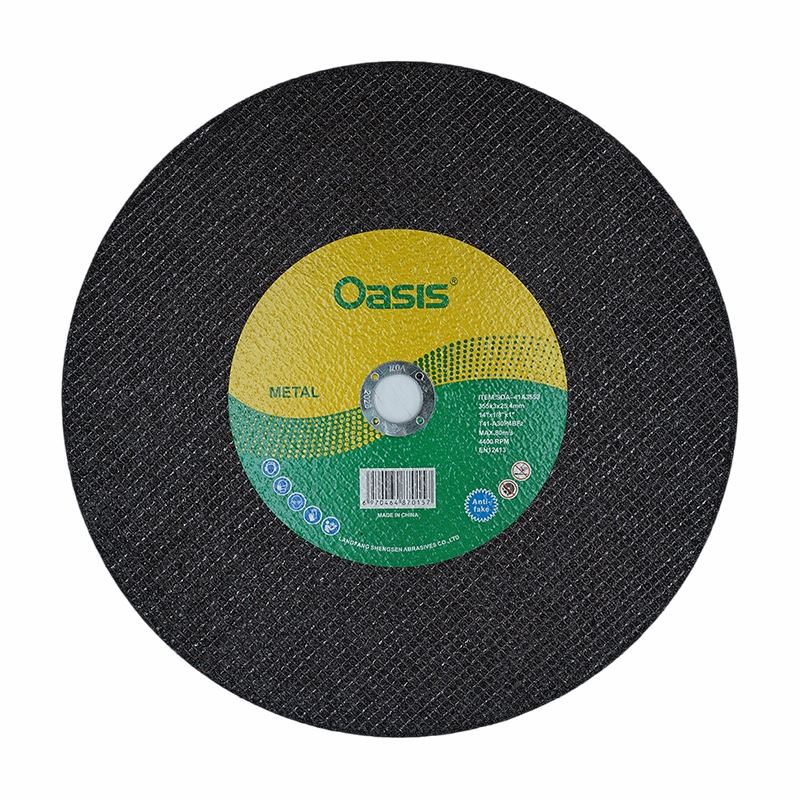

Rail cutting discs will typically wear more quickly on the outer edge because that's the part that comes into contact with the rail first. So, when measuring the wear of a rail cutting disc, pay extra attention to the outer edge thickness and the condition of the outer segments.
On the other hand, Universal Cutting Disc are more versatile and can be used for a variety of materials. Because they are used in different applications, their wear pattern might be more complex. They could wear evenly across the disc if used for a mix of soft and hard materials, or they could show more wear in certain areas depending on the specific materials they are cutting.
Tips to Extend the Life of Your Diamond Cutting Disc
Now that you know how to measure the wear of a diamond cutting disc, let's talk about how to make it last longer.
First of all, use the right disc for the job. Using a disc that's not designed for the material you're cutting will cause it to wear out much faster. For example, don't use a disc meant for wood to cut through concrete.
Secondly, make sure you're using the correct speed and pressure. Running the disc too fast or applying too much pressure can cause excessive wear. Follow the manufacturer's recommendations for the best results.
Also, keep the disc clean. After each use, remove any debris or dust from the disc. This will prevent the build - up of material on the segments, which can affect the cutting performance and increase wear.
When to Replace the Disc
Knowing when to replace a diamond cutting disc is crucial. If you wait too long, you risk damaging the disc further and potentially causing safety issues.
As I mentioned earlier, if the disc has reached the minimum thickness specified by the manufacturer, it's time to replace it. Also, if you notice significant visual wear, like large cracks or chips in the segments, or if the cutting performance has deteriorated to a point where it's no longer efficient, it's best to get a new disc.
In conclusion, measuring the wear of a diamond cutting disc is not that complicated. By using visual inspection, measuring the thickness, monitoring the cutting performance, and knowing the signs of wear, you can ensure that your disc is always in good working condition.
If you're in the market for high - quality diamond cutting discs, we've got you covered. Whether you need a Rail Cutting Disc, a Universal Cutting Disc, or any other type of diamond cutting disc, we offer a wide range of products to meet your needs. If you have any questions or want to discuss your specific requirements, don't hesitate to reach out. We're here to help you make the right choice for your projects.
References
- "Cutting Tools Handbook" by Industrial Press Inc.
- Manufacturer's guides for diamond cutting discs