

When it comes to working with copper, using a flap disc can be an efficient and effective way to achieve the desired finish. As a flap disc supplier, I've had the opportunity to work with various customers on their copper - related projects. In this blog, I'll share some important considerations when using a flap disc on copper.
Material Compatibility
The first and foremost consideration is the compatibility of the flap disc with copper. Copper is a relatively soft and ductile metal. Unlike harder metals such as steel or titanium, it can easily clog abrasive materials. When choosing a flap disc for copper, you need to select one with a suitable abrasive grain. Aluminum oxide is a popular choice for working on copper. It has a good balance of cutting ability and resistance to clogging. The grains are sharp enough to cut through the copper surface but also can shed when they become dull, exposing fresh grains.

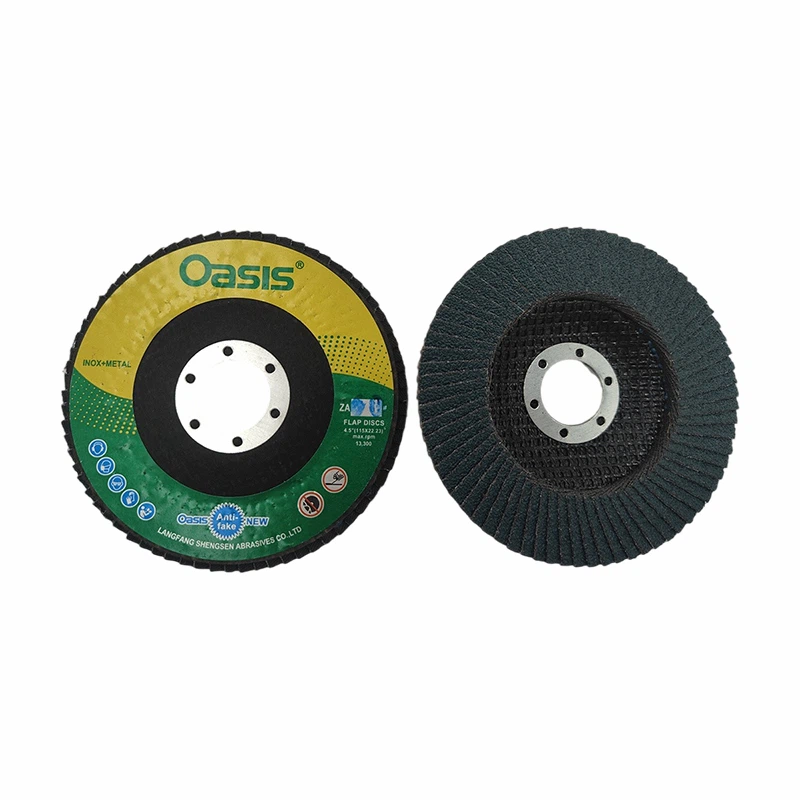
Another option is zirconia alumina. Zirconia alumina abrasives are tougher and more durable than aluminum oxide. They can maintain their cutting edge for a longer time, which is beneficial when dealing with larger copper workpieces or when you need to remove a significant amount of material. However, they are also more aggressive, so you need to be careful not to over - grind the copper, which could lead to excessive heat generation and deformation of the material.
Grit Size
Grit size plays a crucial role in determining the finish and the rate of material removal when using a flap disc on copper. A coarse grit, such as 36 or 40, is ideal for the initial rough grinding or material removal. If you have a copper piece with a large amount of excess material or rough edges, a coarse - grit flap disc can quickly take off the unwanted parts. It can also be used to level uneven surfaces.
For a smoother finish, you should switch to a finer - grit flap disc. Grits like 80, 120, or 180 can be used to refine the surface and remove the scratches left by the coarse - grit disc. The finer the grit, the smoother the surface will be. However, keep in mind that using a very fine - grit disc too early in the process can be time - consuming and may not be as effective in removing large amounts of material. You can follow a step - by - step approach, starting with a coarse grit and gradually moving to finer grits for the best results.
Speed and Pressure
The speed at which you operate the flap disc and the pressure you apply are important factors. Most flap discs have a recommended operating speed, usually specified by the manufacturer. Running the flap disc at too high a speed can cause excessive heat generation, which is a major concern when working with copper. Copper has a high thermal conductivity, meaning it can transfer heat quickly. Excessive heat can lead to discoloration, warping, and even melting of the copper surface.
On the other hand, applying too much pressure while grinding can also cause problems. It can make the abrasive grains wear out faster and increase the risk of clogging. Additionally, too much pressure can cause the copper to deform, especially if it is a thin or delicate piece. You should apply a light to moderate pressure and let the flap disc do the work. Let the natural cutting action of the abrasive grains remove the material, rather than forcing the disc onto the copper.
Cooling and Lubrication
As mentioned earlier, heat is a significant issue when using a flap disc on copper. To prevent overheating, you can use cooling and lubrication techniques. One common method is to use a coolant or lubricant spray. These sprays can reduce the friction between the flap disc and the copper surface, which in turn reduces heat generation. They also help to flush away the copper particles that are being removed, preventing them from clogging the abrasive grains.
When using a coolant or lubricant, make sure to follow the manufacturer's instructions. Some coolants are designed specifically for metalworking applications and are safe to use on copper. You can spray the coolant onto the work area before starting the grinding process and re - apply it periodically as needed.
Safety Precautions
Safety should always be a top priority when using a flap disc. When working with copper, you need to wear appropriate personal protective equipment (PPE). Safety glasses are essential to protect your eyes from flying copper particles and debris. A dust mask can prevent you from inhaling the fine copper dust that is generated during the grinding process.
In addition, make sure the work area is well - ventilated. Copper dust can be harmful if inhaled in large quantities over a long period. You may also want to consider using a dust collection system to capture the dust at the source.
Flap Disc Design
The design of the flap disc can also affect its performance on copper. A Universal Flap Disc is a great option as it is designed to be versatile and can work well on a variety of materials, including copper. Universal flap discs often have a unique flap arrangement that allows for efficient material removal and a smooth finish.
The shape of the flaps can vary. Some flap discs have triangular flaps, while others have rectangular or square flaps. Triangular flaps are known for their aggressive cutting action, which can be useful for initial roughing operations on copper. Rectangular or square flaps, on the other hand, can provide a more consistent finish and are better suited for finer grinding and finishing.
Surface Finish Requirements
The final surface finish you want to achieve on the copper piece will influence your choice of flap disc and the grinding process. If you are aiming for a mirror - like finish, you will need to use a series of progressively finer - grit flap discs and may even need to follow up with a polishing process. For a satin or brushed finish, a medium - grit flap disc can be used, and you can control the direction of the grinding to create the desired pattern.
If the copper piece is going to be used in a decorative application, such as jewelry or architectural elements, the surface finish is of utmost importance. You may need to take extra care in selecting the right flap disc and following a precise grinding sequence to achieve the perfect look.
Cost - Effectiveness
As a supplier, I understand that cost is an important consideration for our customers. When choosing a flap disc for copper, you need to balance the cost with the performance. A high - quality flap disc may cost more upfront but can save you money in the long run. It will last longer, provide better results, and reduce the need for frequent disc changes.
You should also consider the amount of material you need to remove and the frequency of use. If you are working on a large - scale copper project, investing in a more expensive but durable flap disc may be a wise decision. On the other hand, if it's a small - scale or occasional project, a more budget - friendly option may be sufficient.
Application - Specific Considerations
The specific application of the copper piece can also affect the choice of flap disc. For example, if you are working on a copper pipe, you need to consider the curvature of the surface. A flap disc with a flexible backing can conform better to the curved surface of the pipe, ensuring a more even grind.
If you are grinding copper for electrical applications, you need to be careful not to damage the electrical conductivity of the material. Excessive heat or over - grinding can cause changes in the copper's electrical properties. In such cases, using a low - heat grinding process and a suitable flap disc is crucial.
In conclusion, using a flap disc on copper requires careful consideration of various factors, including material compatibility, grit size, speed and pressure, safety, and the specific requirements of your project. As a flap disc supplier, we are here to help you make the right choices. If you have any questions about selecting the best flap disc for your copper work or need more information, please feel free to contact us for a detailed discussion and procurement negotiation.
References
- Abrasive Engineering Handbook.
- Metalworking Safety Guidelines.
- Copper Processing and Finishing Manual.