

As a cutting disc supplier, I've had the privilege of working closely with various industries that rely on these essential tools. Over the years, I've witnessed firsthand the importance of recognizing the signs of a worn - out cutting disc. In this blog, I'll share some key indicators to help you identify when it's time to replace your cutting disc, ensuring both safety and efficiency in your operations.
Visual Inspection
One of the most straightforward ways to determine if a cutting disc is worn out is through a visual inspection. Start by examining the outer edge of the disc. A new cutting disc has a sharp, well - defined edge. As it is used, this edge begins to wear down. When the edge becomes rounded or uneven, it's a clear sign that the disc has been in use for a while.
Look for any signs of cracks or chips on the surface of the disc. Cracks can spread quickly during operation, leading to the disc shattering, which is extremely dangerous. Even small chips can affect the cutting performance and cause uneven cuts. If you notice any cracks or significant chips, the disc should be replaced immediately.
Another visual clue is the color of the disc. Some cutting discs may change color due to heat generated during cutting. Excessive heat can cause the disc material to break down and lose its effectiveness. If you see discoloration, especially in large patches, it could indicate that the disc has been overheated and is nearing the end of its useful life.
Cutting Performance
The performance of the cutting disc during operation can also reveal a lot about its condition. A new cutting disc cuts smoothly and efficiently through the material. As it wears out, you may notice a decrease in cutting speed. The disc may start to struggle to penetrate the material, and you'll have to apply more pressure to get the same results. This not only slows down your work but also increases the risk of accidents, as excessive pressure can cause the disc to bind or kick back.

Uneven cuts are another sign of a worn - out cutting disc. If you notice that the cut is rough, jagged, or not straight, it could be because the disc is no longer cutting evenly. This can be due to uneven wear on the disc or damage to the cutting edge. In some cases, the disc may even leave behind a burr on the cut surface, which requires additional finishing work.
Excessive vibration is a red flag. A well - functioning cutting disc should operate with minimal vibration. If you feel a significant amount of vibration while using the disc, it could mean that the disc is out of balance or has been damaged. Vibration can not only make the cutting process uncomfortable but also lead to premature wear on the tool and the disc itself.
Noise and Heat
Pay attention to the noise and heat generated during cutting. A new cutting disc typically makes a consistent, smooth sound while cutting. As it wears out, you may start to hear a louder, more irregular noise. This could be a sign that the disc is binding or that the cutting edge is no longer in good condition.
Heat is another important factor. Cutting discs generate heat during operation, but excessive heat is a problem. If you notice that the disc is getting extremely hot to the touch or if you see smoke coming from the cutting area, it could indicate that the disc is overheating. Overheating can cause the disc to lose its hardness and strength, reducing its cutting performance and shortening its lifespan.
Types of Cutting Discs and Their Wear Signs
Different types of cutting discs have their own unique wear characteristics. For example, the Universal Cutting Disc is designed to cut a variety of materials, including metal, wood, and plastic. Due to its versatility, it may experience more diverse wear patterns. The cutting edge may wear out more quickly when cutting harder materials like metal, and you may notice more chipping or cracking compared to when cutting softer materials.
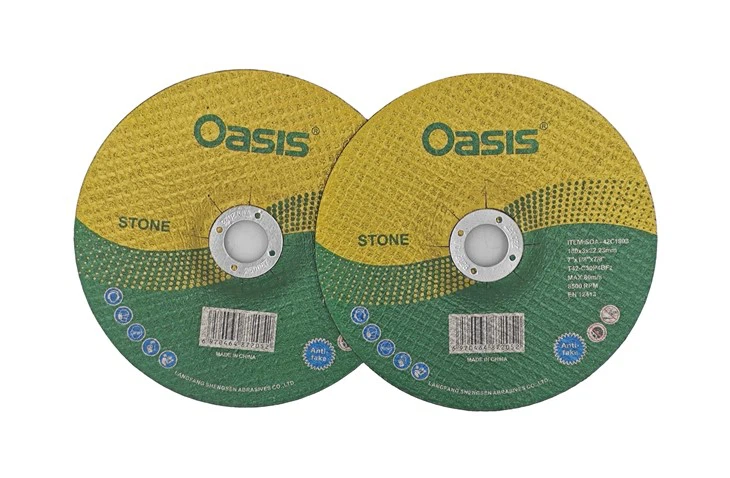
The Alloy&stone Cutting Disc is specifically designed for cutting alloy metals and stone. These materials are generally harder and more abrasive, so the disc is likely to wear out faster. You may observe more significant wear on the outer edge of the disc, and the disc may become less effective at cutting through the material as it wears.
The Diamond Cutting Disc is known for its durability and high - performance cutting. However, even diamond - coated discs can wear out. The diamond coating may start to wear off, reducing the cutting efficiency. You may also notice a decrease in the disc's ability to cut through hard materials, such as concrete or ceramic tiles.
Importance of Replacing Worn - Out Cutting Discs
Replacing a worn - out cutting disc is crucial for several reasons. First and foremost, it's a matter of safety. A damaged or worn - out disc can shatter during operation, causing serious injuries to the operator and those nearby. By regularly inspecting and replacing cutting discs, you can significantly reduce the risk of accidents in the workplace.
In addition to safety, replacing worn - out discs can improve the quality of your work. A new cutting disc will cut more smoothly and accurately, resulting in cleaner cuts and less finishing work. This can save you time and money in the long run, as you'll be able to complete your projects more efficiently.
Finally, using a worn - out cutting disc can damage your cutting equipment. Excessive vibration, pressure, and heat can all take a toll on the tool, leading to premature wear and costly repairs. By replacing the disc when it's worn out, you can extend the lifespan of your equipment and keep it in good working condition.
Contact for Purchase and Consultation
If you're in need of high - quality cutting discs or have any questions about their usage and maintenance, don't hesitate to reach out. As a cutting disc supplier, I'm committed to providing you with the best products and expert advice. Whether you need a Universal Cutting Disc, Alloy&stone Cutting Disc, or Diamond Cutting Disc, I can help you find the right solution for your needs.
References
- American National Standards Institute (ANSI). Safety requirements for portable abrasive tools.
- Occupational Safety and Health Administration (OSHA). Guidelines for safe use of cutting tools.
- Manufacturer's manuals for cutting discs and related equipment.