

Abrasive wear is a common and crucial phenomenon in the field of grinding. As a supplier of Ceramic Straight Wheels, understanding the abrasive wear mechanism of ceramic straight wheels is of great significance for optimizing product performance, improving grinding efficiency, and meeting customer needs. In this blog, we will delve into the abrasive wear mechanism of ceramic straight wheels, exploring its influencing factors and practical implications.
1. Fundamentals of Abrasive Wear
Abrasive wear occurs when a hard surface slides or rolls against a softer one, causing the removal of material from the softer surface. In the case of ceramic straight wheels, the wheel acts as the abrasive tool, and the workpiece is the material being ground. The abrasive grains on the surface of the ceramic straight wheel penetrate into the workpiece, cutting and plowing the material to achieve the grinding process.
There are two main types of abrasive wear: two - body and three - body wear. In two - body wear, the abrasive grains directly interact with the workpiece surface, like a knife cutting through a material. Three - body wear, on the other hand, involves the presence of loose abrasive particles between the wheel and the workpiece, which can also cause material removal.
2. Abrasive Wear Mechanism of Ceramic Straight Wheels
2.1 Grain Fracture
Ceramic abrasive grains are known for their high hardness and brittleness. During the grinding process, the grains are subjected to high mechanical and thermal stresses. When the stress exceeds the strength of the grain, it fractures. Grain fracture can be beneficial in some cases as it exposes new sharp edges, maintaining the cutting ability of the wheel. However, excessive fracture can lead to rapid wear of the wheel and a decrease in grinding efficiency.
The factors influencing grain fracture include the properties of the ceramic material, such as its grain size, porosity, and crystal structure. Finer - grained ceramics generally have higher strength but may be more prone to fracture under high - stress conditions. Porosity can affect the stress distribution within the grain, with higher porosity potentially reducing the overall strength of the grain.
2.2 Bond Wear
The bond in a ceramic straight wheel holds the abrasive grains together. There are different types of bonds, such as vitrified, resinoid, and metal bonds. Bond wear occurs when the bond material is eroded or broken down during the grinding process.
Vitrified bonds are widely used in ceramic straight wheels due to their high heat resistance and good holding strength. However, they can be worn by the mechanical action of the workpiece and the abrasive grains. Resinoid bonds are more flexible but may be more susceptible to thermal degradation. Metal bonds offer high strength but may also cause more significant friction and heat generation.
The wear of the bond can lead to the loss of abrasive grains, reducing the cutting ability of the wheel. Factors affecting bond wear include the grinding parameters (such as grinding speed, feed rate, and depth of cut), the type of workpiece material, and the chemical environment during grinding.
2.3 Adhesion and Diffusion
Adhesion occurs when the workpiece material adheres to the surface of the abrasive grains or the bond. This can happen due to the high pressure and temperature at the contact interface between the wheel and the workpiece. Adhered material can change the shape and properties of the abrasive grains, reducing their cutting efficiency.
Diffusion is a process where atoms from the workpiece and the wheel material diffuse into each other at high temperatures. This can lead to the formation of new compounds at the interface, which may affect the wear behavior of the wheel. For example, in the grinding of some metals, diffusion can cause the embrittlement of the abrasive grains or the bond, accelerating wear.
3. Influencing Factors on Abrasive Wear
3.1 Workpiece Material
The properties of the workpiece material, such as its hardness, toughness, and chemical composition, have a significant impact on the abrasive wear of ceramic straight wheels. Harder workpiece materials generally require more energy to be removed, which can increase the stress on the abrasive grains and the bond, leading to more rapid wear.
For example, when grinding high - strength steels, the abrasive grains need to withstand higher cutting forces, increasing the likelihood of grain fracture. In contrast, softer materials may cause more adhesion and clogging of the wheel surface, reducing its cutting efficiency.
3.2 Grinding Parameters
Grinding parameters, including grinding speed, feed rate, and depth of cut, play a crucial role in abrasive wear. Higher grinding speeds can increase the temperature at the contact interface, which may accelerate bond wear and diffusion processes. A higher feed rate and depth of cut can increase the cutting forces, leading to more severe grain fracture.
Optimal grinding parameters need to be selected based on the properties of the workpiece material and the ceramic straight wheel to minimize wear and maximize grinding efficiency. For instance, when grinding a delicate workpiece, a lower feed rate and depth of cut may be used to reduce the stress on the wheel.
3.3 Coolant and Lubricant
The use of coolants and lubricants can significantly affect the abrasive wear of ceramic straight wheels. Coolants can reduce the temperature at the contact interface, preventing thermal damage to the wheel and the workpiece. They can also flush away the chips and loose abrasive particles, reducing the possibility of three - body wear.
Lubricants can reduce the friction between the wheel and the workpiece, reducing the cutting forces and the energy consumption. This can help to prolong the life of the wheel and improve the surface quality of the workpiece. However, the choice of coolant and lubricant needs to be compatible with the workpiece material and the wheel bond to avoid chemical reactions that may cause additional wear.
4. Practical Implications for Suppliers
As a supplier of Ceramic Straight Wheels, understanding the abrasive wear mechanism is essential for product development and customer service.
4.1 Product Design and Development
Based on the knowledge of abrasive wear, we can optimize the design of ceramic straight wheels. For example, by selecting the appropriate ceramic material and bond type, we can improve the wear resistance of the wheel. We can also adjust the grain size and distribution to balance the cutting ability and wear resistance.
4.2 Customer Support
We can provide valuable advice to our customers on the selection of grinding parameters and the use of coolants and lubricants. By helping customers to understand the abrasive wear mechanism, they can make more informed decisions to improve the grinding process and reduce costs.
4.3 New Product Innovation
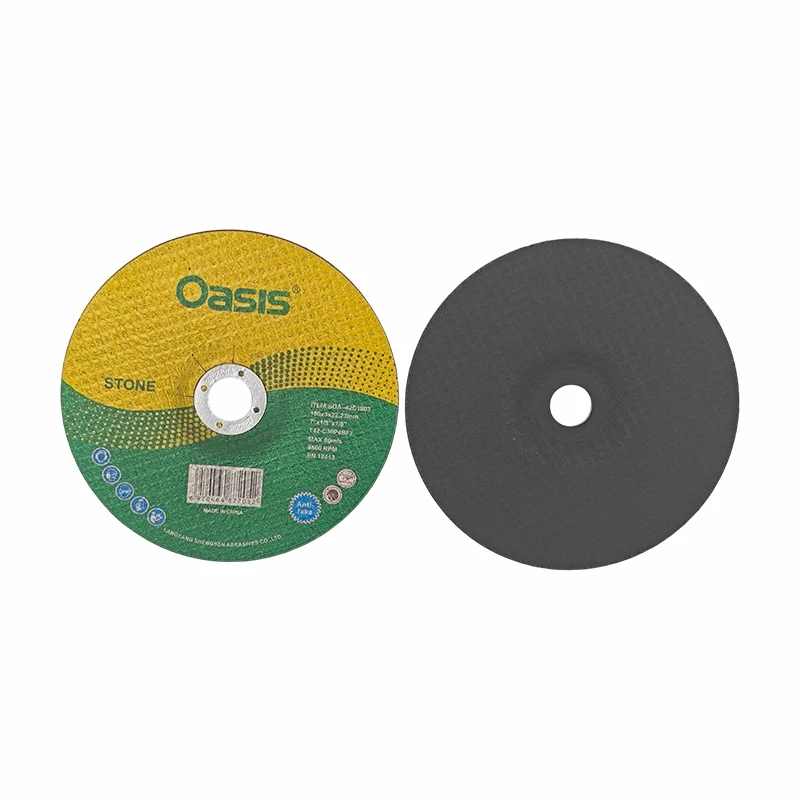
Research on abrasive wear can also inspire the development of new products. For example, we can explore new ceramic materials or bond technologies to further enhance the performance of ceramic straight wheels. We can also develop specialized wheels for specific applications, such as Silicon Carbide Grinding Disc or Fish Scale Shaped Metal Grinding Disc, to meet the diverse needs of our customers.
5. Conclusion
The abrasive wear mechanism of ceramic straight wheels is a complex process involving grain fracture, bond wear, adhesion, and diffusion. Understanding this mechanism is crucial for suppliers to optimize product design, provide better customer support, and drive innovation. By considering the influencing factors such as workpiece material, grinding parameters, and coolant/lubricant use, we can help our customers achieve more efficient and cost - effective grinding processes.
If you are interested in our Ceramic Straight Wheels or have any questions about abrasive wear and grinding, please feel free to contact us for further discussion and procurement negotiation. We are committed to providing high - quality products and professional services to meet your needs.
References
- Malkin, S., & Guo, C. (2008). Grinding technology: theory and applications of machining with abrasives. Industrial and manufacturing engineering series.
- Trent, E. M., & Wright, P. K. (2000). Metal cutting. Butterworth - Heinemann.
- Astakhov, V. P. (2010). Mechanics and thermophysics of metal cutting. Elsevier.