

Hey there! As a supplier of Diamond Cutting Discs, I've seen firsthand the importance of using the right techniques to get the most out of these powerful tools. In this blog post, I'm gonna share with you what I think is the best technique for using a diamond cutting disc.
First off, let's talk about what a diamond cutting disc is. A diamond cutting disc is a circular saw blade with diamond particles embedded in its edge. These diamonds are incredibly hard, making the disc ideal for cutting through tough materials like concrete, stone, metal, and ceramics. It's like having a super - sharp knife for all these challenging substances.
Safety First
Before we even get into the cutting technique, safety is non - negotiable. You gotta wear the right safety gear. That includes safety glasses to protect your eyes from flying debris, ear protection because the cutting process can be really loud, and a dust mask to avoid inhaling harmful dust. Also, make sure you're wearing appropriate clothing that won't get caught in the saw.
Choosing the Right Disc
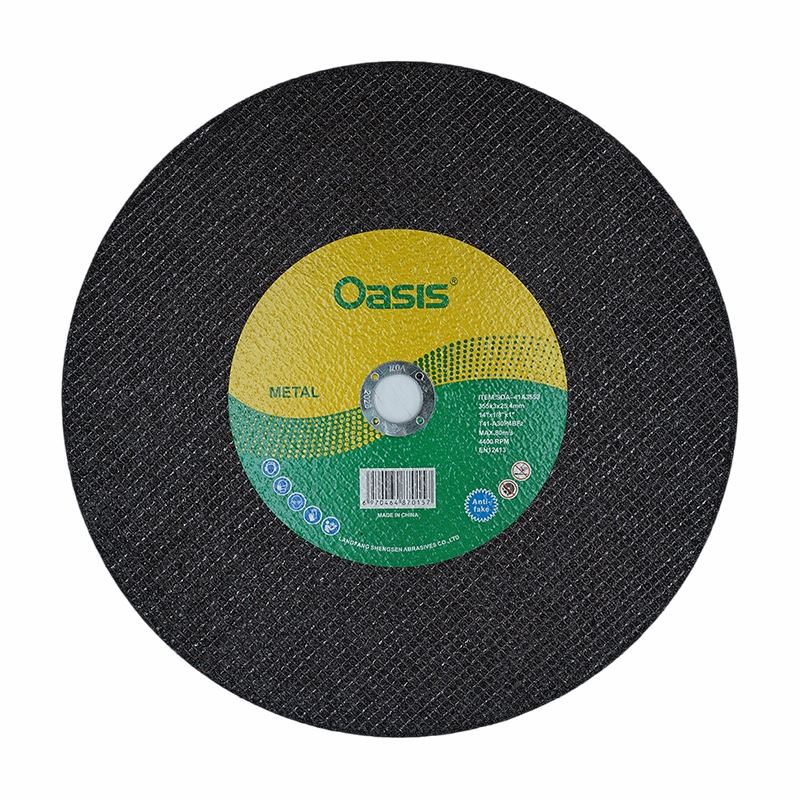
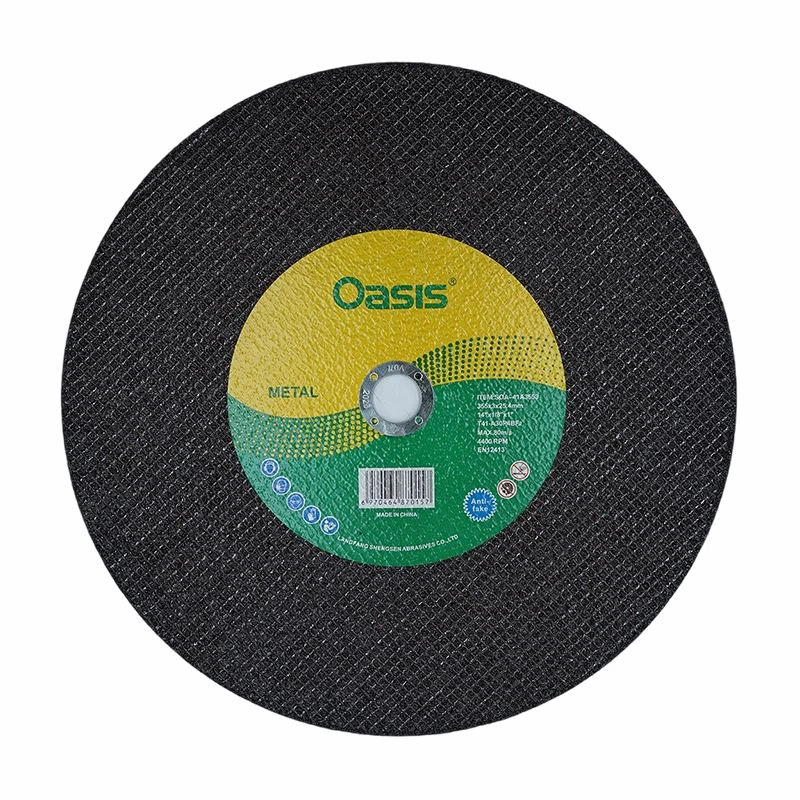
The first step in using a diamond cutting disc effectively is choosing the right one for the job. Different discs are designed for different materials. For example, if you're cutting through metal, you'll want a disc specifically made for metal cutting. Our Alloy&stone Cutting Disc is great for a variety of alloys and stones. If you're working on railway tracks, then our Rail Cutting Disc is the way to go. And of course, for a wide range of cutting tasks, our Diamond Cutting Disc is a top - notch choice.
Preparing the Workspace
Once you've got the right disc, it's time to prepare your workspace. Clear the area of any clutter or obstacles. Make sure the material you're cutting is stable and secure. If it's a large piece of concrete or stone, use clamps or other securing methods to prevent it from moving during the cutting process. A wobbly workpiece can not only make the cutting difficult but also increase the risk of accidents.
Mounting the Disc
Mounting the diamond cutting disc correctly is crucial. First, make sure the saw is turned off and unplugged. Check the arbor size of the saw and the disc to ensure they match. Place the disc on the arbor, and then use the appropriate washer and nut to secure it. Tighten the nut firmly, but don't over - tighten it as this can damage the disc or the saw.
Setting the Cutting Speed
The cutting speed depends on the material you're cutting. Generally, harder materials require a slower cutting speed. For example, when cutting through thick concrete, you'll want to run the saw at a lower RPM (revolutions per minute). On the other hand, when cutting through softer metals, you can increase the speed a bit. Refer to the manufacturer's guidelines for the recommended cutting speeds for different materials.
Starting the Cut
Now, it's time to start cutting. Hold the saw firmly with both hands. Make sure your feet are planted firmly on the ground for stability. Start the saw and let it reach its full speed before making contact with the material. When you're ready, gently lower the disc onto the material at a slow and steady pace. Don't force the disc into the material; let the diamonds do the work.
Cutting Technique
As you're cutting, keep the saw moving in a straight line. If you're making a long cut, it can be helpful to use a guide or a straightedge to keep the saw on track. Apply a consistent and moderate pressure. Too much pressure can cause the disc to overheat and wear out quickly, while too little pressure won't allow the diamonds to cut effectively.
Cooling the Disc
During the cutting process, the disc can heat up. Overheating can damage the diamonds and reduce the lifespan of the disc. To prevent this, you can use a coolant. For dry cutting, some saws have built - in ventilation systems to help dissipate heat. For wet cutting, you can use water as a coolant. Simply spray water onto the cutting area as you're cutting. This not only cools the disc but also helps to reduce dust.
Finishing the Cut
Once you've completed the cut, turn off the saw and let the disc come to a complete stop before removing it from the material. Inspect the cut to make sure it's clean and straight. If there are any rough edges, you can use a grinder or a file to smooth them out.
Maintaining the Disc
After each use, it's important to clean the disc. Remove any debris or dust that may have accumulated on it. You can use a brush or a cloth to clean the disc. Store the disc in a dry and safe place. Avoid storing it in a damp environment as this can cause rust or corrosion.
Troubleshooting
Sometimes, you may encounter problems when using a diamond cutting disc. If the disc is not cutting effectively, it could be due to a dull disc, incorrect cutting speed, or improper pressure. If the disc is making a lot of noise or vibrating excessively, it could be a sign that it's not mounted correctly or that there's a problem with the saw. In these cases, stop using the saw immediately and check for any issues.
Conclusion
Using a diamond cutting disc effectively requires the right technique, the right disc for the job, and proper safety precautions. By following these steps, you can get the most out of your diamond cutting disc and ensure a clean and efficient cut every time.
If you're in the market for high - quality diamond cutting discs, we've got you covered. Our discs are made with the highest quality diamonds and materials to ensure long - lasting performance. Whether you're a professional contractor or a DIY enthusiast, our Diamond Cutting Disc is a great choice for your cutting needs. If you have any questions or want to discuss your specific requirements, feel free to reach out to us. We're here to help you find the perfect solution for your projects.
References
- "Handbook of Abrasive Technology" by Peter K. Wright and Duncan B. Marsh
- "Cutting Tools and Abrasives" published by the American Society for Metals