

The chemical resistance of a felt wheel is a crucial characteristic that can significantly impact its performance and suitability for various applications. As a reputable felt wheel supplier, we understand the importance of this property and are committed to providing our customers with in - depth knowledge about it.
Composition of Felt Wheels and Chemical Resistance
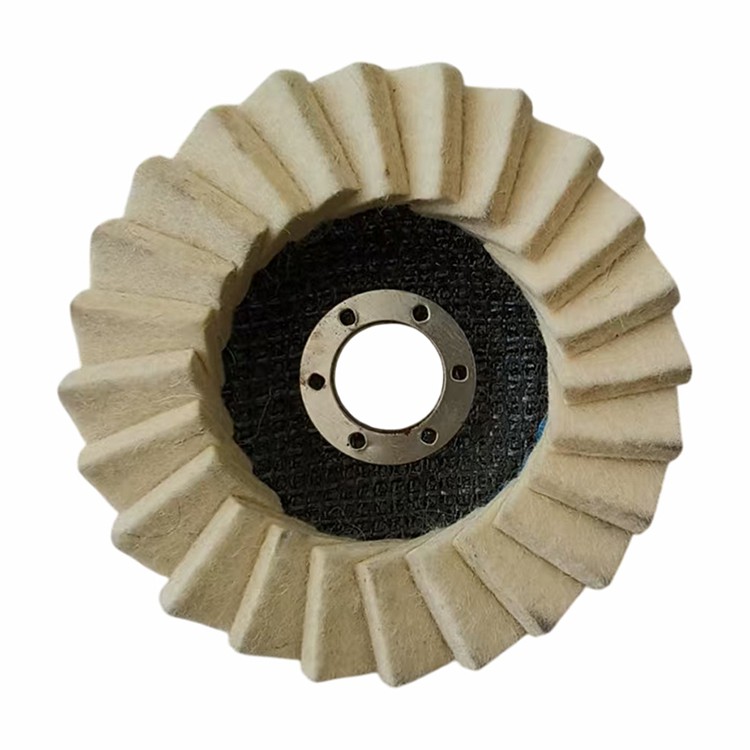
Most felt wheels are made from wool, a natural fiber. Wool felt wheels offer a unique set of properties, including a certain degree of chemical resistance. The structure of wool fibers, which consist mainly of keratin proteins, gives them some inherent protection against certain chemicals.
For example, wool is relatively resistant to alkalies at normal temperatures. It can withstand mild alkaline solutions without major structural damage. This makes wool felt wheels suitable for some applications where the presence of weak alkaline substances is expected. However, strong alkalies can react with the keratin in wool, breaking down the peptide bonds and causing the felt wheel to lose its integrity over time.
On the other hand, the resistance of wool felt wheels to acids is more limited. Strong acids can cause the wool fibers to shrink, harden, and become brittle. Organic acids, depending on their concentration and type, can also have a negative impact on the felt. Even weak acids may cause discoloration and a gradual degradation of the felt's physical properties.
Impact of Chemical Resistance on Different Applications
Polishing and Finishing Applications
In polishing and finishing operations, the chemical resistance of a felt wheel is of utmost importance. For instance, when using a Premium Wool Polishing Wheel to polish metal surfaces, the wheel may come into contact with various polishing compounds. Some of these compounds may have acidic or alkaline properties.
If the felt wheel has poor chemical resistance, it can react with the polishing compounds, leading to a change in the wheel's texture and performance. This can result in an uneven finish on the workpiece, reduced polishing efficiency, and even damage to the surface being polished. A felt wheel with good chemical resistance can maintain its shape and structure during the polishing process, ensuring consistent and high - quality results.
Machinery Applications
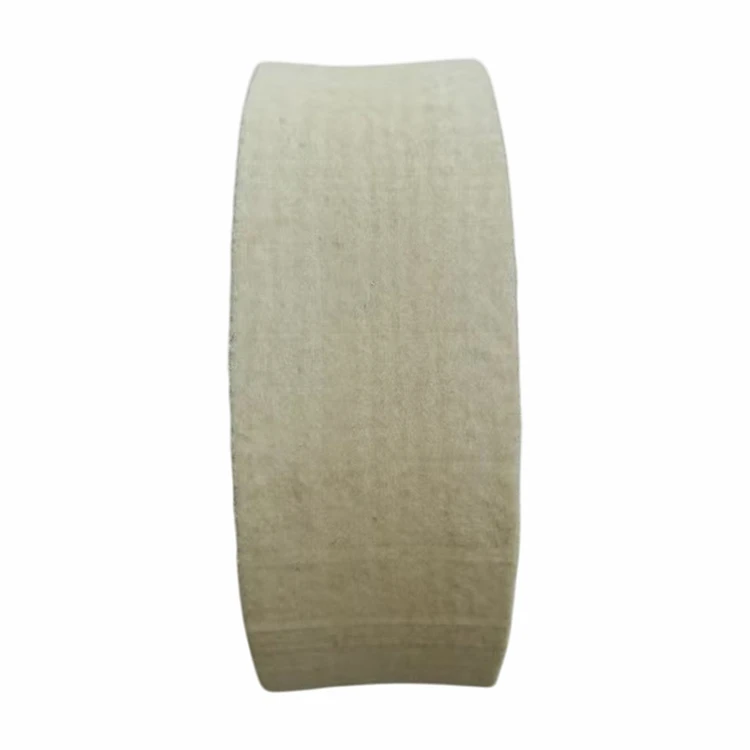
In machinery, Machinery Wool Felt Wheel are often used for tasks such as lubrication distribution, dust collection, and vibration damping. These wheels may be exposed to different chemicals present in the machinery environment, such as lubricants, coolants, and cleaning agents.
If the felt wheel is not chemically resistant to these substances, it can absorb and retain the chemicals, which may cause the wheel to swell, lose its elasticity, or even release harmful by - products. This can lead to malfunctions in the machinery, increased wear and tear on components, and reduced overall efficiency. A chemically resistant felt wheel can withstand these chemical exposures, ensuring the smooth operation of the machinery.
Factors Affecting Chemical Resistance of Felt Wheels
Fiber Quality
The quality of the wool fibers used in the felt wheel plays a significant role in its chemical resistance. High - quality wool fibers have a more uniform structure and a higher proportion of pure keratin, which provides better protection against chemical attacks. Lower - quality fibers may contain impurities or have a weaker protein structure, making them more susceptible to chemical damage.
Manufacturing Process
The manufacturing process of the felt wheel can also affect its chemical resistance. For example, the way the wool fibers are bonded together can impact the wheel's ability to resist chemicals. Wheels that are properly made with strong bonding agents and appropriate heat - setting procedures tend to have better chemical resistance. Additionally, any post - treatment processes, such as the application of protective coatings, can enhance the wheel's resistance to specific chemicals.
Testing Chemical Resistance of Felt Wheels
Immersion Tests
One common method for testing the chemical resistance of felt wheels is the immersion test. In this test, a sample of the felt wheel is immersed in a specific chemical solution for a set period of time. The changes in the sample's physical properties, such as weight, dimensions, color, and hardness, are then measured and analyzed.
For example, if a felt wheel sample is immersed in an alkaline solution and shows only minimal changes in weight and dimensions after a certain period, it indicates that the wheel has relatively good resistance to that alkaline substance. However, if the sample becomes significantly softer or its color changes drastically, it suggests poor chemical resistance.
Exposure Tests
Another way to test chemical resistance is through exposure tests. In these tests, the felt wheel is exposed to a chemical vapor or a mist over an extended period. This simulates real - world scenarios where the wheel may be exposed to chemical fumes in a manufacturing or industrial environment.
During the exposure test, the performance of the felt wheel is monitored. Any signs of degradation, such as a loss of strength or changes in the surface texture, are recorded. These tests can provide valuable information about how the felt wheel will perform under different chemical exposure conditions.
Our Felt Wheels and Chemical Resistance
At our company, we take great pride in the chemical resistance of our Wool Felt Wheel. We carefully select the highest - quality wool fibers and use advanced manufacturing processes to ensure that our felt wheels offer excellent chemical resistance.
We conduct rigorous chemical resistance testing on all our products to guarantee that they meet the highest industry standards. Whether you need a felt wheel for a mild chemical environment or a more challenging one, we can provide you with a solution that is both reliable and effective.
Conclusion
The chemical resistance of a felt wheel is a complex but essential property that affects its performance and durability in various applications. Understanding this property is crucial for choosing the right felt wheel for your specific needs.
As a leading felt wheel supplier, we are dedicated to providing our customers with felt wheels that offer outstanding chemical resistance. If you are in the market for high - quality felt wheels and want to learn more about how our products can meet your requirements, we encourage you to contact us for a detailed discussion and potential purchase. We look forward to working with you to find the perfect felt wheel solution for your business.
References
- "Textile Chemistry: Fundamentals and Applications", by J. W. S. Hearle.
- "Handbook of Wool Technology", edited by R. S. Blackburn.
- Industry reports on felt wheel manufacturing and applications.