

When it comes to the world of grinding discs, one of the most frequently asked questions is, "What is the diameter of a common grinding disc?" As a supplier of high - quality grinding discs, I am well - versed in this topic and eager to share my knowledge with you.

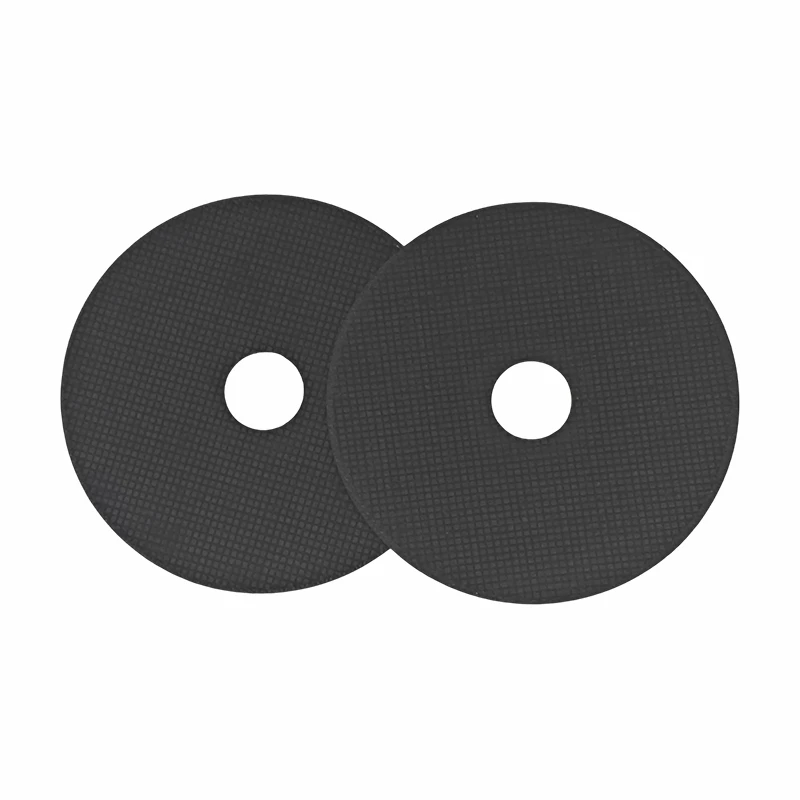
Understanding Grinding Disc Diameters
Grinding discs come in a wide range of diameters, each designed to meet specific industrial, commercial, and DIY needs. The diameter of a grinding disc is a crucial factor as it directly impacts the grinding area, the type of equipment it can be used with, and the overall efficiency of the grinding process.
Common diameters for grinding discs typically range from 4 inches (100mm) to 9 inches (230mm). The 4 - inch (100mm) grinding discs are often used in more delicate or precision grinding tasks. They are commonly employed in jewelry making, small - scale metalworking, and detailed woodworking. These smaller discs are lightweight and easy to handle, allowing for greater control and accuracy. For example, when working on intricate metal sculptures or fine - tuning the edges of small wooden components, a 4 - inch grinding disc is the ideal choice. You can find our high - quality Fish Scale Shaped Metal Grinding Disc in this size, which is perfect for such detailed work.
Moving up in size, 5 - inch (125mm) grinding discs are extremely popular in both professional and home workshops. They strike a good balance between the grinding area and maneuverability. These discs are commonly used for general metal grinding, such as removing rust, burrs, and weld seams on medium - sized metal parts. They are also suitable for some light - duty stone and concrete grinding. Many angle grinders are designed to accommodate 5 - inch discs, making them a versatile option for a wide range of applications.
6 - inch (150mm) grinding discs are often used in more heavy - duty metalworking and construction applications. They offer a larger grinding area compared to the 5 - inch discs, which means faster material removal. In construction, they can be used for grinding concrete surfaces, cutting through bricks, and shaping stone. In metal fabrication, they are great for grinding large metal sheets and structural components. Our Universal Grinding Disc in 6 - inch diameter is a reliable choice for these heavy - duty tasks.
7 - inch (180mm) and 9 - inch (230mm) grinding discs are typically reserved for the most demanding industrial applications. These large - diameter discs are used in heavy - duty metal grinding, large - scale concrete grinding, and demolition work. They require more powerful equipment to operate due to their size and weight. For example, in a steel mill, 9 - inch grinding discs are used to grind down large steel ingots and beams. Our Silicon Carbide Grinding Disc in these larger diameters is engineered to withstand the high - pressure and high - speed requirements of such industrial operations.
Factors Influencing the Choice of Grinding Disc Diameter
Several factors influence the choice of the appropriate grinding disc diameter for a particular task.
The first factor is the type of material being ground. Softer materials like wood or plastic may not require a large - diameter disc, as a smaller disc can achieve the desired finish without causing excessive material removal. On the other hand, harder materials such as metal and concrete often benefit from larger - diameter discs, which can remove material more quickly and efficiently.
The size of the workpiece also plays a significant role. For small workpieces, a smaller - diameter disc is more appropriate as it allows for better control and precision. For large workpieces, a larger - diameter disc can cover more area in less time, increasing productivity.
The power and capacity of the grinding equipment are also crucial. Smaller - diameter discs can be used with less powerful grinders, while larger - diameter discs require more powerful motors to operate effectively. Using a disc that is too large for the grinder can lead to overheating, reduced performance, and even damage to the equipment.
Quality and Performance of Our Grinding Discs
As a grinding disc supplier, we understand the importance of providing high - quality products. Our grinding discs are manufactured using the latest technology and the finest materials. We ensure that each disc meets strict quality control standards, guaranteeing consistent performance and durability.
Our Fish Scale Shaped Metal Grinding Disc is designed with a unique fish - scale pattern that provides excellent cutting performance and long - lasting sharpness. The Universal Grinding Disc is made from high - grade corundum, which offers superior grinding efficiency and resistance to wear. The Silicon Carbide Grinding Disc is ideal for grinding hard and brittle materials, with its high - hardness silicon carbide grains.
Conclusion and Call to Action
In conclusion, the diameter of a common grinding disc can vary widely depending on the application, material, and equipment. By understanding the different diameters available and the factors that influence their selection, you can make an informed decision when choosing a grinding disc for your project.
Whether you are a professional in the industrial sector or a DIY enthusiast, we have the right grinding disc for you. Our wide range of products, including those with different diameters, ensures that you can find the perfect solution for your grinding needs.
If you are interested in purchasing our high - quality grinding discs or have any questions about our products, please feel free to contact us. We are always ready to assist you in finding the most suitable grinding disc for your specific requirements. Start your next project with confidence, knowing that you have a reliable grinding disc from our company.
References
- "Handbook of Abrasive Technology" by John C. Aurich, et al.
- "Grinding and Finishing" by Malkin, S. and Guo, C.