

When it comes to the world of grinding discs, one crucial aspect that often determines their performance and longevity is impact resistance. As a supplier of grinding discs, I've witnessed firsthand the significance of this characteristic in various industrial and DIY applications. In this blog, we'll delve into what impact resistance means for a grinding disc, why it matters, and how it can influence your choice of the right product.
Understanding Impact Resistance
Impact resistance refers to a grinding disc's ability to withstand sudden forces or shocks without breaking, cracking, or losing its structural integrity. When a grinding disc is in use, it can encounter various types of impacts. For example, during the grinding process, if the disc hits a hard object or experiences an uneven surface, it is subjected to an impact. A disc with high impact resistance will be able to absorb and dissipate this energy, continuing to function effectively.
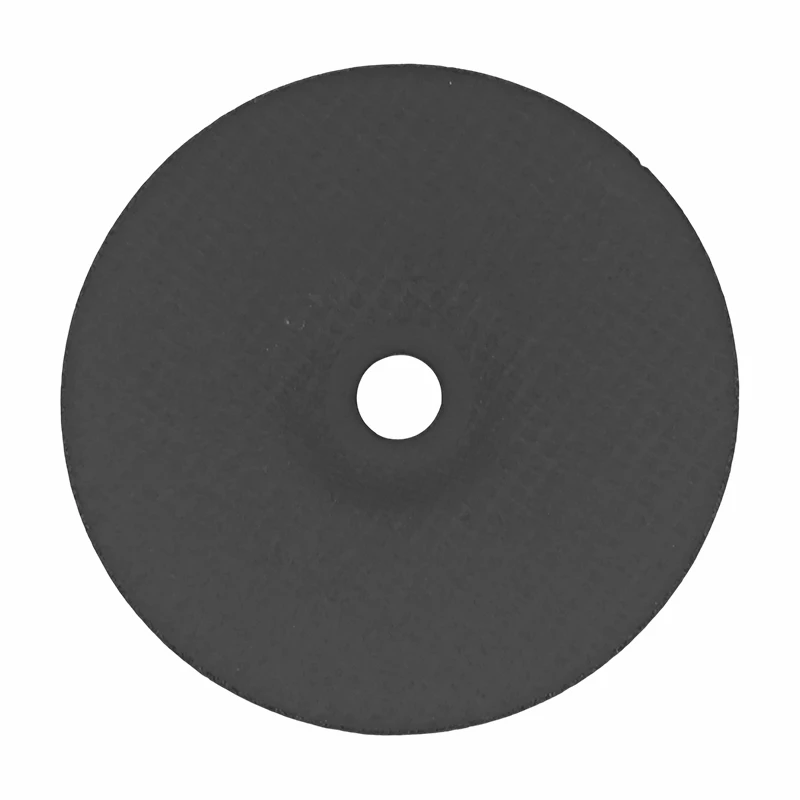

The materials used in the manufacturing of a grinding disc play a vital role in determining its impact resistance. Different abrasives and bonding agents have different properties that affect how well the disc can handle impacts. For instance, Silicon Carbide Grinding Disc are known for their hardness and sharpness. Silicon carbide is a very brittle material, but when properly bonded, it can offer a certain level of impact resistance. These discs are often used for grinding non - ferrous metals, ceramics, and stone. The bonding agent holds the silicon carbide grains together, and a high - quality bond can help the disc withstand some degree of impact.
On the other hand, Ceramic Corundum Grinding Disc are made from ceramic corundum abrasives. Ceramic corundum is a tough and durable material. It has a self - sharpening property, which means that as the disc wears, new sharp edges are exposed. This type of disc can typically handle higher impacts compared to some other types because of the inherent toughness of the ceramic corundum grains and the strong bonding agents used in its construction. They are commonly used for heavy - duty grinding applications on metals such as stainless steel and high - alloy steels.
Why Impact Resistance Matters
Safety
One of the most important reasons why impact resistance matters is safety. A grinding disc that shatters or breaks during use can pose a serious hazard to the operator. Flying fragments can cause eye injuries, cuts, and even more severe bodily harm. High - impact - resistant discs are less likely to break under normal operating conditions, reducing the risk of such accidents. For example, in a manufacturing plant where workers are using grinding discs on a daily basis, a disc with poor impact resistance could lead to frequent safety incidents, resulting in lost workdays and increased insurance costs.
Performance
Impact resistance also affects the performance of the grinding disc. A disc that can withstand impacts will maintain its shape and abrasive surface for a longer time. When a disc breaks or chips due to an impact, its grinding efficiency decreases significantly. The uneven surface can cause uneven grinding, leaving rough spots on the workpiece. In contrast, a disc with good impact resistance will continue to grind smoothly and consistently, providing a high - quality finish. For instance, in the automotive industry, where precision grinding is required for engine components, a grinding disc with poor impact resistance could lead to defective parts, which can be costly to replace.
Cost - effectiveness
From a cost - effectiveness perspective, impact - resistant grinding discs are a better investment. Although they may be more expensive upfront, they last longer and require fewer replacements. A disc that breaks easily will need to be replaced frequently, increasing the overall cost of grinding operations. Additionally, the downtime associated with changing discs can also reduce productivity. For example, in a construction project where grinding is used to prepare surfaces for painting or tiling, using a high - impact - resistant disc can save both time and money in the long run.
Factors Affecting Impact Resistance
Abrasive Grain Size
The size of the abrasive grains in a grinding disc can affect its impact resistance. Larger grains generally provide more aggressive grinding, but they may also be more prone to chipping or breaking under impact. Smaller grains, on the other hand, are more likely to withstand impacts because they are more closely packed and better supported by the bonding agent. However, smaller grains may have a lower material removal rate. Therefore, a balance needs to be struck between grain size and impact resistance based on the specific grinding application.
Bonding Agent
The bonding agent is what holds the abrasive grains together in a grinding disc. Different types of bonding agents have different levels of strength and flexibility. Resin bonds are commonly used in grinding discs. They offer a good balance between strength and flexibility, which can enhance impact resistance. Vitrified bonds are very hard and rigid, providing high - precision grinding but may be more brittle and less impact - resistant compared to resin bonds. Metal bonds are extremely strong and are often used in applications where high - pressure grinding is required, but they may also be more prone to cracking under sudden impacts.
Manufacturing Process
The manufacturing process of a grinding disc can also influence its impact resistance. A well - manufactured disc will have a uniform distribution of abrasive grains and a strong bond between the grains and the bonding agent. For example, during the pressing and curing process, if the disc is not properly formed, it may have weak spots that are more likely to break under impact. Quality control measures during manufacturing, such as inspecting for cracks and ensuring proper density, are essential for producing high - impact - resistant grinding discs.
Applications and Impact Resistance Requirements
Industrial Applications
In industrial applications, such as metal fabrication and machining, high - impact - resistant grinding discs are essential. For example, in a steel mill where large steel plates are being ground, the discs need to be able to withstand the high forces generated during the grinding process. Ceramic Straight Wheels are often used in these applications. They are designed to handle heavy - duty grinding and can withstand the impacts associated with grinding large, thick workpieces.
DIY Applications
Even in DIY applications, impact resistance is important. For example, a homeowner who is using a grinding disc to remove rust from a metal fence or to shape a piece of wood needs a disc that can handle the occasional impact. A disc that breaks easily can make the DIY project frustrating and potentially dangerous. Silicon carbide grinding discs are a popular choice for DIYers because they are relatively inexpensive and can offer a reasonable level of impact resistance for light - to - medium - duty grinding tasks.
Choosing the Right Grinding Disc Based on Impact Resistance
When choosing a grinding disc, it's important to consider the specific requirements of your application. If you are working on a high - impact application, such as grinding thick metal plates or working in a high - vibration environment, a ceramic corundum grinding disc or a high - quality resin - bonded disc may be the best choice. If you are working on a lighter - duty application, such as grinding small metal parts or wood, a silicon carbide grinding disc may be sufficient.
It's also important to follow the manufacturer's recommendations regarding the use of the grinding disc. This includes using the correct speed, pressure, and type of grinder. Using a disc outside of its recommended parameters can increase the risk of impact - related failures.
As a grinding disc supplier, I'm committed to providing high - quality products with excellent impact resistance. If you have any questions about choosing the right grinding disc for your needs or if you're interested in purchasing our products, please don't hesitate to contact us. We can offer expert advice and help you find the perfect grinding disc for your application. Whether you're a large industrial manufacturer or a DIY enthusiast, we have the right solution for you.
References
- "Grinding Technology: Theory and Applications of Machining with Abrasives" by Wayne R. Scott
- "Abrasive Machining Processes: Modeling and Simulation" by Rajiv Shivpuri and Yung C. Shin
- Industry standards and guidelines related to grinding disc safety and performance.