

Hey there! I'm a supplier of Rail Cutting Discs, and today I wanna chat about something super interesting: What is the influence of the disc's rotation direction on the cutting result?
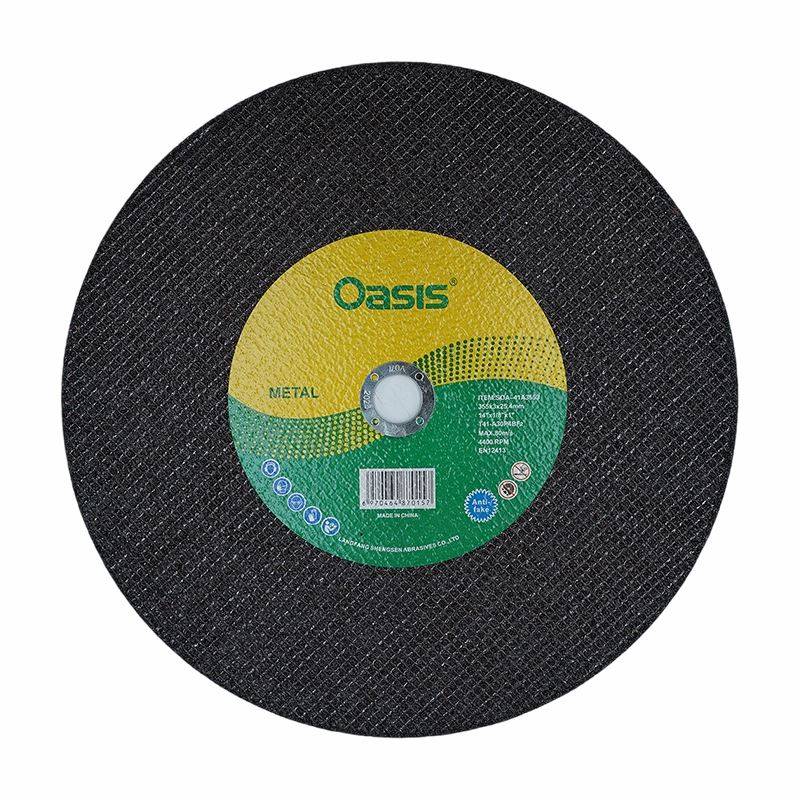
Let's start with the basics. When we're talking about cutting discs, there are different types out there, like the Diamond Cutting Disc and the Ceramic Corundum Cutting Disc. But my focus here is on the Rail Cutting Disc that I supply.
First off, we need to understand how a cutting disc works. A cutting disc rotates at high speed and uses its abrasive edge to grind through the material, in this case, rails. The rotation direction isn't just a random thing; it can have a big impact on how well the cutting goes.
The Right Rotation Direction for Efficiency
When the cutting disc rotates in the correct direction, it can really boost the cutting efficiency. For a rail cutting disc, the ideal rotation direction is usually set by the manufacturer. This direction is designed to make the most of the disc's abrasive properties.
The cutting action is more effective when the disc rotates so that the abrasive particles are moving in a way that they can dig into the rail material smoothly. If the rotation is in the right direction, the disc can cut through the rail faster, which means less time spent on each cut. This is a huge plus for any construction or maintenance project where time is money.
For example, in a large - scale railway construction project, if the workers use the rail cutting disc with the correct rotation direction, they can complete more cuts in a day. This not only speeds up the overall project but also reduces labor costs.
Impact on Cutting Quality
The rotation direction also has a big say in the quality of the cut. When the disc rotates in the proper direction, it can produce a cleaner cut. The abrasive particles are working in harmony with the cutting motion, which helps to minimize rough edges and burrs on the cut rail.
On the other hand, if the rotation direction is wrong, the cut may be uneven. The disc might not be able to grind through the rail evenly, leading to a jagged edge. This can be a real problem, especially in applications where the rails need to fit precisely together. For instance, in a high - speed railway, a poor - quality cut can affect the alignment of the rails, which could potentially lead to safety issues down the line.
Wear and Tear on the Disc
Another important aspect is how the rotation direction affects the wear and tear of the cutting disc. When the disc rotates in the correct direction, the wear is more evenly distributed across the abrasive surface. This means that the disc lasts longer, which is great for cost - effectiveness.
If the rotation direction is incorrect, some parts of the disc may wear out much faster than others. This uneven wear can cause the disc to become unbalanced, which not only shortens its lifespan but can also be dangerous. An unbalanced disc can vibrate excessively during operation, increasing the risk of the disc breaking apart.
Safety Considerations
Safety is always a top priority when using any cutting equipment, and the rotation direction of the cutting disc is no exception. Using the disc in the wrong rotation direction can increase the risk of accidents.
For example, if the disc is rotating in a direction that causes it to kick back, it can be very dangerous for the operator. The disc might suddenly jump out of the cut, hitting the operator or other nearby workers. By following the correct rotation direction, we can significantly reduce these safety risks.
How to Determine the Correct Rotation Direction
So, how do you know which way the rail cutting disc should rotate? Well, it's usually marked on the disc itself. The manufacturer will indicate the correct rotation direction with an arrow or some other clear marking.
It's also a good idea to read the user manual that comes with the cutting disc. The manual will provide detailed instructions on how to install and use the disc correctly, including the proper rotation direction. And if you're still not sure, you can always contact the manufacturer or supplier (like me!) for advice.
Practical Tips for Using Rail Cutting Discs
Here are some practical tips for getting the best results with your rail cutting disc based on the rotation direction:
- Check the Markings: Before you start using the disc, always double - check the rotation direction marking. Make sure your cutting machine is set up to rotate the disc in the correct direction.
- Inspect the Disc: Look for any signs of damage or wear on the disc. A damaged disc may not cut properly even if the rotation direction is correct.
- Use the Right Equipment: Make sure your cutting machine is suitable for the rail cutting disc. Using the wrong machine can affect the rotation and the overall cutting performance.
Conclusion
In conclusion, the rotation direction of a rail cutting disc has a significant influence on the cutting result. It affects the efficiency, quality of the cut, wear and tear of the disc, and most importantly, safety. By understanding and following the correct rotation direction, you can get the best out of your rail cutting disc.
If you're in the market for high - quality rail cutting discs, I'm here to help. Whether you have questions about rotation direction or any other aspect of using cutting discs, feel free to reach out. We can have a chat about your specific needs and find the perfect solution for your project. Let's work together to make your cutting tasks easier and more efficient!
References
- General knowledge of cutting disc technology and railway construction practices.
- Manufacturer's guidelines for rail cutting discs.