

As a seasoned supplier of Rail Cutting Discs, I often encounter inquiries from customers about the lifespan of these essential tools under normal use. Understanding the factors that influence the longevity of a rail cutting disc is crucial for both professionals in the construction and metalworking industries and DIY enthusiasts. In this blog post, I'll delve into the key aspects that determine how long a rail cutting disc can last and offer insights to help you maximize its performance.
Understanding Rail Cutting Discs
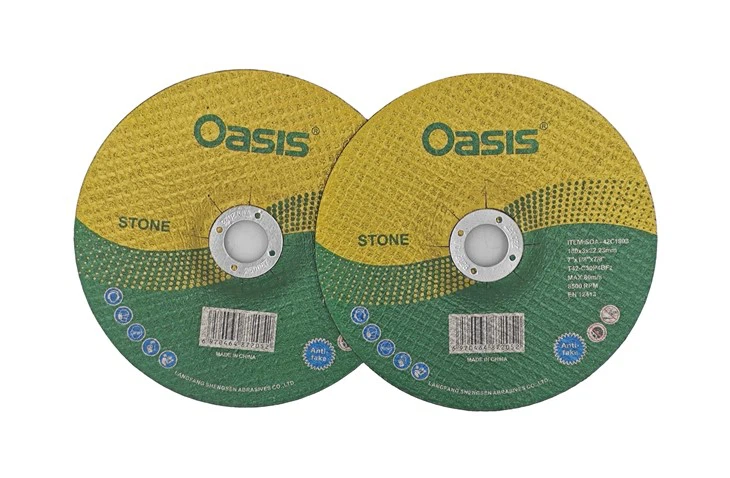
Before we discuss the lifespan, let's briefly understand what a rail cutting disc is. Rail cutting discs are specialized abrasive tools designed to cut through various types of rails, including steel and iron. They are typically made from a combination of abrasive grains and a bonding agent, which holds the grains together and provides the necessary strength and stability during cutting operations.
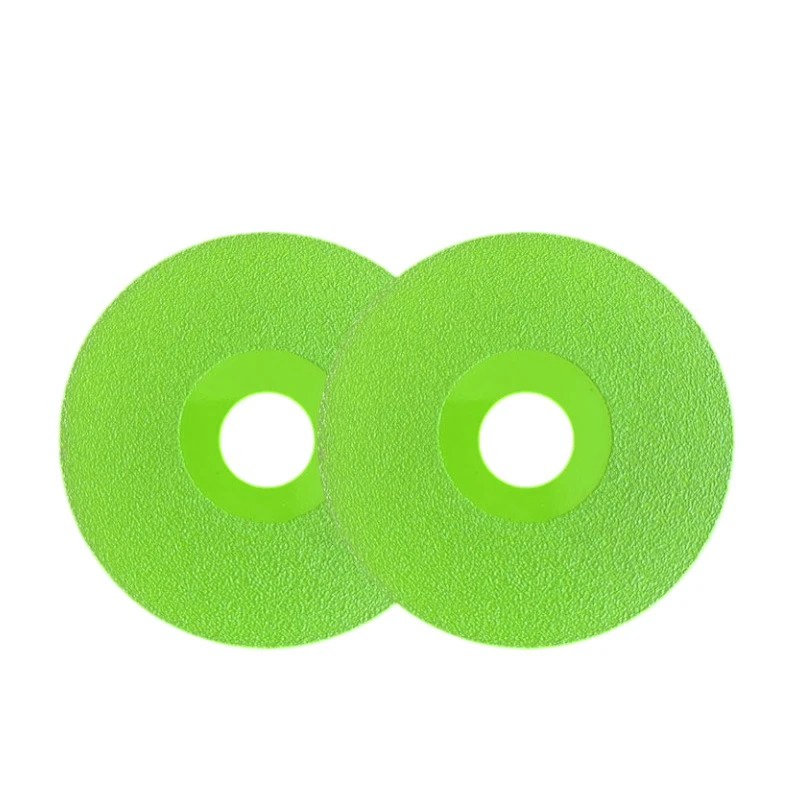
There are different types of rail cutting discs available in the market, each with its own unique characteristics and applications. For instance, Alloy&stone Cutting Disc are suitable for cutting through a variety of materials, including alloys and stones. On the other hand, Diamond Cutting Disc are known for their exceptional hardness and durability, making them ideal for cutting through hard materials such as concrete and ceramic.
Factors Affecting the Lifespan of a Rail Cutting Disc
Several factors can influence the lifespan of a rail cutting disc under normal use. These include:
1. Quality of the Disc
The quality of the rail cutting disc is one of the most important factors that determine its lifespan. High-quality discs are typically made from premium abrasive grains and a strong bonding agent, which ensures better cutting performance and longer durability. Cheaper discs, on the other hand, may use lower-quality materials, which can result in faster wear and tear and a shorter lifespan.
2. Type of Material Being Cut
The type of material being cut also plays a significant role in determining the lifespan of a rail cutting disc. Harder materials, such as stainless steel and high-strength alloys, require more abrasive force to cut through, which can cause the disc to wear out more quickly. Softer materials, such as mild steel and aluminum, are easier to cut and put less stress on the disc, resulting in a longer lifespan.
3. Cutting Conditions
The cutting conditions, such as the cutting speed, pressure, and cooling, can also affect the lifespan of a rail cutting disc. Cutting at a high speed or applying too much pressure can generate excessive heat, which can cause the disc to overheat and wear out more quickly. Using a coolant or lubricant during cutting can help reduce heat and friction, thereby extending the lifespan of the disc.
4. Operator Skill
The skill and experience of the operator can also have an impact on the lifespan of a rail cutting disc. A skilled operator will know how to use the disc correctly, apply the right amount of pressure, and maintain a consistent cutting speed, which can help prolong the life of the disc. Inexperienced operators, on the other hand, may make mistakes that can cause the disc to wear out more quickly.
Average Lifespan of a Rail Cutting Disc
The average lifespan of a rail cutting disc under normal use can vary depending on the factors mentioned above. However, as a general rule of thumb, a high-quality rail cutting disc can last anywhere from 10 to 50 cuts, depending on the type of material being cut and the cutting conditions.
For example, if you are cutting through mild steel rails under normal cutting conditions, a good-quality rail cutting disc can last for around 30 to 50 cuts. On the other hand, if you are cutting through harder materials such as stainless steel or high-strength alloys, the disc may only last for 10 to 20 cuts.
Tips to Extend the Lifespan of a Rail Cutting Disc
To maximize the lifespan of your rail cutting disc, here are some tips to keep in mind:
1. Choose the Right Disc
Selecting the right rail cutting disc for the job is crucial. Make sure to choose a disc that is specifically designed for the type of material you are cutting and the cutting conditions. Using the wrong disc can result in poor cutting performance and a shorter lifespan.
2. Follow the Manufacturer's Instructions
Always follow the manufacturer's instructions when using a rail cutting disc. This includes using the correct cutting speed, pressure, and coolant, as well as proper handling and storage of the disc. Ignoring the manufacturer's instructions can void the warranty and reduce the lifespan of the disc.
3. Use the Right Equipment
Using the right equipment, such as a high-quality angle grinder or circular saw, can also help extend the lifespan of your rail cutting disc. Make sure the equipment is in good working condition and is compatible with the disc you are using.
4. Maintain the Disc
Proper maintenance of the rail cutting disc is essential for maximizing its lifespan. This includes keeping the disc clean and dry, avoiding overheating, and replacing the disc when it becomes worn or damaged.
Conclusion
In conclusion, the lifespan of a rail cutting disc under normal use can vary depending on several factors, including the quality of the disc, the type of material being cut, the cutting conditions, and the operator skill. By choosing the right disc, following the manufacturer's instructions, using the right equipment, and maintaining the disc properly, you can extend its lifespan and get the most out of your investment.
If you are in the market for high-quality rail cutting discs, look no further than Rail Cutting Disc. Our discs are made from premium materials and are designed to provide exceptional cutting performance and durability. Contact us today to learn more about our products and how we can help you with your cutting needs.
References
- Abrasive Engineering Handbook
- Cutting Tools and Abrasives: A Practical Guide