

When it comes to using a cutting disc inox, one of the crucial aspects that often gets overlooked is the noise level. As a cutting disc inox supplier, I understand the significance of this factor, not only for the safety and comfort of the operators but also for the overall efficiency of the cutting operations. In this blog, we'll delve into the noise levels associated with using a cutting disc inox, explore the factors that influence it, and discuss the implications for users.
Understanding Noise Levels in Cutting Disc Inox Operations
Noise is an inevitable by - product of any cutting operation. When a cutting disc inox is in use, it generates sound due to the interaction between the disc and the material being cut, as well as the mechanical operation of the cutting equipment. The noise level is typically measured in decibels (dB).
The noise level when using a cutting disc inox can vary widely depending on several factors. On average, the noise level during normal cutting operations can range from 90 dB to 110 dB. To put this into perspective, a normal conversation is around 60 dB, and prolonged exposure to noise levels above 85 dB can cause hearing damage.
Factors Influencing the Noise Level
1. Disc Speed
The speed at which the cutting disc inox rotates has a significant impact on the noise level. Higher rotational speeds generally result in louder noise. This is because as the disc spins faster, the force of its interaction with the material increases, creating more vibrations and thus more noise. For example, if a cutting disc is operating at its maximum rated speed, the noise level can be substantially higher compared to when it is running at a lower, more controlled speed.
2. Material Being Cut
The type of material being cut also plays a vital role. Harder materials such as stainless steel, which is commonly cut with inox cutting discs, require more force to cut through. This increased force leads to greater friction and vibration between the disc and the material, resulting in a higher noise level. In contrast, softer materials may produce less noise during the cutting process.
3. Cutting Equipment Quality
The quality of the cutting equipment can affect the noise level. Well - maintained and high - quality cutting machines are often designed to minimize vibrations and noise. They are equipped with better - balanced motors and components that can reduce the overall noise output. On the other hand, older or poorly maintained equipment may produce more noise due to loose parts, misaligned components, or worn - out bearings.
4. Disc Design and Condition
The design of the cutting disc inox itself can influence the noise level. Discs with a more aerodynamic design may generate less noise as they move through the air. Additionally, the condition of the disc is important. A worn - out or damaged disc can create uneven cutting, leading to increased vibrations and noise. For instance, if the teeth of the disc are chipped or dull, it will require more force to cut, which in turn raises the noise level.
Implications of High Noise Levels
1. Health Risks
As mentioned earlier, prolonged exposure to high noise levels can cause permanent hearing damage. Workers who regularly use cutting disc inox are at risk of developing noise - induced hearing loss (NIHL). Symptoms of NIHL can include tinnitus (ringing in the ears), difficulty hearing in noisy environments, and a gradual loss of hearing sensitivity. This not only affects the quality of life of the workers but can also lead to long - term disability.
2. Workplace Safety
High noise levels can also have an impact on workplace safety. Excessive noise can mask important sounds such as warning signals, machinery alarms, or the voices of colleagues. This can increase the risk of accidents and injuries in the workplace. For example, if a worker cannot hear a warning signal due to the loud noise of the cutting disc, they may not be able to react in time to avoid a dangerous situation.
3. Productivity
In a noisy environment, workers may experience reduced concentration and productivity. The constant loud noise can be distracting and fatiguing, making it difficult for them to focus on their tasks. This can lead to slower cutting speeds, more errors, and a decrease in overall work efficiency.
How to Reduce Noise Levels
1. Use of Personal Protective Equipment (PPE)
One of the most straightforward ways to protect workers from high noise levels is by providing them with appropriate PPE. Earplugs and earmuffs are commonly used to reduce the amount of noise reaching the ears. It is important to ensure that workers are properly trained on how to use and maintain their PPE to maximize its effectiveness.
2. Equipment Maintenance
Regular maintenance of the cutting equipment is essential. This includes checking and tightening loose parts, lubricating moving components, and replacing worn - out parts. By keeping the equipment in good condition, the noise level can be significantly reduced.
3. Selecting the Right Disc
Choosing the right cutting disc inox for the job can also help in reducing noise. Opt for discs that are designed to minimize vibrations and noise. For example, some discs are specifically engineered with noise - reducing features such as special tooth designs or damping materials.
4. Workspace Design
The layout of the workspace can also play a role in reducing noise. Isolating the cutting area from other parts of the workplace can prevent the noise from spreading. Using sound - absorbing materials on the walls and floors of the cutting area can also help to reduce the overall noise level.
Our Range of Cutting Discs
As a cutting disc inox supplier, we offer a wide range of high - quality cutting discs that are designed to meet different needs. Our Alloy&stone Cutting Disc is suitable for cutting both alloy materials and stones. It is engineered to provide efficient cutting with relatively low noise levels.
Our Universal Cutting Disc is a versatile option that can be used for various materials, including stainless steel. It is designed to have a balanced performance in terms of cutting speed, durability, and noise reduction.
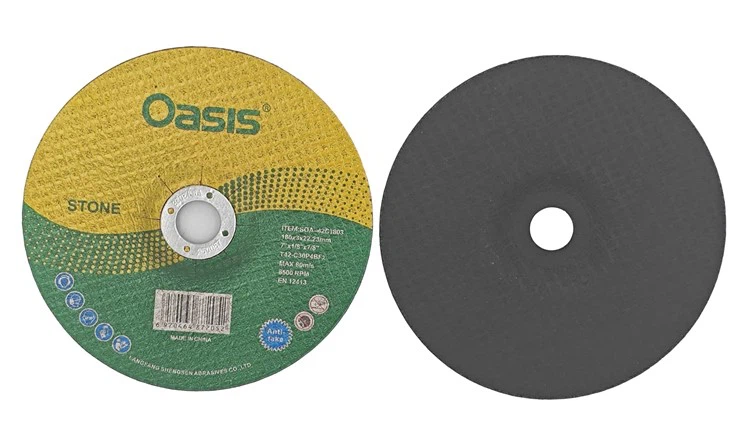

For those in the railway industry, our Rail Cutting Disc is specifically designed to cut through rails effectively. It is built to withstand the high - pressure cutting required for rail materials while keeping the noise level under control.
Contact Us for Your Cutting Disc Needs
If you are looking for high - quality cutting disc inox products that offer low noise levels and excellent performance, we are here to help. Whether you need a disc for a small - scale project or a large - scale industrial operation, we can provide you with the right solution. Contact us today to discuss your requirements and start a procurement negotiation. Our team of experts will be happy to assist you in finding the perfect cutting disc for your specific needs.
References
- Occupational Safety and Health Administration (OSHA). "Noise and Hearing Loss Prevention."
- American National Standards Institute (ANSI). "Acoustics - Noise Limits for Machinery and Equipment."
- International Organization for Standardization (ISO). "ISO 1999:2013 Acoustics - Determination of occupational noise exposure and estimation of noise - induced hearing impairment."