

When it comes to using an alloy cutting wheel, one of the most frequently asked questions is: What is the recommended RPM (Revolutions Per Minute)? As a supplier of alloy cutting wheels, I'm here to shed light on this crucial topic to help you make informed decisions and ensure both efficiency and safety in your cutting operations.
Understanding RPM and Its Significance
RPM refers to the number of full rotations a cutting wheel makes in one minute. It is a vital parameter because it directly affects the cutting performance, the lifespan of the wheel, and most importantly, the safety of the operator. If the RPM is too low, the cutting process may be inefficient, leading to slower work progress and potentially overheating the wheel. On the other hand, if the RPM is too high, it can cause the wheel to break apart, posing a serious safety hazard.
Factors Affecting the Recommended RPM
Several factors influence the recommended RPM for an alloy cutting wheel. Let's take a closer look at each of them.
Wheel Diameter
The diameter of the cutting wheel is one of the primary factors determining the recommended RPM. Generally, smaller wheels can handle higher RPMs compared to larger ones. This is because the outer edge of a larger wheel travels a greater distance in one rotation than a smaller wheel. For example, a 4 - inch cutting wheel may have a recommended RPM of around 13,000, while a 9 - inch wheel might have a recommended RPM of 6,600. As the diameter increases, the RPM needs to be reduced to maintain a safe and effective cutting speed.
Wheel Thickness
The thickness of the alloy cutting wheel also plays a role in determining the RPM. Thicker wheels are more robust and can typically withstand higher RPMs. A thinner wheel, however, may be more prone to breakage at high speeds. Manufacturers usually provide guidelines based on the wheel's thickness to ensure optimal performance and safety.
Material of the Wheel
The material used to make the cutting wheel is another important factor. Different materials have different properties, such as hardness, toughness, and heat resistance. For instance, a Ceramic Corundum Cutting Disc is made of ceramic corundum grains, which are very hard and can withstand high - speed cutting. It may have a different recommended RPM compared to a wheel made of other materials. Similarly, Alloy&stone Cutting Disc and Diamond Cutting Disc have their own unique characteristics that influence the RPM.
Cutting Machine Compatibility
The RPM of the cutting wheel must be compatible with the speed capabilities of the cutting machine. Using a wheel with a recommended RPM that is higher than the machine's maximum speed will result in sub - optimal cutting performance. Conversely, using a wheel with a lower recommended RPM than the machine's speed can be dangerous. Always check the specifications of both the cutting wheel and the machine to ensure they are compatible.
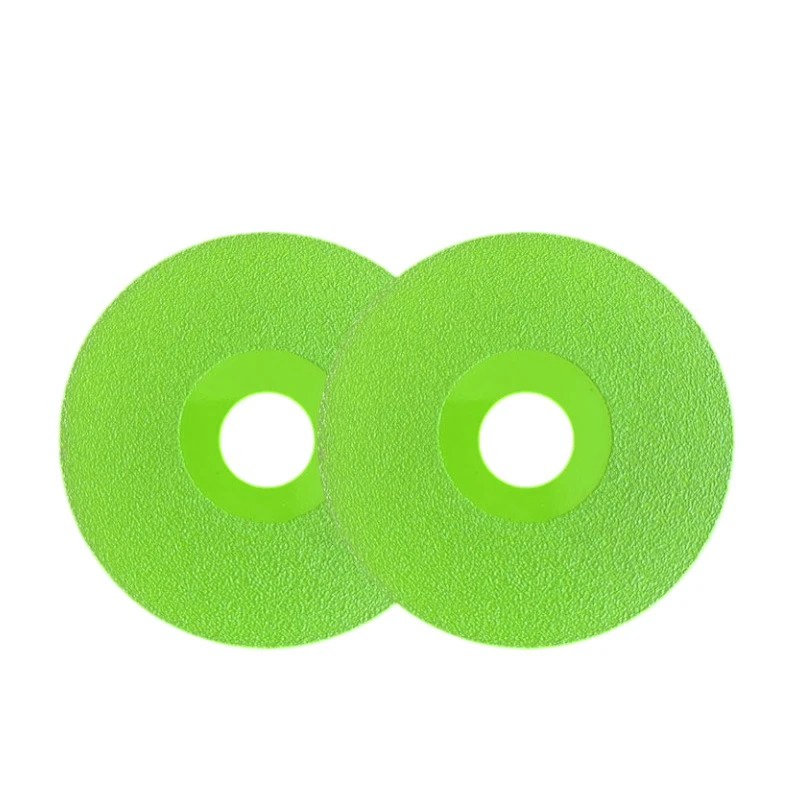

How to Determine the Recommended RPM
To find the recommended RPM for an alloy cutting wheel, the first step is to check the manufacturer's label. Every cutting wheel should have a label that clearly indicates the maximum recommended RPM. This label is placed on the wheel for a reason - it is based on extensive testing and safety standards.
If, for some reason, the label is missing or unreadable, you can contact the manufacturer directly. As a supplier, we are always ready to provide accurate information about the recommended RPM for our products. Additionally, you can refer to industry standards and guidelines. Organizations such as the Occupational Safety and Health Administration (OSHA) in the United States have set regulations regarding the safe use of cutting wheels, which include RPM limits.
Safety Precautions Related to RPM
Safety should always be the top priority when using an alloy cutting wheel. Here are some safety precautions related to RPM:
Do Not Exceed the Recommended RPM
This cannot be emphasized enough. Exceeding the recommended RPM can cause the wheel to break apart, sending sharp fragments flying at high speeds. This can result in serious injuries to the operator and those in the vicinity. Always make sure the cutting machine is set to a speed within the wheel's recommended RPM range.
Regularly Inspect the Wheel
Before each use, inspect the cutting wheel for any signs of damage, such as cracks or chips. A damaged wheel is more likely to fail at high speeds, even if the RPM is within the recommended range. If you notice any damage, do not use the wheel and replace it immediately.
Use the Right Protective Gear
Wear appropriate protective gear, including safety glasses, a face shield, gloves, and ear protection. This will help protect you from flying debris and noise generated during the cutting process.
The Impact of RPM on Cutting Performance
In addition to safety, the RPM also has a significant impact on the cutting performance.
Cutting Speed
The right RPM ensures an optimal cutting speed. When the RPM is within the recommended range, the cutting wheel can remove material efficiently, resulting in a clean and smooth cut. If the RPM is too low, the cutting speed will be slow, and the wheel may get clogged with the material being cut. This can lead to overheating and premature wear of the wheel.
Surface Finish
The RPM can also affect the surface finish of the cut. A proper RPM helps in achieving a fine surface finish, which is important in applications where aesthetics or precision are required. For example, in metal fabrication, a smooth surface finish may be necessary for subsequent welding or painting processes.
Case Studies
Let's look at a few case studies to illustrate the importance of using the correct RPM.
Case 1: A Metal Fabrication Shop
A metal fabrication shop was using alloy cutting wheels at a higher RPM than recommended. As a result, the wheels were breaking frequently, causing production delays and increasing costs. After consulting with us, they adjusted the RPM of their cutting machines to the recommended levels. This led to a significant reduction in wheel breakage, improved cutting performance, and a decrease in overall costs.
Case 2: A Construction Site
On a construction site, workers were using cutting wheels with a lower RPM than the machine's speed. The cutting process was slow, and the wheels were overheating. Once they switched to wheels with a compatible RPM, the cutting speed increased, and the wheels lasted longer.
Conclusion
In conclusion, the recommended RPM for an alloy cutting wheel is a critical factor that affects both safety and cutting performance. It is determined by various factors such as wheel diameter, thickness, material, and cutting machine compatibility. Always check the manufacturer's label for the recommended RPM, and follow safety precautions to prevent accidents.
As a supplier of high - quality alloy cutting wheels, we are committed to providing our customers with the best products and accurate information. If you have any questions about the recommended RPM for our cutting wheels or need help in selecting the right wheel for your application, please feel free to contact us for procurement and further discussions. We look forward to serving you and meeting your cutting needs.
References
- Occupational Safety and Health Administration (OSHA). Regulations on the safe use of cutting wheels.
- Manufacturer's guidelines for alloy cutting wheels.