

Hey there! As a cutting disc supplier, I've seen firsthand how crucial the choice of abrasive type is in a cutting disc. It's not just a small detail; it can make or break your cutting job. Let's dive into what role the abrasive type plays in a cutting disc.
First off, let's talk about what abrasives are. Abrasives are the materials in a cutting disc that actually do the cutting. They're the ones that grind away at the material you're working on. Different abrasive types have different properties, and these properties determine how well the cutting disc will perform in various situations.
One of the most common abrasive types is aluminum oxide. Aluminum oxide abrasives are tough and durable. They're great for cutting through a wide range of materials, including mild steel, stainless steel, and non - ferrous metals. The reason they're so popular is that they can hold up well under high pressure and heat. When you're cutting through thick metal, for example, the aluminum oxide abrasive won't break down easily. It keeps on cutting, giving you a smooth and consistent cut. But it's not perfect. Aluminum oxide abrasives might wear out a bit faster when cutting through harder materials like ceramics or some high - alloy steels.
Then there's silicon carbide. Silicon carbide abrasives are super sharp. They're ideal for cutting through non - metallic materials such as stone, concrete, and glass. The sharp edges of silicon carbide can quickly slice through these hard, brittle materials. If you're in the construction business and need to cut through concrete blocks or tiles, a cutting disc with silicon carbide abrasives is your best bet. However, silicon carbide isn't as strong as some other abrasives when it comes to cutting metals. It can chip or break more easily under the high stress of metal cutting.
Now, let's look at some of the more specialized abrasive types. For instance, Diamond Cutting Disc. Diamond is the hardest material on Earth, and that makes diamond - based cutting discs extremely powerful. These discs are used for cutting through the toughest materials, like granite, marble, and even some high - performance composites. Diamond cutting discs can make precise cuts with minimal chipping, which is crucial when working on high - end construction projects or in the jewelry industry. But they come at a cost. Diamond cutting discs are usually more expensive than other types of cutting discs because of the high cost of diamonds.
Another specialized abrasive is ceramic corundum. Ceramic Corundum Cutting Disc offers some unique advantages. Ceramic corundum abrasives are self - sharpening. As the disc cuts, the abrasives break down in a way that exposes new, sharp edges. This means that the cutting disc maintains its cutting performance for a longer time. It's great for high - speed cutting applications, especially on metals. Whether you're doing a lot of production - line cutting or working on a large - scale metal fabrication project, ceramic corundum cutting discs can save you time and money in the long run.
Let's not forget about Rail Cutting Disc. These are designed specifically for cutting through rails. The abrasive type in rail cutting discs is carefully selected to handle the high - strength steel of rails. They need to be tough enough to cut through the thick, hard rail material without wearing out too quickly. Usually, a combination of abrasives might be used to achieve the best results, balancing cutting speed and durability.
The abrasive type also affects the lifespan of the cutting disc. A cutting disc with a high - quality, durable abrasive will last longer. This is important for cost - effectiveness. If you're a professional who uses cutting discs on a daily basis, a longer - lasting disc means you don't have to replace it as often. You save money on buying new discs and also reduce the downtime associated with changing discs.
In addition, the abrasive type can impact the quality of the cut. A sharp abrasive will make a cleaner cut with less burr or rough edges. This is crucial, especially in applications where the finished product needs to have a smooth surface. For example, in the automotive industry, when cutting metal parts for a car, a clean cut ensures a better fit and finish.
The speed at which a cutting disc can operate is also related to the abrasive type. Some abrasives can withstand higher rotational speeds without breaking down. This allows for faster cutting, which can increase productivity. For instance, ceramic corundum abrasives can handle high - speed cutting, making them suitable for industrial applications where time is of the essence.
When it comes to safety, the abrasive type matters too. A well - chosen abrasive reduces the risk of the disc shattering during use. If an abrasive is too brittle or not properly bonded to the disc, it can cause the disc to break apart, which is extremely dangerous. A reliable cutting disc with a suitable abrasive will give you peace of mind while you're working.
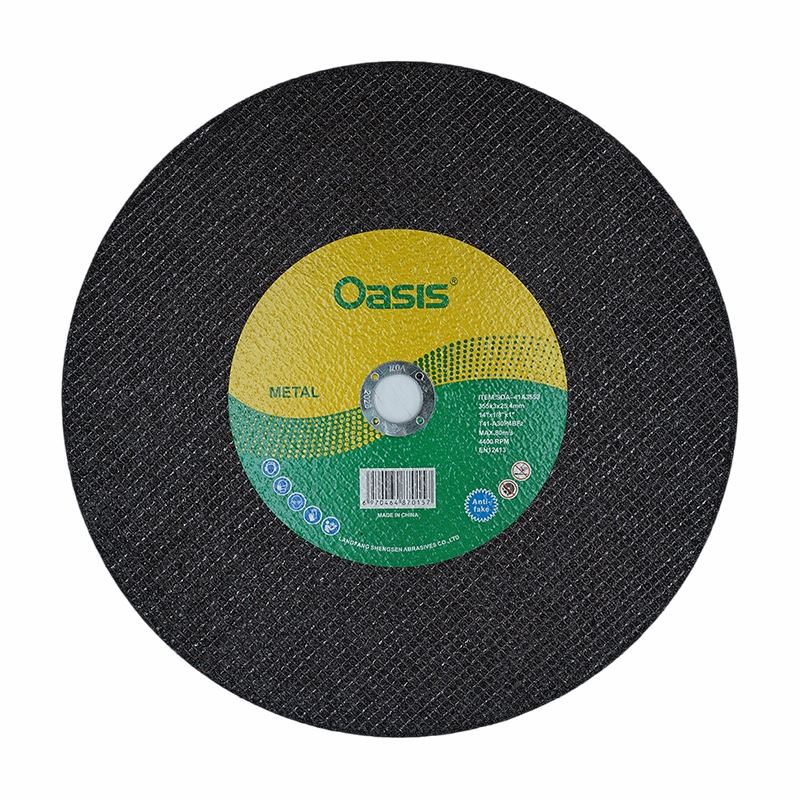

As a cutting disc supplier, I know that choosing the right abrasive type can be a bit confusing. There are so many factors to consider, like the material you're cutting, the speed of the cutting operation, and your budget. That's why we're here to help. Whether you're a DIY enthusiast or a professional contractor, we can offer you expert advice on which cutting disc with the right abrasive type is best for your specific needs.
If you're interested in learning more about our cutting discs or have any questions about the abrasive types, feel free to reach out to us. We're always happy to have a chat and discuss your requirements. Whether you need a diamond cutting disc for a high - end project or a more budget - friendly aluminum oxide disc for general use, we've got you covered. Let's start a conversation and find the perfect cutting disc for you!
References:
- "Handbook of Abrasive Technology" by Peter K. Wright
- "Cutting Tool Engineering" magazine articles on abrasive materials and cutting discs