

Hey there! As a supplier of Wool Felt Wheels, I often get asked about the texture of these amazing tools. So, I thought I'd take a moment to break it down for you and share some insights from my experience in the industry.
First off, let's talk about what a Wool Felt Wheel actually is. It's a type of polishing wheel made from wool fibers that are compressed and shaped into a wheel. These wheels are widely used in various industries, including jewelry making, metalworking, and woodworking, for polishing and buffing surfaces to a high shine.
Now, onto the texture. The texture of a Wool Felt Wheel is quite unique and plays a crucial role in its performance. At a glance, it looks like a soft, fluffy wheel, but there's more to it than meets the eye.
The surface of a Wool Felt Wheel has a slightly rough texture. This roughness is not like the coarseness of sandpaper, but rather a gentle abrasiveness that allows it to grip the polishing compound and transfer it evenly onto the surface being polished. When you run your fingers over the wheel, you can feel the individual wool fibers, which gives it a tactile and organic feel.
The density of the wool fibers also affects the texture. A higher - density Wool Felt Wheel will have a more compact and firmer texture. This type of wheel is great for heavy - duty polishing tasks where you need more pressure and durability. On the other hand, a lower - density wheel has a softer and more pliable texture. It's ideal for delicate surfaces or when you want a more gentle polishing action.
The length of the wool fibers is another factor. Longer fibers can create a more "fluffy" texture on the surface of the wheel. These longer fibers can hold more polishing compound, which means you can polish for longer periods without having to re - apply the compound. Shorter fibers, however, offer a more consistent and uniform polishing surface, which is beneficial for achieving a smooth and even finish.
The natural properties of wool contribute to the unique texture of the Wool Felt Wheel. Wool is a resilient and flexible material. It can withstand high temperatures generated during the polishing process without losing its shape or texture. This resilience allows the wheel to maintain its effectiveness over multiple uses.
When it comes to using a Wool Felt Wheel, the texture interacts with the polishing compound in a very interesting way. The rough texture of the wheel acts like a sponge, soaking up the polishing compound and holding it in place. As the wheel rotates against the surface being polished, the compound is gradually released, creating a smooth and consistent polishing action.
Let's take a look at some of the different types of Wool Felt Wheels available and how their textures suit different applications.
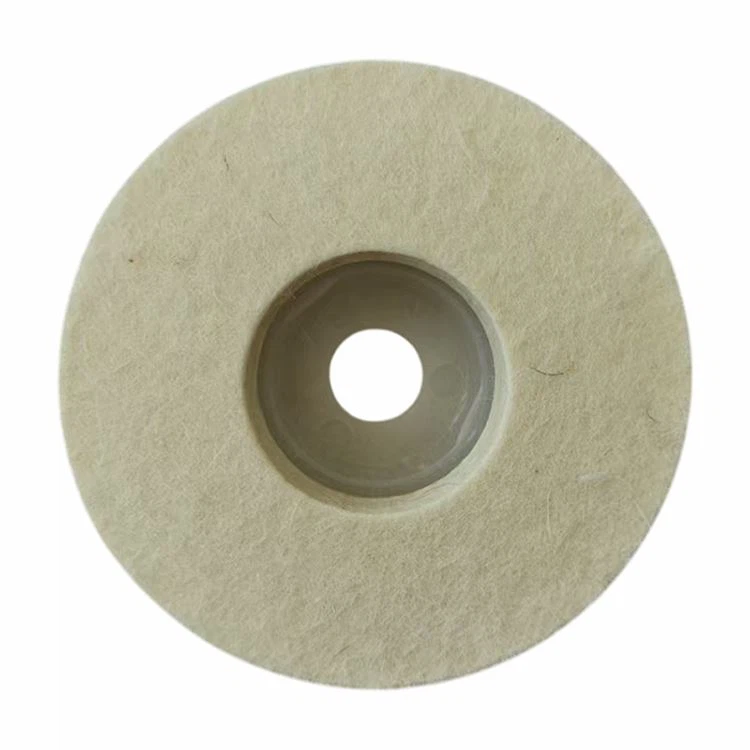

The Premium Wool Polishing Wheel is a top - of - the - line option. It has a very fine and consistent texture, which makes it perfect for high - end jewelry and precision metal parts. The fine texture ensures that there are no scratches or marks left on the surface, resulting in a mirror - like finish.
The Wool Felt Wheel is a more general - purpose option. It has a medium - density texture that can handle a wide range of polishing tasks. Whether you're working on wood, plastic, or metal, this wheel can get the job done.
The Pure Wool Polishing Pad has a softer and more flexible texture compared to the wheels. It's great for polishing curved or irregular surfaces, as it can conform to the shape of the object easily.
In my experience, understanding the texture of a Wool Felt Wheel is key to getting the best results from your polishing projects. If you're working on a small, detailed piece of jewelry, you'll want a wheel with a fine texture to avoid any damage. For larger metal surfaces, a coarser - textured wheel might be more appropriate to speed up the polishing process.
Another aspect to consider is the maintenance of the texture. Over time, the texture of the Wool Felt Wheel can change due to wear and tear. To keep it in good condition, you can clean the wheel regularly. A simple method is to use a soft brush to remove any built - up polishing compound and debris. This will help to restore the original texture and ensure that the wheel continues to perform at its best.
If you're in the market for a Wool Felt Wheel, I encourage you to think about the texture that will suit your specific needs. Whether you're a professional jeweler, a hobbyist woodworker, or someone in the metalworking industry, there's a Wool Felt Wheel out there with the perfect texture for you.
So, if you're interested in purchasing Wool Felt Wheels, feel free to reach out. We have a wide range of options available, and our team can help you choose the right wheel based on your requirements. Whether it's about the texture, size, or type of wool, we're here to assist you in making the best decision for your polishing projects.
References
- General knowledge from years of experience in the Wool Felt Wheel supply industry.
- Industry - specific literature on polishing tools and materials.