

Hey there! As a supplier of alloy cutting wheels, I often get asked about the thickness of a typical alloy cutting wheel. So, I thought I'd write this blog to share some insights on this topic.
First off, let's understand why the thickness of an alloy cutting wheel matters. The thickness affects how the wheel performs in different cutting applications. A thinner wheel is generally more suitable for precision cutting, while a thicker one might be better for heavy - duty tasks.
The thickness of a typical alloy cutting wheel can vary quite a bit depending on its intended use. For general - purpose cutting, you'll often find alloy cutting wheels with thicknesses ranging from 1.0 mm to 3.2 mm. These are the kinds of wheels that are used in a wide variety of metal - cutting jobs, like cutting pipes, rods, and sheets.
If you're into more precision work, say, cutting small parts or doing detailed metalwork, you'd want a thinner wheel. Wheels with a thickness of around 1.0 mm to 1.6 mm are great for this. They can make cleaner, more accurate cuts because they have less material in contact with the workpiece. This reduces the amount of heat generated during cutting, which in turn minimizes the risk of warping the metal.
On the other hand, for heavy - duty applications such as cutting thick metal plates or large structural components, thicker wheels are the way to go. Wheels with a thickness of 2.0 mm to 3.2 mm are commonly used here. The extra thickness gives the wheel more strength and durability, allowing it to withstand the high forces and pressures involved in cutting thick materials.
Now, let's talk about some specific types of alloy cutting wheels and their typical thicknesses.
Universal Cutting Disc
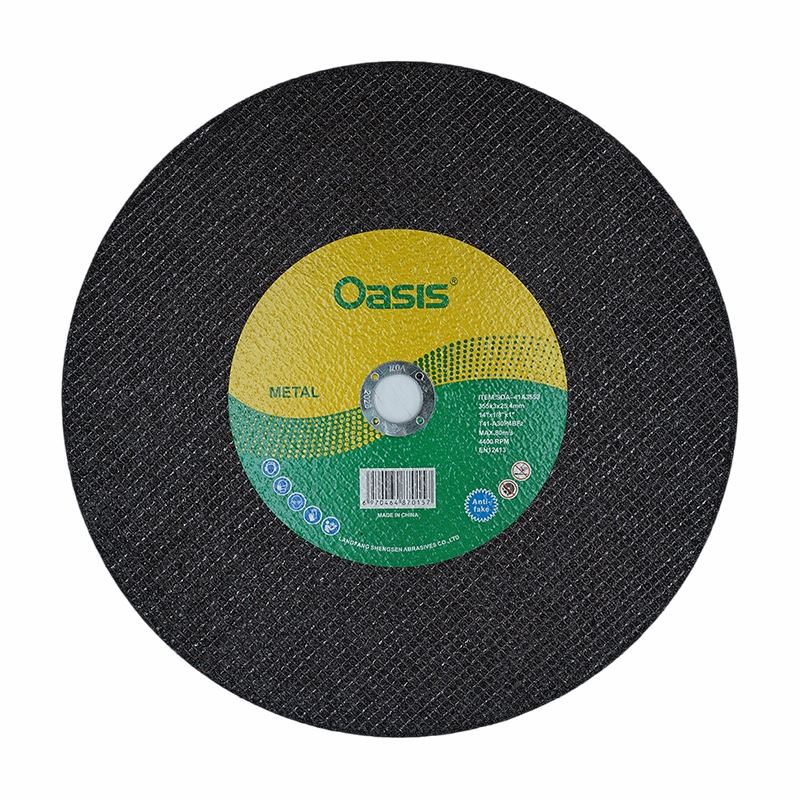
The Universal Cutting Disc is a real all - rounder. It's designed to handle a wide range of cutting tasks on different types of metals. These discs usually come in thicknesses between 1.2 mm and 2.5 mm. The 1.2 mm version is great for quick, light - duty cuts on thinner metals, while the 2.5 mm one can take on more substantial cutting jobs.
Rail Cutting Disc
When it comes to cutting rails, you need a wheel that can handle the tough and dense material. The Rail Cutting Disc is specifically engineered for this purpose. These discs typically have a thickness of 2.5 mm to 3.2 mm. The thicker construction ensures that the wheel can cut through the hard rail steel without wearing out too quickly.
Diamond Cutting Disc
The Diamond Cutting Disc is a bit of a special case. These discs are used for cutting extremely hard materials like concrete, stone, and some very hard metals. They usually have a thickness of 1.8 mm to 3.0 mm. The diamond - impregnated edge does most of the cutting work, and the thickness is designed to provide stability and support during the cutting process.
There are also other factors that can influence the choice of thickness apart from the application. The diameter of the cutting wheel is one such factor. Generally, larger - diameter wheels can have a slightly thicker profile as they need to maintain their structural integrity during high - speed rotation.
The speed at which the cutting wheel rotates also plays a role. Faster - rotating wheels might require a certain thickness to prevent excessive vibration and wobbling, which can lead to an uneven cut and even damage to the wheel or the workpiece.
Another thing to consider is the quality of the alloy used in the cutting wheel. Higher - quality alloys can sometimes allow for thinner wheels to be used while still maintaining good cutting performance and durability. This is because better alloys are more resistant to wear and heat.
When you're choosing an alloy cutting wheel, it's not just about the thickness. You also need to think about the abrasive material, the bond strength, and the overall quality of the wheel. A well - made wheel with the right thickness for your job will not only give you a better cut but also last longer, saving you money in the long run.
If you're in the market for alloy cutting wheels, whether it's a Universal Cutting Disc, a Rail Cutting Disc, or a Diamond Cutting Disc, I'd love to help. I've got a wide range of high - quality cutting wheels to suit all your needs. Whether you're a professional metalworker or a DIY enthusiast, I can provide you with the right product for the job.
If you have any questions about which thickness is best for your specific application, or if you want to discuss your cutting needs in more detail, feel free to reach out. We can have a chat and figure out the perfect alloy cutting wheel for you.
In conclusion, the thickness of a typical alloy cutting wheel depends on the application, the diameter of the wheel, the rotation speed, and the quality of the alloy. By understanding these factors, you can make an informed decision when purchasing a cutting wheel. So, don't hesitate to contact me for all your alloy cutting wheel needs. Let's get the right wheel for your project and make those cuts clean and efficient!
References

- Metal Cutting Handbook: A Guide to Cutting Tools and Techniques
- Industrial Cutting Wheels: Performance and Applications Research Report